Woman Delivers Baby On Bus In Assam, Driver, Passengers Help
Source Entity
NDTV News Search Records Found 1000
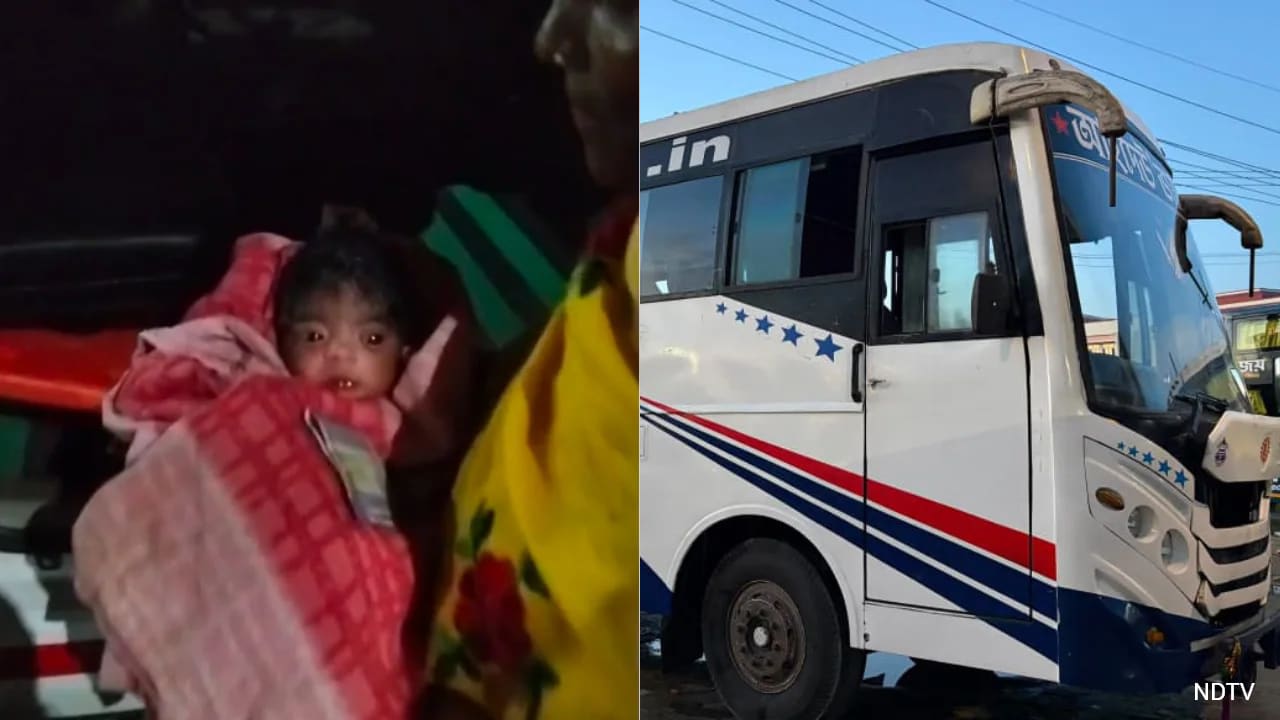
A woman successfully delivered a baby on a bus in Assam after passengers and the driver stepped in to assist. The emergency birth occurred before medical help could arrive at the scene.
An Extraordinary Commute: Emergency Childbirth on an Assam Bus
In a remarkable display of community spirit and quick thinking, a woman successfully gave birth to a child while traveling on a public bus in Assam. The event unfolded rapidly, forcing fellow passengers and the vehicle's driver to transition from commuters to emergency responders. This incident highlights the unpredictable nature of medical emergencies in transit and the vital role that bystanders play in immediate crisis management.
The Criticality of Bystander Intervention
According to reports, the delivery occurred before a summoned ambulance could reach the location. In such high-pressure scenarios, the window between the onset of labor and delivery can be incredibly narrow. The intervention by the driver and passengers served as a necessary stopgap, ensuring both the mother and the newborn were managed with care in an environment not designed for medical procedures. This spontaneous cooperation underscores the innate human instinct to assist during life-altering moments.
Challenges of Rural Transit and Medical Accessibility
While the outcome was positive, the incident sheds light on the broader logistical challenges regarding emergency medical services in remote or transit-heavy regions of Assam. The fact that the birth preceded the arrival of an ambulance suggests potential gaps in response times or the inherent difficulties of navigating traffic and geography during sudden medical crises. Reliable, rapid-response infrastructure remains a critical goal for regional health authorities to ensure that such emergencies do not rely solely on the heroism of strangers.
The Human Element in Public Infrastructure
Public transportation systems are often viewed through a lens of efficiency and scheduling, yet they are inherently human-centric spaces. This event serves as a reminder that bus drivers and transit staff are often the first points of contact during public emergencies. Their willingness to deviate from their primary duties to facilitate a safe delivery speaks to the importance of basic first-aid and emergency training for transit employees, which could prove invaluable in similar future situations.
Future Implications and Safety Protocols
Moving forward, transport authorities might consider the necessity of equipping public vehicles with basic emergency kits or providing drivers with specialized training to handle unexpected medical events. While such births remain rare, the psychological and physical impact on the mother and child necessitates a standardized approach to transit safety. Ensuring that drivers have direct lines to priority medical dispatch could further mitigate the risks associated with roadside births.
A Testament to Community Resilience
Ultimately, this story is a testament to the resilience and cooperative nature of the public. By stepping up to support a fellow traveler in need, the individuals on that bus transformed a potentially dangerous situation into a successful, life-affirming event. As communities continue to navigate the complexities of modern transit, the spirit of collective care demonstrated in Assam remains a vital component of public safety and social cohesion.
Verification Required?