Woman shot in forehead by high court advocate during eviction drive in Chandigarh
Source Entity
TNN
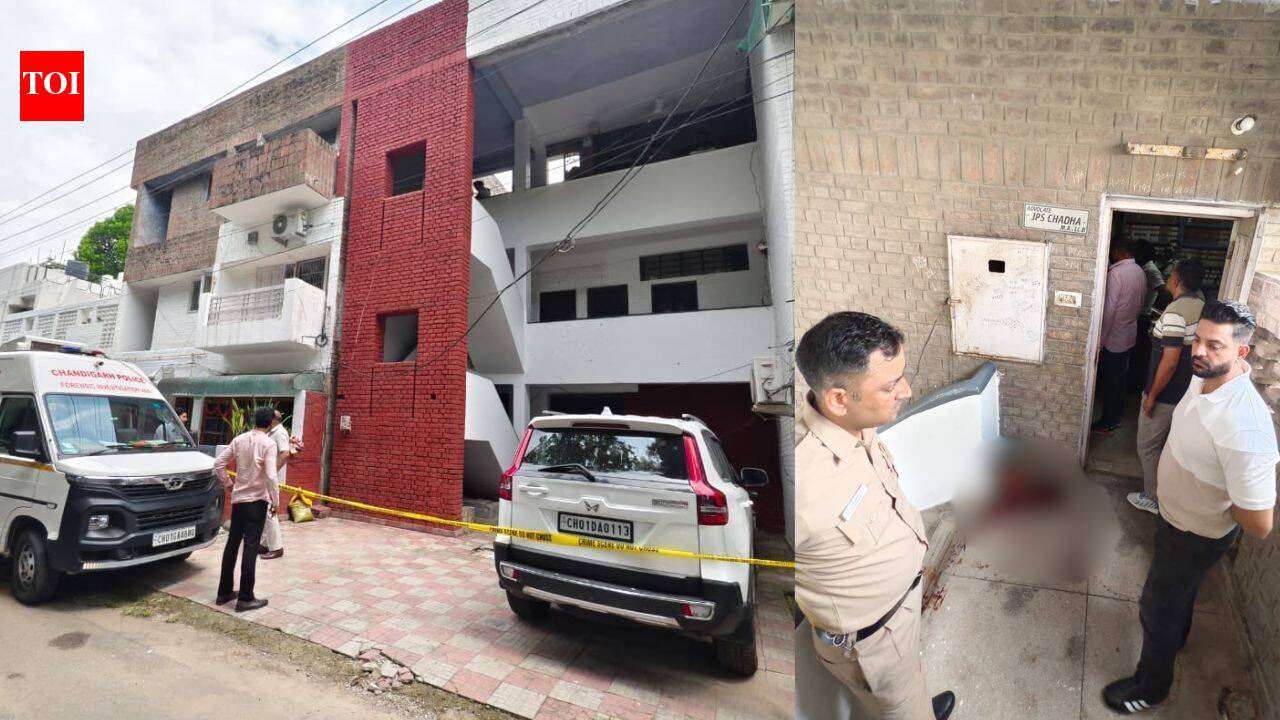
A 57-year-old woman, Manvinder Kaur, was critically injured after being shot in the forehead by a high court advocate during a court-ordered eviction in Chandigarh. The suspect, JPS Chadda, has been arrested as authorities conduct forensic investigations at the scene.
Violent Confrontation During Chandigarh Eviction Drive
A disturbing incident of violence erupted in Sector 42, Chandigarh, on Saturday, when a court-sanctioned eviction proceeding turned into a life-threatening altercation. Manvinder Kaur, a 57-year-old woman, was shot in the forehead during an attempt to vacate a property occupied by Punjab and Haryana High Court advocate JPS Chadda. The victim, who was present alongside police and a court official, remains in critical condition following the shooting.
The Sequence of Events
According to reports, the eviction process was supported by both legal authorization and police protection, highlighting the gravity of the situation. As the team reached the second floor of the residence, a verbal dispute reportedly escalated rapidly. In a shocking act of violence, the advocate allegedly discharged a firearm, striking Kaur directly in the head. The sudden transition from a formal legal procedure to a criminal act of violence underscores the volatility often inherent in property disputes.
Legal and Forensic Implications
Following the shooting, local police and Central Forensic Science Laboratory (CFSL) teams were dispatched to the scene to secure evidence and reconstruct the event. The arrest of the advocate, JPS Chadda, marks a critical step in the ongoing investigation. The involvement of a legal professional in such a violent act raises significant concerns regarding the rule of law and the safety of court-appointed officials during sensitive enforcement drives.
Broader Socio-Legal Context
Eviction proceedings in India are frequently fraught with tension, often leading to protracted legal battles and, in rare instances, physical confrontation. This event serves as a stark reminder of the risks faced by property owners and legal representatives when enforcing court orders. The fact that the occupant was a high-court advocate adds a layer of complexity to the case, as the legal community is expected to uphold the sanctity of court mandates rather than subvert them through violence.
Future Trends and Security Measures
This tragedy is likely to prompt a review of the security protocols used during eviction drives in Chandigarh and beyond. Authorities may look to increase the presence of armed police during such operations to prevent similar escalations. Furthermore, the incident underscores the urgent need for mediation or more robust conflict resolution strategies to handle property disputes before they reach a point of physical intervention.
Conclusion
As the investigation continues, the focus remains on the medical recovery of Manvinder Kaur and the subsequent judicial process for the accused. This incident highlights the fragility of civil processes and the potential for explosive violence in property-related conflicts, serving as a solemn warning to law enforcement and legal practitioners alike.