Forget 5-star: World's most unbelievable hotels are inside a plane, a crane and ice
Source Entity
Latest News: Todays Latest News Headlines from India & World | Hindustan Times | Hindustan Times
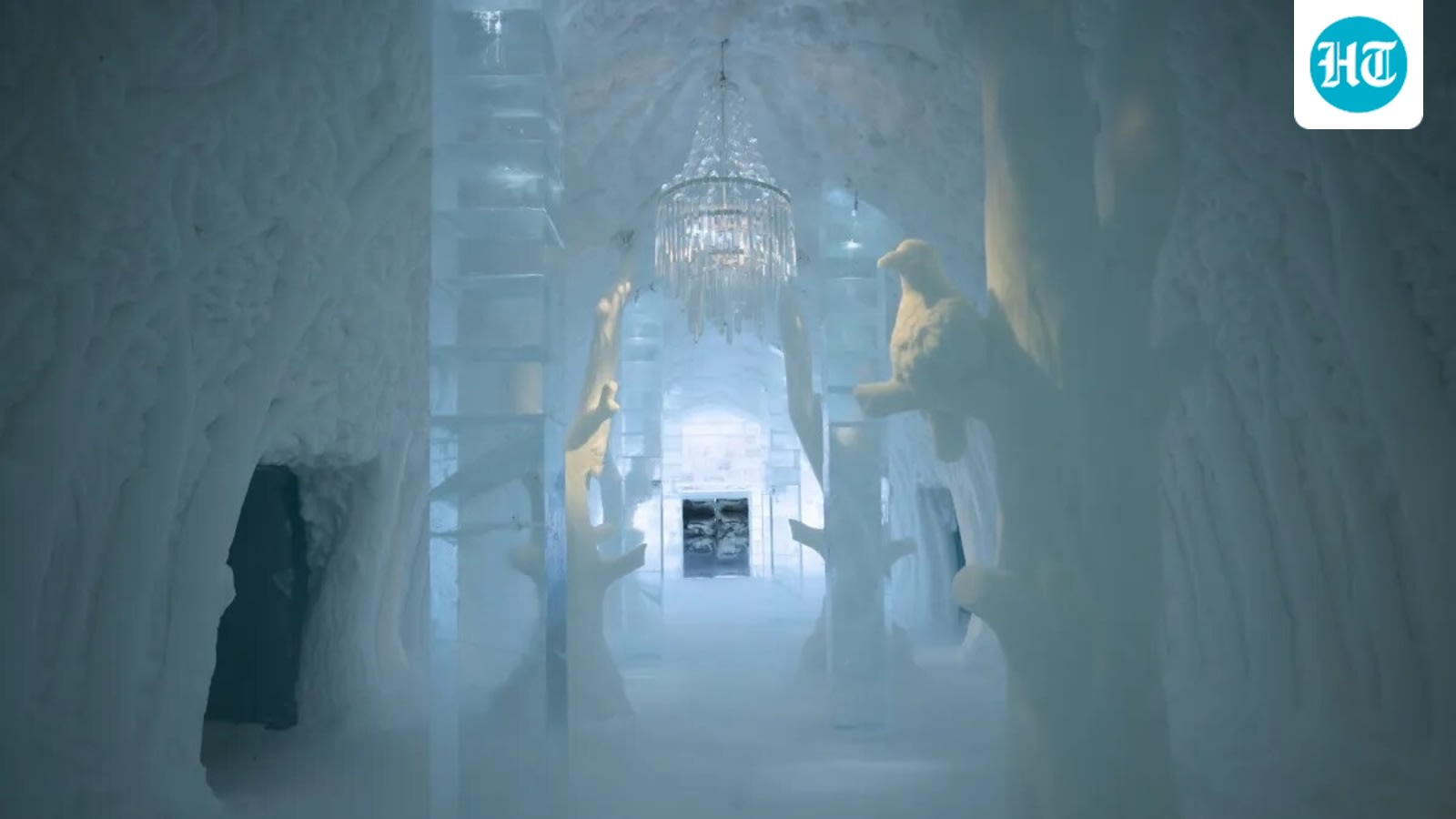
The luxury travel industry is evolving, with unique, non-traditional accommodations like converted planes, cranes, and seasonal ice structures gaining popularity. These unconventional stays represent a shift in tourism toward experiential and immersive travel.
The Rise of Experiential Hospitality
The traditional definition of luxury, once anchored firmly in the reliability of 5-star hotel chains and standardized amenities, is currently undergoing a radical transformation. As travelers increasingly prioritize unique, Instagram-worthy, and deeply immersive experiences over predictable comfort, the hospitality industry has responded by repurposing unconventional infrastructure. From retired aircraft to industrial machinery, these stays are no longer just novelties; they are becoming central to a new niche in the global travel market.
Architectural Innovation and Seasonal Art
One of the most profound examples of this trend is Sweden’s Icehotel. Unlike permanent structures, the Icehotel is an architectural feat that must be conceptualized, designed, and physically rebuilt from ice and snow every single winter. This ephemeral nature adds an inherent exclusivity to the guest experience, as the hotel essentially ceases to exist in its current form once spring arrives. This cycle of destruction and creation reflects a broader shift toward 'slow' and 'temporary' tourism, where the value lies in the fleeting beauty of the environment.
Industrial Repurposing as Luxury
Beyond natural materials, there is a growing fascination with industrial adaptive reuse. The conversion of decommissioned Boeing aircraft into luxury suites and the transformation of dormant industrial cranes into boutique accommodations highlight a creative approach to sustainability and urban revitalization. By stripping away the sterile aesthetic of modern hotels, these properties offer guests a sense of place that is deeply rooted in the history of the object itself, providing a narrative-driven stay that standard hotel rooms cannot replicate.
The Psychology of Unconventional Stays
Why do travelers seek out a crane or a plane over a high-rise suite? The answer lies in the psychological desire for 'transcendence.' Modern travelers are often looking to escape the mundane constraints of their daily lives. By staying in a structure that was never intended for human habitation, guests engage in a form of 'playful survival.' This disconnect from the ordinary creates a lasting memory, which has become the primary commodity in the modern travel economy.
Economic and Future Implications
From a business perspective, these unique properties often yield higher engagement rates on social media, functioning as their own marketing engines. While the operational costs of maintaining a seasonal ice structure or a retrofitted plane are significantly higher than traditional properties, the unique selling proposition allows for premium pricing. As we look toward the future, we can expect to see more 'extreme' hospitality ventures that push the boundaries of what constitutes a hotel, likely incorporating more immersive technology and hyper-local sustainability practices.
Conclusion: The Future of Travel
The trend toward unbelievable, non-traditional hotels signifies a departure from the mass-produced tourism model of the 20th century. As Sanya Panwar’s reporting suggests, the intersection of aesthetics and substance is where the future of travel resides. Whether it is sleeping in a crane or beneath a canopy of ice, the modern traveler is clearly signaling that they value the story behind the stay just as much as the comfort it provides.
Verification Required?