Y Combinator's PAC is throwing money at Republicans across the country
Source Entity
Hacker News
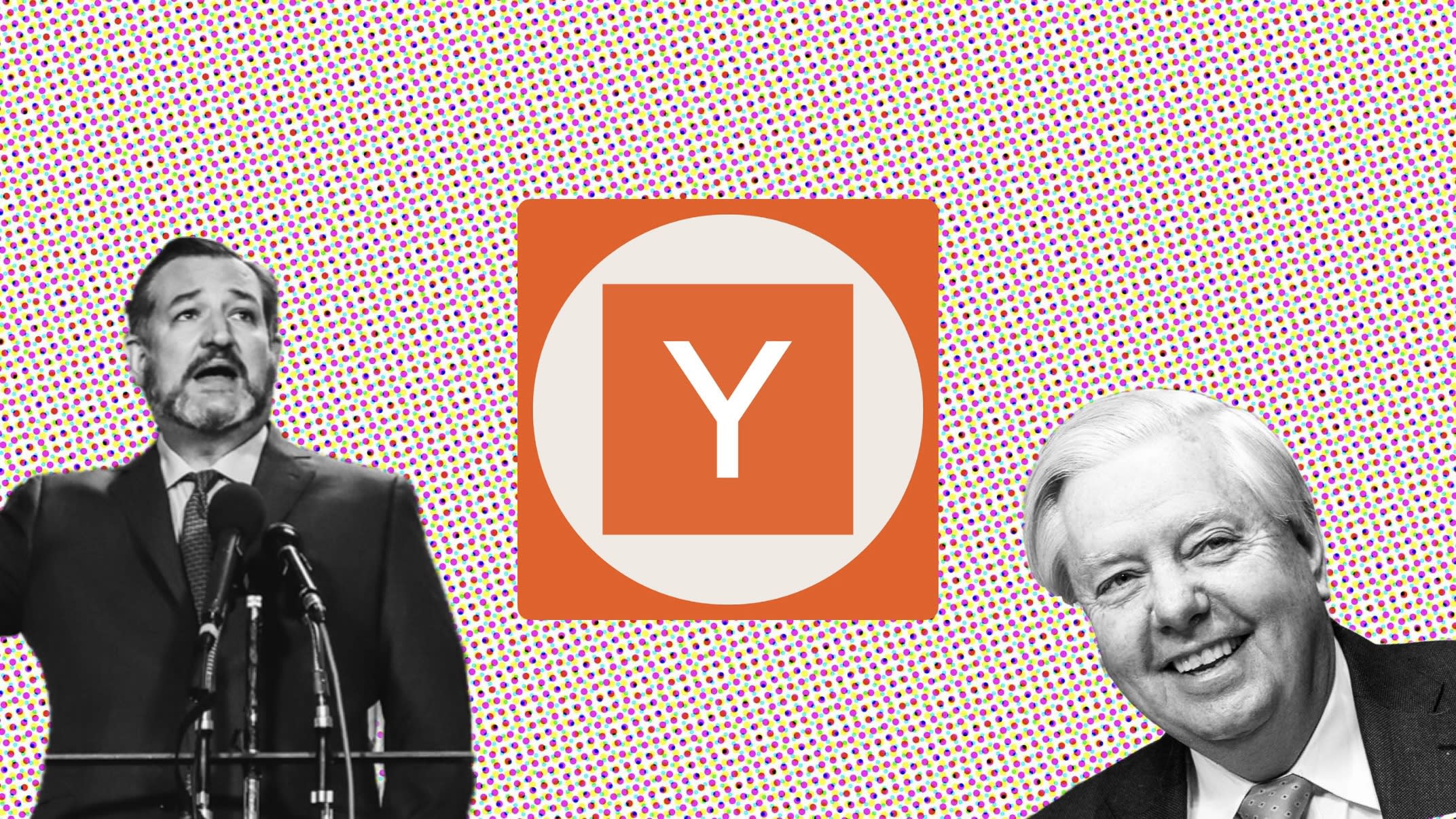
Y Combinator's newly formed 'Little Tech PAC' has begun distributing funds to a diverse range of federal candidates ahead of the 2026 election cycle. The committee, funded primarily by YC insiders, aims to influence legislative outcomes by supporting both progressive Democrats and conservative Republicans.
The Rise of the Little Tech PAC
The landscape of Silicon Valley political engagement has shifted significantly with the formation of the Y Combinator Management LLC Political Committee, colloquially known as the 'Little Tech PAC.' Registered on December 15, 2025, this entity marks a strategic pivot for one of the world's most influential startup incubators. By entering the federal political arena, Y Combinator is signaling that its leadership no longer intends to remain on the sidelines of the legislative processes that govern the technology sector.
Strategic Financial Allocation
The PAC has already demonstrated a pragmatic, albeit ideologically broad, approach to campaign finance. With $200,000 raised through 40 contributions—primarily from YC employees and executives—the organization has distributed $117,647 across 66 different federal campaigns. This financial footprint covers a wide spectrum of the political aisle, reflecting an attempt to cultivate influence regardless of which party holds the majority in Congress.
Bridging the Ideological Divide
What makes the Little Tech PAC particularly notable is the diversity of its beneficiaries. The committee has supported progressive figures such as Rep. Lateefah Simon and Rep. Pramila Jayapal, while simultaneously directing funds toward staunch conservatives like Sen. Ted Cruz and Sen. Josh Hawley. This ‘all-of-the-above’ strategy suggests that Y Combinator is prioritizing specific policy interests—such as deregulation, tax incentives, or startup-friendly legislation—over strict adherence to a single party’s platform.
Implications for Tech Lobbying
This development reflects a broader trend of ‘technological nationalism’ and the increasing necessity for tech firms to engage in direct lobbying to survive an era of heightened antitrust scrutiny. By backing both Republicans and Democrats, the PAC is positioning itself as a power broker that can navigate the polarized environment of Washington D.C. It is an effort to ensure that the startup ecosystem has a seat at the table, regardless of the political climate in the 2026 election cycle.
Historical Context and Future Trends
Historically, incubators like Y Combinator have focused on nurturing early-stage ventures through mentorship and capital. Moving into the PAC space suggests that the incubator’s leadership believes the biggest threats to their portfolio companies now originate from legislative halls rather than market competition. Looking ahead, we can expect to see more tech-centric PACs mirroring this model, as the industry seeks to protect its interests against potential regulatory overreach in areas like artificial intelligence and labor laws.
Conclusion
The emergence of the Little Tech PAC represents a maturation of Silicon Valley's political strategy. By leveraging the collective resources of its leadership to influence the 2026 election, Y Combinator is attempting to shape the regulatory future of the tech industry. Whether this bipartisan funding strategy will lead to tangible legislative gains remains to be seen, but it undoubtedly establishes Y Combinator as a significant new force in American campaign finance.