It rained the day after he died. For a farmer family in Yavatmal, it was too late, again
Source Entity
Ankita Deshkar
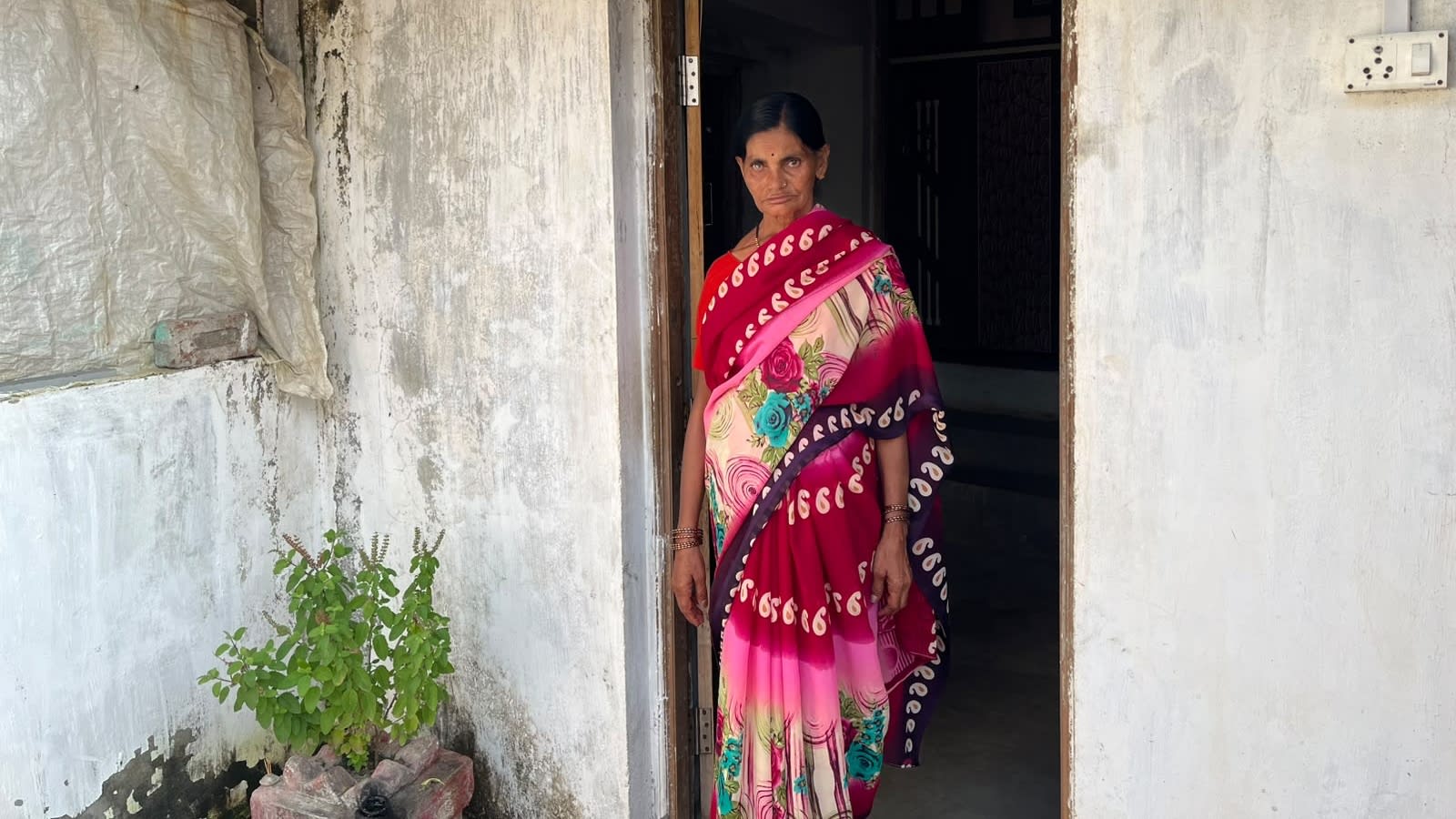
The Malekar family in Yavatmal, Maharashtra, has faced three tragic suicides within five years due to mounting farm distress. These personal losses unfold against a backdrop of severe regional drought, highlighting the systemic vulnerability of farmers to climate instability.
The Human Cost of Agrarian Crisis in Yavatmal
The story of Nima Dnyaneshwar Malekar, a resident of Pimplapur village in Yavatmal’s Ralegaon, serves as a harrowing microcosm of the systemic agrarian distress plaguing rural Maharashtra. Within a span of just five years, Nima has lost her entire immediate family to suspected suicide: her elder son Nikhil in 2021, her younger son Tapaveen in October 2024, and finally her husband Dnyaneshwar in July 2025. This sequence of tragedies, occurring in a household that seemingly adhered to the traditional values of hard work and toil, underscores the profound psychological and economic collapse that can occur when agricultural livelihoods fail.
The Intersection of Personal Tragedy and Environmental Decay
The backdrop of these deaths is a landscape defined by brown, dry earth, where the greenness of a single Tulsi plant stands in stark contrast to the surrounding desolation. Nima’s inability to focus on her surroundings mirrors the numbness often associated with chronic grief. The recurring nature of these suicides suggests that the family’s struggle was not an isolated incident but a prolonged battle against environmental and economic pressures that left them feeling that there was "nothing left."
Comparing Modern Drought to Historical Precedent
The crisis in Yavatmal is exacerbated by a broader climate narrative unfolding across Maharashtra. While authorities and observers often compare current water shortages to the historic 1972 drought—the most severe on record for the state—the context has shifted significantly. In 1972, the crisis was the culmination of three successive years of poor monsoons. Today, the fragility of the system is such that even a single weak monsoon can trigger a state of emergency, despite reservoirs having been adequately filled in preceding years.
The Paradox of Modern Vulnerability
There is a troubling irony in the current state of Maharashtra’s agriculture. Despite advancements in irrigation infrastructure and water management over the last half-century, the state remains hyper-sensitive to rainfall patterns. The fact that a single bad season can now mirror the catastrophic conditions of a multi-year drought from 50 years ago suggests that the state’s agricultural resilience has not kept pace with the increasing volatility of climate patterns.
Broader Implications for Rural Sustainability
The tragedy of the Malekar family is a sobering reminder that agricultural policy must account for more than just crop yields or water storage metrics; it must address the mental health and existential security of the farming community. When the cycle of debt and environmental failure becomes insurmountable, the resulting human cost is irreversible. As Maharashtra continues to grapple with water scarcity, the focus must shift toward mitigating the extreme vulnerability of families like the Malekars, whose lives represent the true, often unseen, data points of a regional crisis.