India can be called a developed economy if development is inclusive: V-P C P Radhakrishnan
Source Entity
The Indian Express
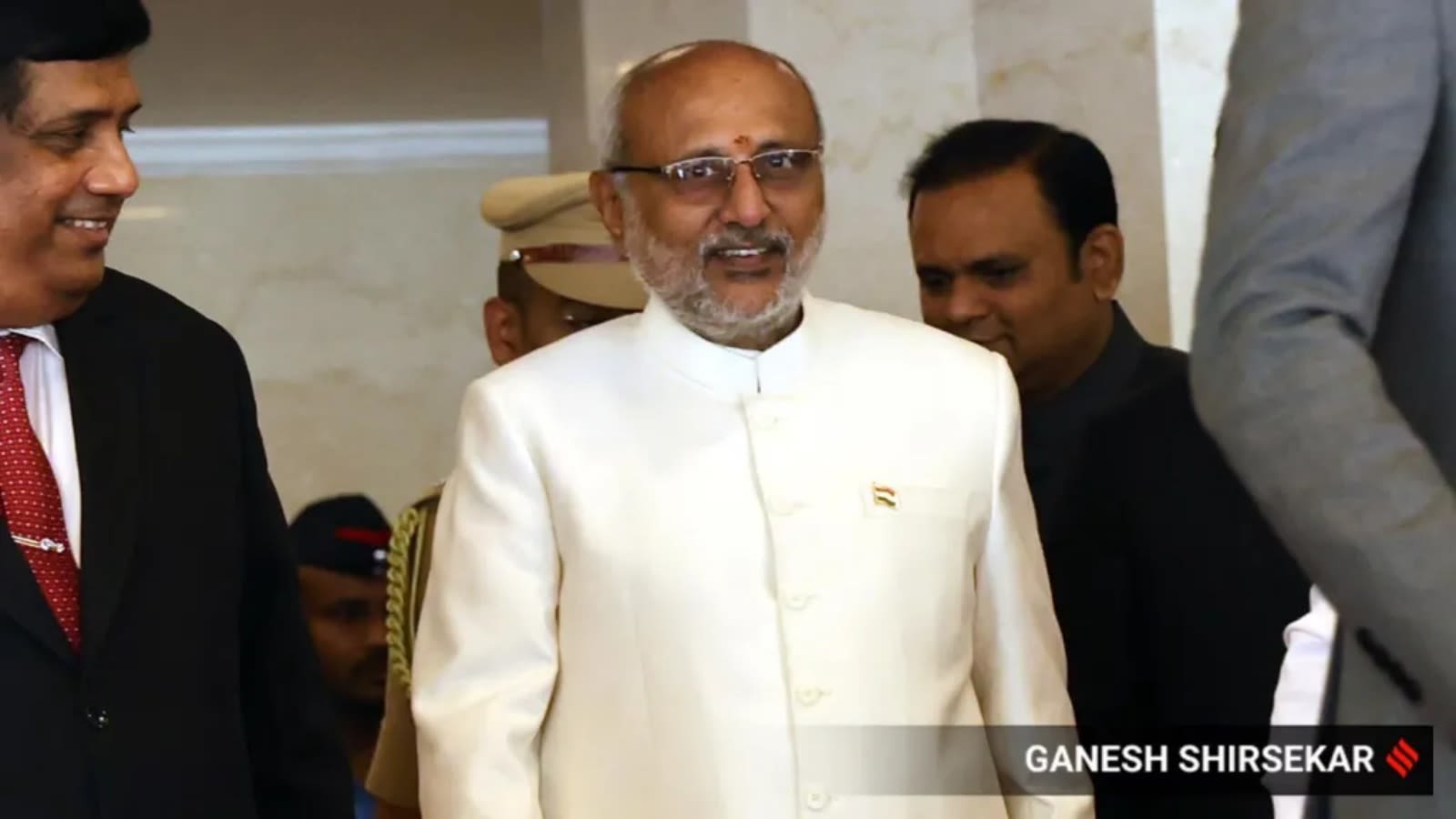
Vice-President C P Radhakrishnan asserted that India's path to becoming a developed economy relies on ensuring inclusive growth for all citizens. He highlighted key reforms like GST and Direct Benefit Transfers as foundational steps toward this equitable economic vision.
The Imperative of Inclusive Growth in India's Economic Vision
Vice-President C P Radhakrishnan recently articulated a critical vision for India's economic future, emphasizing that the label of a 'developed economy' must be contingent upon the inclusivity of its growth. Speaking at the Kautilya Economic Conclave 2026, the Vice-President argued that true national progress cannot be measured by macro-level statistics alone, but must be reflected in the prosperity of every demographic segment. This perspective shifts the narrative from sheer GDP growth toward the quality and distribution of that growth across the diverse Indian landscape.
The Role of Foundational Reforms
Central to the Vice-President's assessment is the decade-long reform agenda spearheaded by the Narendra Modi government. By highlighting initiatives such as the Jan Dhan accounts, Direct Benefit Transfer (DBT) systems, and the implementation of the Goods and Services Tax (GST), Radhakrishnan underscores the technical architecture already in place to facilitate financial inclusion. These reforms were designed to streamline governance, curb leakages, and bring the unbanked population into the formal financial fold, creating a bedrock for more equitable economic participation.
Financial Inclusion as a Catalyst
Financial inclusion serves as the primary mechanism for the government’s stated goals. The Jan Dhan scheme, in particular, has been instrumental in ensuring that millions of citizens have access to banking services, which is a prerequisite for any modern, developed economy. When combined with DBT, these tools allow the state to bypass intermediaries, ensuring that welfare reaches the intended beneficiaries directly. This digital-first approach to welfare delivery is a cornerstone of the current administration’s strategy to bridge the gap between the urban elite and the rural poor.
The Kautilya Conclave Perspective
Addressing the Kautilya Economic Conclave, Radhakrishnan’s remarks serve as a strategic roadmap for policymakers. By linking the 'developed economy' status to inclusivity, he is setting a benchmark for future fiscal and social policies. The conclave, a platform for deep economic discourse, provided the ideal setting for this call to action, encouraging experts and leaders to focus on the 'last mile' of development. The implication is clear: economic policy must be calibrated to ensure that the benefits of the nation's rising trajectory are not siloed.
Future Trends and Challenges
Looking ahead, the challenge for India lies in sustaining this momentum while addressing the nuances of a vast and varied economy. As India continues to integrate into the global market, the pressure to maintain inclusive growth will only intensify. Future trends will likely see a continued focus on digital infrastructure and entrepreneurship to ensure that the fruits of development are accessible to all. The Vice-President's address signals that the government intends to keep social equity at the forefront of its economic policy agenda as it strives to reach developed status in the coming years.