Yen climbs for third straight session with traders on alert for intervention
Source Entity
Yahoo Finance
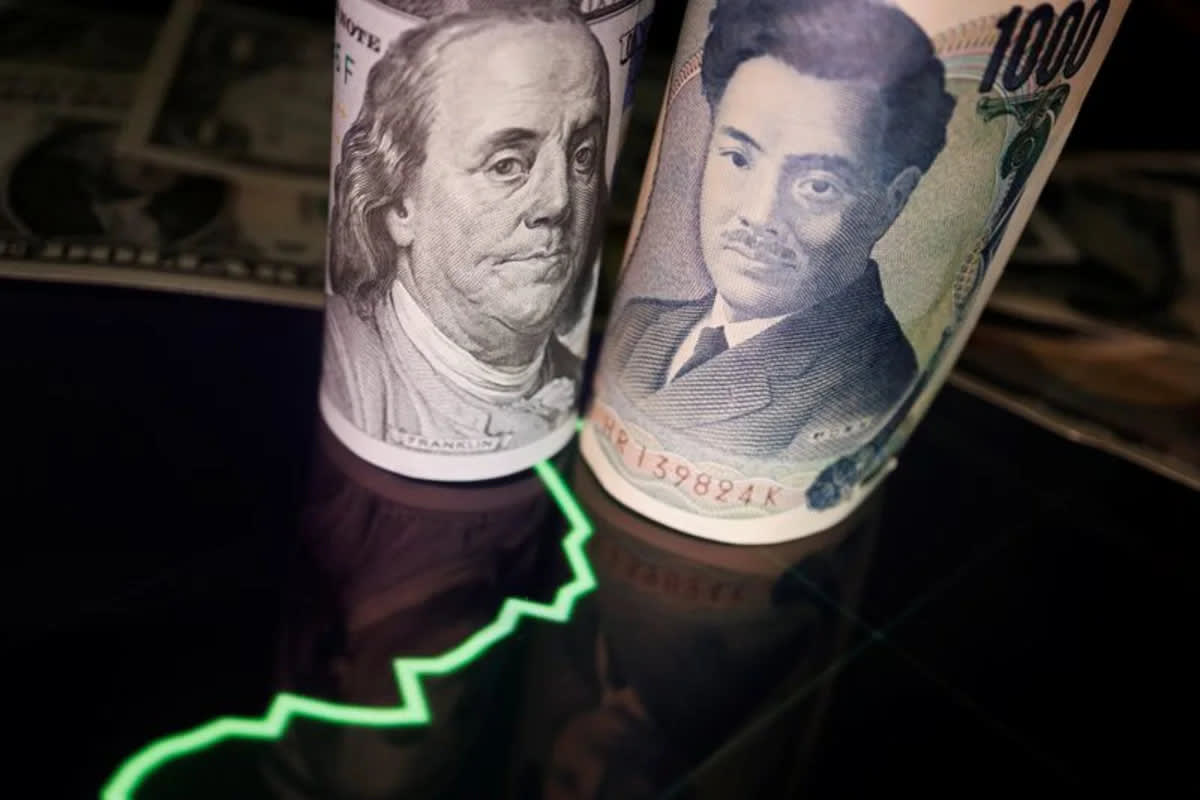
The Japanese yen has strengthened for three consecutive sessions following coordinated currency intervention by Tokyo and Washington. Meanwhile, oil prices dropped significantly after geopolitical tensions eased, impacting global economic outlooks.
The Yen's Sustained Ascent: Analyzing Market Interventions
The Japanese yen has demonstrated a notable recovery, marking its third consecutive session of gains against the U.S. dollar. This upward trajectory follows a significant period of volatility that prompted Tokyo and Washington to engage in coordinated intervention within the foreign exchange markets. Such rare joint actions underscore the gravity of the currency fluctuations and the commitment of global powers to maintain stability in the face of speculative pressure.
The Mechanics of Coordinated Intervention
The decision by Japan and the United States to step into the foreign exchange market is a strategic move designed to curb excessive volatility. By executing yen-buying operations, these nations signal to traders that they will not hesitate to defend the currency's value. This intervention serves as a deterrent to market participants betting against the yen, effectively raising the cost of speculative positions while providing a floor for the currency during periods of intense economic uncertainty.
Geopolitical Shifts and Oil Price Volatility
Simultaneously, the global energy landscape has shifted, contributing to the current market climate. Oil prices experienced a sharp decline of more than $4 per barrel, a move precipitated by President Donald Trump’s decision to refrain from immediate military action against Iran. As Iran confirmed that no active diplomatic dialogue is occurring with the United States, the reduction in immediate conflict risk has cooled the energy markets, thereby diminishing the demand for the U.S. dollar as a traditional safe-haven asset.
Economic Vulnerabilities in an Energy-Dependent World
The economic implications of these energy price fluctuations are unevenly distributed. Japan and the euro zone, as significant net importers of energy, remain highly sensitive to oil price spikes, which can exacerbate trade deficits and stifle domestic growth. Conversely, the United States occupies a more insulated position due to its domestic energy production capabilities, creating a divergent outlook for these respective economies as they navigate global shocks.
Future Trends and Market Vigilance
Looking ahead, traders remain on high alert for additional intervention measures. The commitment demonstrated by Japanese and American authorities suggests that any further destabilizing moves in the currency markets will likely be met with swift, decisive action. As markets digest the interplay between geopolitical de-escalation in the Middle East and the ongoing efforts to stabilize the yen, the focus will remain on whether these coordinated efforts can provide a sustained period of equilibrium for international trade and investment flows.