Yogi targets ‘chaacha-bhatija’, says SP-era jobs came through bribes and recommendations
Source Entity
ROHITASHWA RANJAN
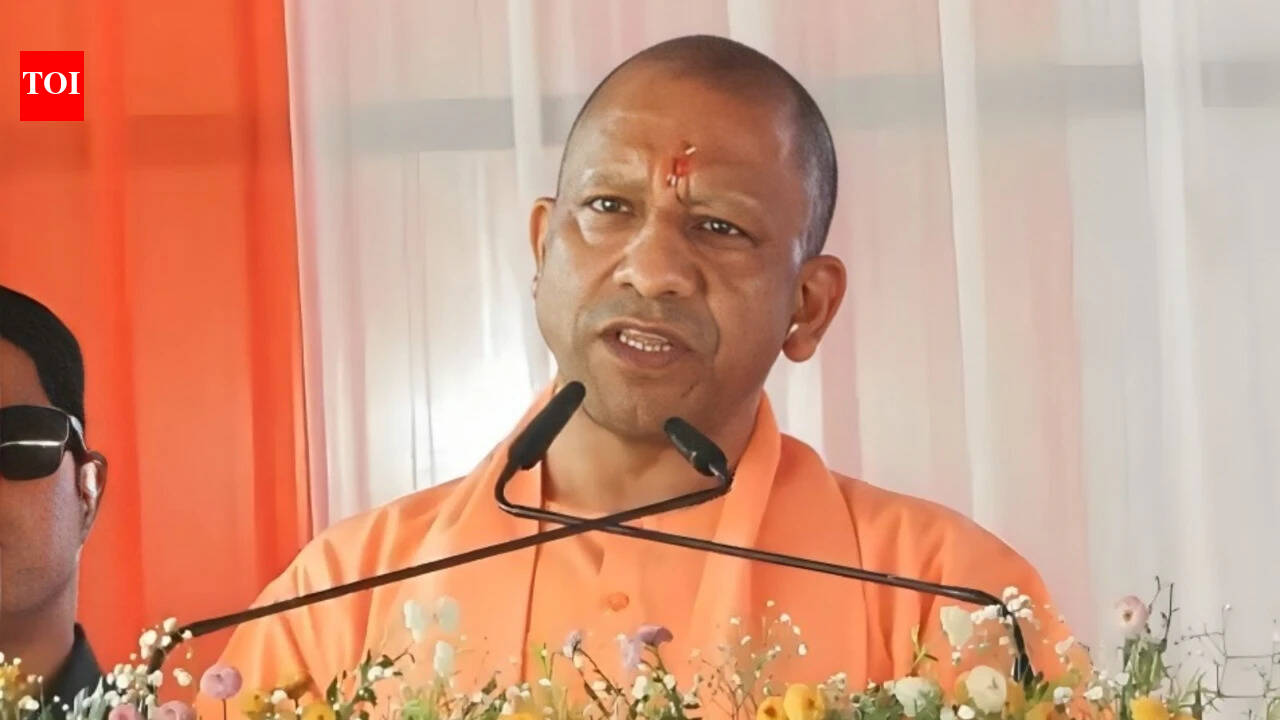
Uttar Pradesh Chief Minister Yogi Adityanath has criticized the former Samajwadi Party government, alleging that job recruitment during their tenure was marred by bribery and nepotism. He contrasted this with his administration's emphasis on merit-based hiring.
The Politics of Patronage: Analyzing Yogi Adityanath’s Critique of Previous Administrations
Uttar Pradesh Chief Minister Yogi Adityanath has launched a sharp rhetorical attack against the Samajwadi Party (SP), specifically targeting the political dynamics of 'chaacha-bhatija'—a reference to the uncle-nephew leadership structure often associated with the party. By characterizing the recruitment processes of the previous government as being fueled by bribes and personal recommendations, Adityanath is positioning his administration as a clean break from a history of institutionalized cronyism. This narrative is a cornerstone of his governance platform, which seeks to differentiate the current BJP administration from its predecessors.
The Allegation: Merit vs. Nepotism
The Chief Minister’s claims center on the assertion that public sector employment in Uttar Pradesh was historically compromised by systemic corruption. By highlighting the role of 'recommendations' and 'bribes,' Adityanath is tapping into a long-standing public grievance regarding the fairness of state-level hiring. In the context of Indian politics, such allegations serve to delegitimize the opposition by painting their past tenure not just as a policy failure, but as a moral failing that directly harmed the aspirations of the youth.
Historical Context of Recruitment Scandals
To understand the gravity of this discourse, one must look at the historical perception of recruitment in Uttar Pradesh. For decades, the state has grappled with allegations of caste-based favoritism and political interference in competitive examinations and government job allocations. By framing the SP-era as one defined by nepotism, the Chief Minister is leveraging these historical anxieties to solidify his own brand of 'merit-based' governance, which his administration claims to have implemented through digitized and transparent selection processes.
Broadening the Political Narrative
Beyond simple recruitment policy, this rhetoric serves a broader political strategy of polarization. By using the 'chaacha-bhatija' moniker, Adityanath effectively personalizes the political conflict, aiming to associate the SP with dynastic politics and inefficiency. This strategy is designed to resonate with voters who view dynastic influence as a primary obstacle to democratic equality and individual opportunity in the workforce.
Future Implications and Voter Perception
As the state looks toward future electoral cycles, this narrative of 'clean governance' vs. 'corrupt past' will likely remain a central pillar of the BJP’s campaign strategy. The ability of the current administration to maintain its image as a meritocratic force will depend largely on their success in insulating current recruitment boards from the very allegations they level against their predecessors. If the public perceives that the system has indeed become more transparent, this narrative will continue to yield political dividends; however, any lapse in this integrity will provide an opening for the opposition to reclaim the narrative.
Conclusion
In summary, Yogi Adityanath’s remarks serve as both a critique of historical administrative failures and a forward-looking political manifesto. By focusing on the mechanics of employment, he addresses the most sensitive nerves of the electorate—economic opportunity and fairness. Whether or not these claims are fully substantiated by independent audits, they remain a potent tool in the ongoing battle for the political soul of Uttar Pradesh.