This open-source project lets you sync Withings data to other apps without a subscription
Source Entity
Andrew Liszewski
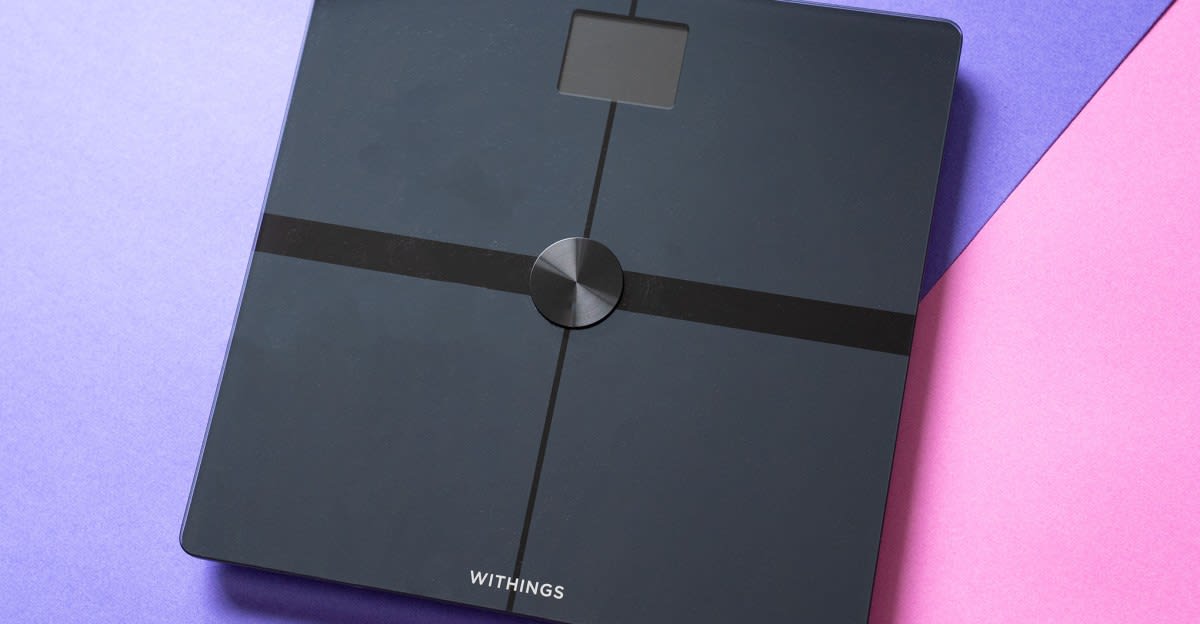
Developer Tom Anthony has launched an open-source project called YourOwnWeigh to bypass Withings' new subscription-based data syncing requirements. This tool allows users to route scale data to third-party apps for free, avoiding the company's proprietary ecosystem.
The Rise of User-Led Data Sovereignty
The recent announcement that Withings would mandate a 'Withings Plus' subscription for users to sync their health device data with third-party applications has sparked a significant backlash within the quantified-self community. For many, the ability to integrate hardware data into preferred third-party dashboards is not merely a convenience, but a fundamental expectation of ownership. When this interoperability was placed behind a paywall, it effectively shifted the product's value proposition, leading to friction between the manufacturer and its long-term user base.
The Catalyst: Addressing 'Bloated' Ecosystems
Tom Anthony, a veteran tech reporter, identified the core issue not just as a financial barrier, but as a result of a user experience he characterized as a 'bloated mess.' By describing the official Withings mobile application in these terms, Anthony highlighted a growing trend in the Internet of Things (IoT) industry: the tendency for manufacturers to bundle essential hardware functionality into complex, ad-heavy, or subscription-gated software environments. This frustration became the primary motivation for the creation of YourOwnWeigh.
Technical Autonomy via YourOwnWeigh
YourOwnWeigh functions as a bridge that reroutes health data away from Withings’ proprietary servers. By intercepting the data stream at the source, the project enables users to wirelessly sync their metrics to independent platforms or personal databases without needing a subscription. This open-source approach represents a shift toward local, user-controlled data management, effectively stripping away the gatekeeping mechanisms imposed by the original manufacturer.
Implications for the IoT Industry
The emergence of projects like YourOwnWeigh serves as a warning to hardware manufacturers that rely on restrictive software ecosystems. When companies attempt to monetize basic interoperability, they often inadvertently incentivize the open-source community to find workarounds. This 'cat-and-mouse' game between manufacturers and users is becoming a defining feature of the modern smart-home and health-tech landscape, where the right to repair—and the right to own one's data—is increasingly being asserted through code.
Future Trends in Data Interoperability
Looking forward, we can expect to see more developers creating similar 'middleware' solutions as long as tech companies continue to prioritize subscription revenue over seamless integration. For consumers, this reinforces the importance of platforms that support open standards. Projects hosted on GitHub, such as YourOwnWeigh, provide a blueprint for how users can reclaim control over the devices they have already purchased, ensuring that their health data remains accessible, regardless of corporate pivot strategies.
Summary
Ultimately, the YourOwnWeigh project is more than just a software utility; it is a manifestation of the demand for data portability. By circumventing the Withings Plus subscription requirement, Tom Anthony has provided a sustainable path for users to maintain their health data workflows. As the industry evolves, the success of such projects underscores a critical lesson: users will gravitate toward solutions that respect their autonomy and data ownership above all else.