Why these youngsters have given up bursting crackers
Source Entity
The Indian Express
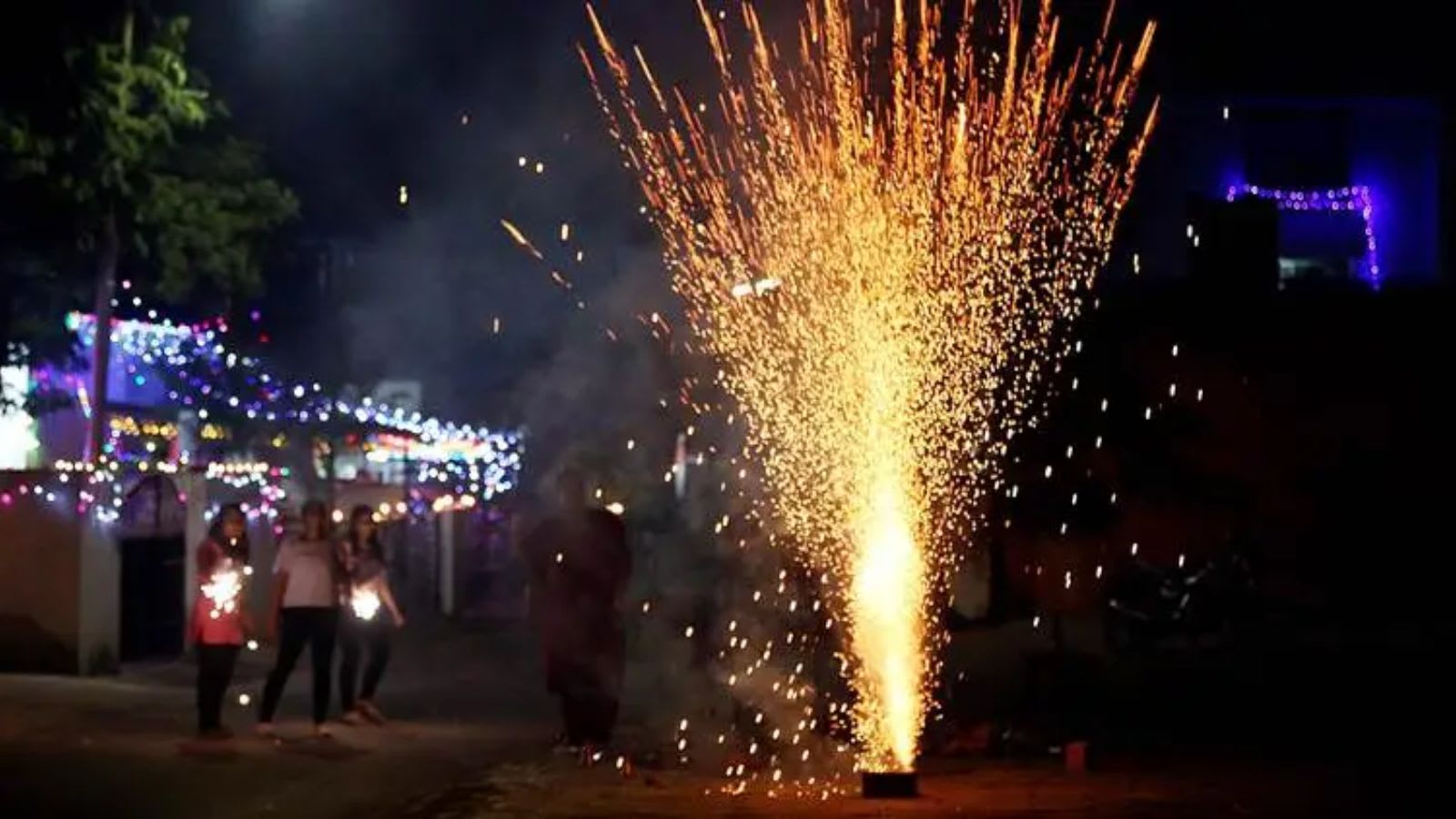
A growing number of Indian youth are shifting away from bursting firecrackers during Diwali due to environmental concerns and safety risks. This cultural shift reflects a broader trend toward mindful celebration and sustainability among the younger generation.
The Shifting Landscape of Diwali Celebrations
The traditional celebration of Diwali, once synonymous with the deafening roar and thick smoke of firecrackers, is undergoing a significant transformation. For individuals like 21-year-old Raghav Chaudhary, the festival’s identity has evolved from a focus on pyrotechnics to a more reflective and conscious engagement. This shift is not merely anecdotal; it represents a burgeoning movement among India's youth who are increasingly prioritizing environmental health and personal safety over long-standing festive customs.
The Catalyst for Change: Safety and Personal Experience
For many, the departure from firecrackers begins with personal trauma or the realization of physical danger. Chaudhary’s own experience—sustaining a burn near his cheek and eye—serves as a visceral reminder of the inherent risks associated with amateur firework handling. As these individuals mature, the thrill of childhood play is replaced by an awareness of the physical consequences, leading them to re-evaluate the necessity of such dangerous practices in modern urban environments.
Environmental Consciousness and Urban Air Quality
Beyond the immediate threat of injury, the broader environmental impact has become a primary driver for this change. The acute rise in air pollution and noise levels during the Diwali period is a well-documented phenomenon in Indian cities. For the younger generation, the realization that these celebrations contribute to toxic smog and significant waste production has created a moral conflict. This newfound environmental literacy is compelling many to reject the 'burning money' aspect of fireworks, viewing them as both ecologically and economically detrimental.
The Evolution of Festive Values
This change reflects a deeper maturation of societal values. As the youth move away from the noise and debris of crackers, they are redefining what the 'festival of lights' actually means. The transition represents a move toward more sustainable, community-focused, and peaceful ways of observing the holiday. This cultural pivot is indicative of a generation that is willing to challenge tradition when it conflicts with contemporary realities such as climate change and public health.
Future Implications for Cultural Traditions
Looking ahead, this trend suggests that the market for traditional firecrackers may continue to shrink as the demographic base shifts. As these young adults grow into community leaders and parents, their preference for cleaner celebrations is likely to influence future generations, potentially leading to a permanent decline in the use of high-pollution crackers. While the transition may face resistance from traditionalists, the momentum behind this eco-conscious shift appears to be a defining trend for the future of Indian festivals.