When young speak, politics must listen
Source Entity
Radha Kumar
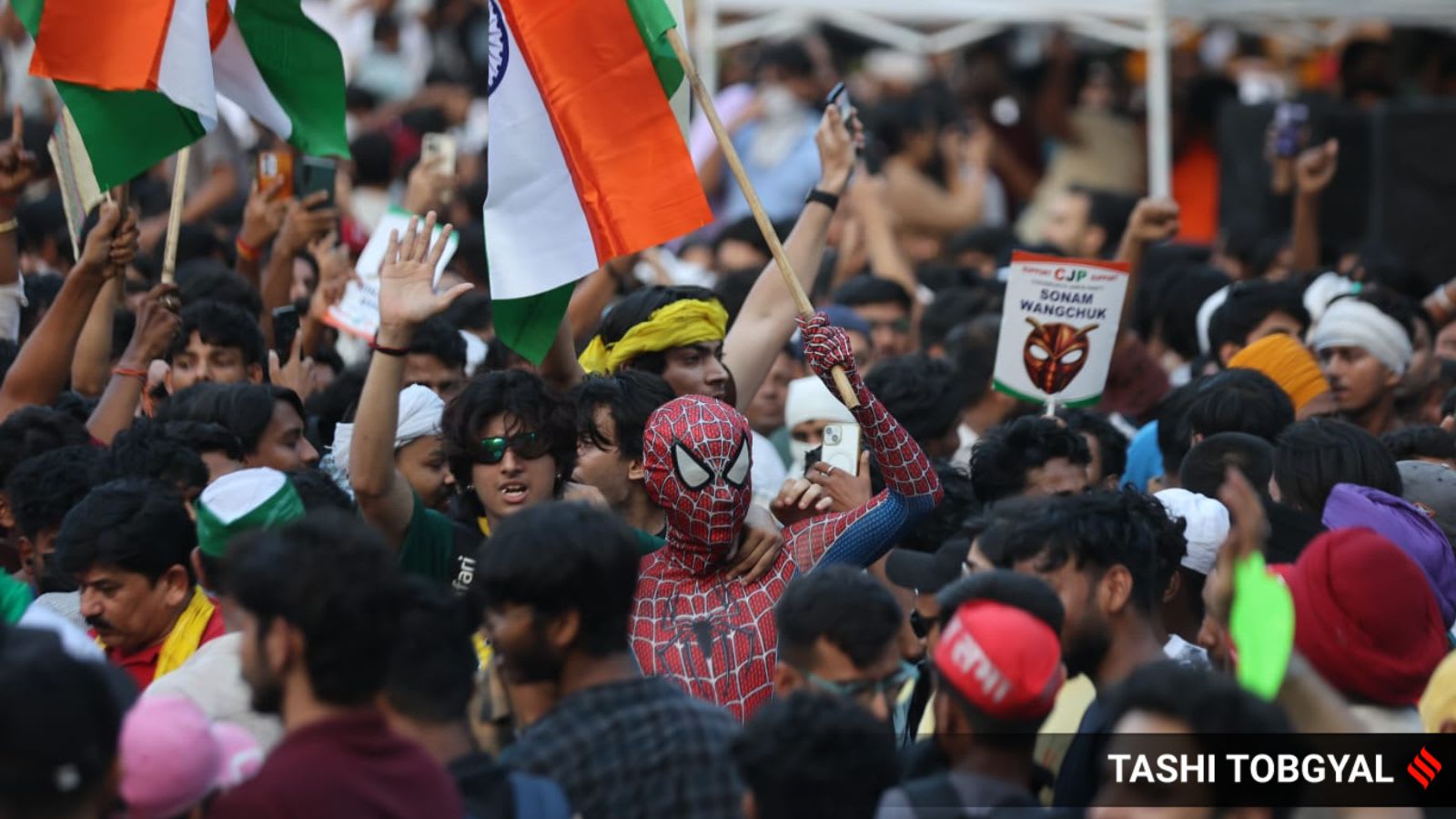
Young protesters are demanding accountability for education corruption following a police crackdown at Jantar Mantar. The situation highlights a growing disconnect between institutional responses, such as the Supreme Court's dismissal of police excess claims, and the urgent needs of India's unemployed youth.
The Crisis of Youth and Institutional Trust in India
Recent events at Jantar Mantar, where young protesters have been subjected to police crackdowns, have brought the deep-seated frustrations of India’s youth to the forefront of national discourse. The imagery of teargassing and physical force used against students protesting corruption in education has acted as a catalyst for widespread agitation. This movement is not merely about a single examination or a specific policy; it represents a fundamental breakdown in the social contract between the state and its most vulnerable, yet ambitious, demographic.
The Erosion of the Demographic Dividend
India’s narrative of a "demographic dividend"—the economic growth potential resulting from a young working-age population—is increasingly being challenged by grim statistical realities. With ILO estimates indicating that unemployment in the 15-24 age group reached 17.2 percent in 2025, the promise of a prosperous future for the youth appears to be slipping away. Specifically, the 21 percent unemployment rate among women with advanced education highlights a systemic failure to absorb skilled talent into the workforce, turning what was once a national asset into a source of profound social instability.
Accountability and the Judicial Role
Central to this crisis is the question of how state institutions respond to citizen grievances. The recent comments by Chief Justice of India Surya Kant, who dismissed a plea regarding police excess by stating, "Don’t waste our time," have sparked a critical debate about the judiciary’s role in protecting fundamental rights. When the highest court of the land is perceived as being unwilling to engage with evidence of state overreach, it widens the gulf between the common citizen and the institutions designed to protect them, potentially fostering further disillusionment.
The Weight of Competitive Examinations
For many young Indians, a competitive examination represents more than an academic hurdle; it is the culmination of a family’s lifelong savings and a small town’s collective hopes. When exam papers are leaked, the resulting breach of trust is profound. It shatters the meritocratic promise that serves as the bedrock of social mobility in India. The emotional and financial toll on students who have invested years into these processes cannot be overstated, as they are left not only without a career path but also without the assurance that the system values their hard work.
Political Polarization and Future Trends
As the political landscape intensifies, there is a clear danger of these protests being co-opted by partisan interests. While the opposition seeks to highlight the government's failings, the ruling party, such as the BJP, frames itself as a defender of dissent while simultaneously accusing the opposition of exploiting the grief of the youth for political gain. Looking ahead, the stability of the nation will likely depend on whether the state can move beyond rhetoric to provide concrete administrative reforms, or whether the cycle of protest and crackdown will continue to alienate a generation that feels its future is being compromised by corruption and apathy.
Multiple Citing Sources