Zelensky Says Will Stop Russia Refinery Attacks. But There's 1 Condition
Source Entity
NDTV News Search Records Found 1000
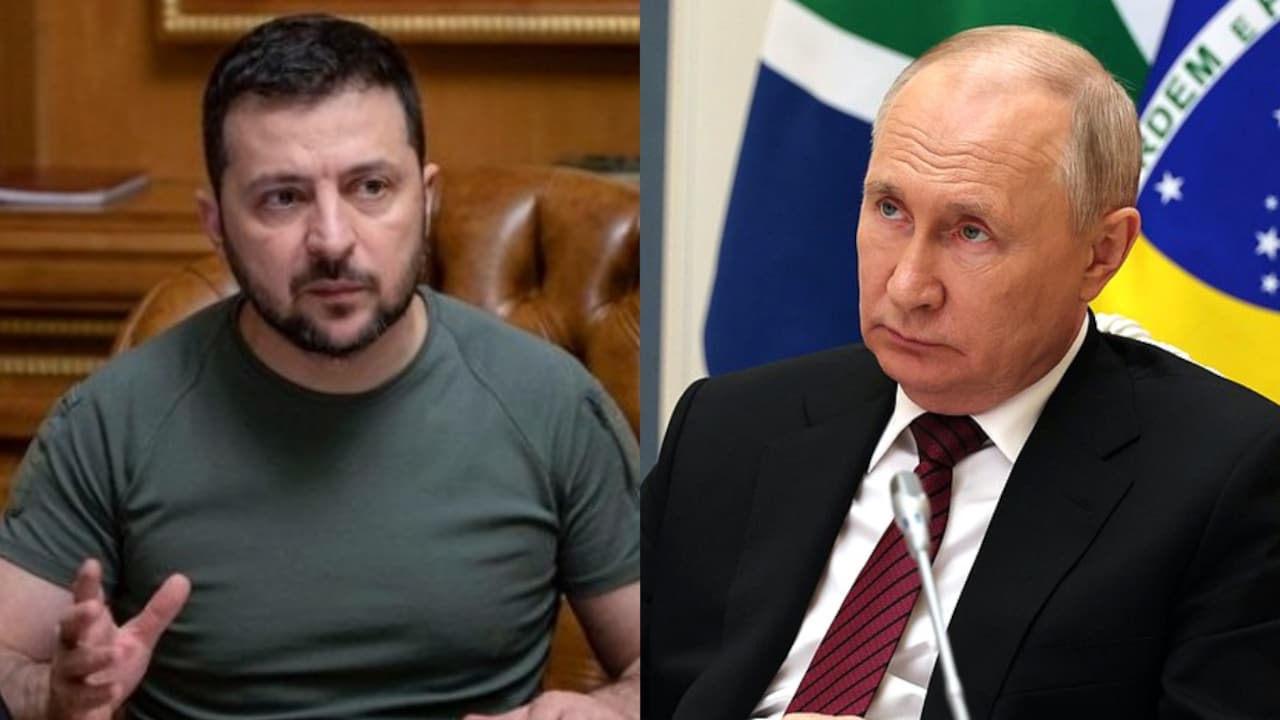
Ukrainian President Volodymyr Zelensky has indicated a willingness to halt drone strikes on Russian oil refineries under specific conditions. This potential shift in strategy highlights ongoing diplomatic and strategic complexities in the conflict.
Strategic Pivot in the Ukraine-Russia Conflict
President Volodymyr Zelensky’s recent statement regarding a potential cessation of drone strikes on Russian oil refineries marks a significant, albeit conditional, shift in Ukraine's military strategy. For months, Ukraine has utilized long-range aerial drones to target critical energy infrastructure deep within Russian territory, aiming to disrupt the logistics that fuel the Russian war machine. By signaling a willingness to negotiate the terms of these strikes, Zelensky is acknowledging the shifting pressures of the conflict, which remains a focal point of international geopolitical interest.
The Logic Behind Energy Infrastructure Attacks
Targeting oil refineries has served as a tactical lever for Kyiv, intended to degrade the Russian economy and diminish the state’s ability to generate revenue from energy exports. These facilities are vital to the Kremlin’s fiscal health and domestic fuel supply. By striking these targets, Ukraine sought to impose a direct cost on the Russian population and military leadership, effectively bringing the realities of the war to the Russian heartland. The conditionality mentioned by Zelensky implies that these strikes are being used as a bargaining chip in broader, yet-to-be-disclosed diplomatic efforts.
Geopolitical Implications and Global Markets
Global energy markets have remained sensitive to the volatility introduced by these attacks. As one of the world's largest oil producers, disruptions to Russian refinery output inevitably influence global crude and refined product prices. International allies, particularly those concerned with inflationary pressures, have closely monitored these developments. Zelensky’s willingness to pause these operations suggests a calculated attempt to align Ukrainian military objectives with the strategic priorities of his Western partners while maintaining leverage in potential future negotiations.
The Conditionality of Peace and Strategy
While the specific condition for stopping the attacks remains undisclosed, the discourse surrounding it underscores the complexity of modern warfare where kinetic operations are inseparable from diplomatic signaling. This development indicates that Ukraine is exploring ways to influence Russian decision-making beyond the battlefield. Whether this condition relates to security guarantees, humanitarian corridor access, or a pause in specific Russian offensives, it highlights a nuanced approach to sustaining the war effort while seeking off-ramps.
Future Trends and Outlook
Looking forward, the willingness to negotiate the scope of drone operations could signal a transition toward more structured, albeit fragile, de-escalation tactics. If Ukraine successfully leverages this condition to secure concessions, it may alter the trajectory of the conflict. However, the effectiveness of such a strategy depends entirely on the willingness of the Russian leadership to reciprocate. The international community will remain vigilant, as any fluctuation in the intensity of these attacks will serve as a bellwether for the broader status of peace negotiations.
Verification Required?