Ukraine's Zelensky Sacks Army Chief Amid War
Source Entity
NDTV News Search Records Found 1000
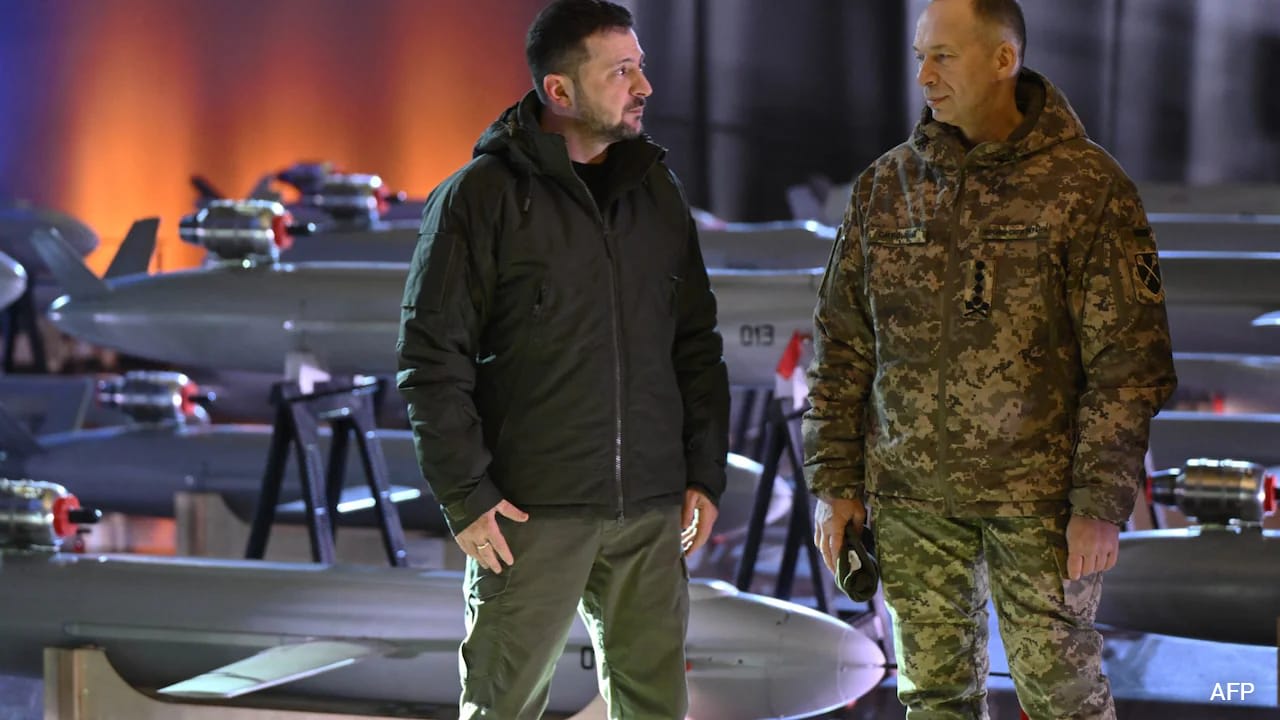
Ukrainian President Volodymyr Zelensky has dismissed Commander-in-Chief Oleksandr Syrsky following intense public protests. The move follows a political crisis sparked by the earlier removal of popular Defence Minister Mykhailo Fedorov.
The Leadership Crisis in Kyiv: An Overview
The political landscape in Ukraine has shifted dramatically following President Volodymyr Zelensky’s decision to dismiss Commander-in-Chief Oleksandr Syrsky. This move comes after a period of intense civil unrest and political maneuvering, centered on the controversial removal of the popular, tech-savvy Defence Minister Mykhailo Fedorov. The dismissal of the 60-year-old Syrsky, a veteran who played a pivotal role in the initial defense of Kyiv in 2022, marks a significant turning point in the internal management of Ukraine’s ongoing war effort.
The Catalyst: Protests and Internal Friction
The tensions were largely fueled by allegations from Fedorov, who claimed that Syrsky had actively forced him out of his ministerial role to obstruct necessary military reforms. These claims resonated with the public, leading to organized protests and an ultimatum issued by activists, including army veteran Dmytro Koziatynskyi. The protesters demanded the reinstatement of Fedorov and the removal of Syrsky, threatening open-ended nationwide demonstrations if their demands were not met by July 24th.
Zelensky’s Strategic Pivot
Facing mounting pressure and a potential domestic crisis, President Zelensky engaged in a series of high-level consultations with his military and ministerial staff. The decision to remove Syrsky appears to be a direct response to the political instability threatening the cohesion of the government. By appointing Mykhailo Drapaty, the former joint forces commander, to the position of Commander-in-Chief, Zelensky is attempting to stabilize the military hierarchy while responding to the public’s desire for a change in leadership style.
The Military and Political Implications
Syrsky’s departure signifies more than just a change in personnel; it reflects the deep-seated tension between traditional, Soviet-trained military leadership and a younger generation of reformers like Fedorov. The conflict highlights the challenges Ukraine faces in balancing its wartime military strategy with the internal political demands for modernization and transparency. The success of this transition now rests on whether Drapaty can bridge the gap between these competing factions.
Future Trends and Stability
As Ukraine navigates this transition, the focus will remain on whether the appointment of Drapaty can quell the ongoing unrest. The ultimatum issued by protesters underscores the high level of public scrutiny currently placed on the Ukrainian leadership. Moving forward, the government must prove that this leadership change will not disrupt the effectiveness of the armed forces as they continue to defend against the full-scale Russian invasion.
Conclusion
The dismissal of Oleksandr Syrsky is a critical moment for the Zelensky administration. By replacing a long-serving, experienced commander with a new leader, the President is betting that he can satisfy the public's desire for reform while maintaining the operational integrity of the military. The coming weeks will be decisive in determining whether this reshuffle restores confidence in the government or leads to further domestic instability.
Multiple Citing Sources
Verification Required?