1 Million Afghan Children Suffer 'Life-Threatening' Malnutrition: UN
Source Entity
NDTV News Search Records Found 1000
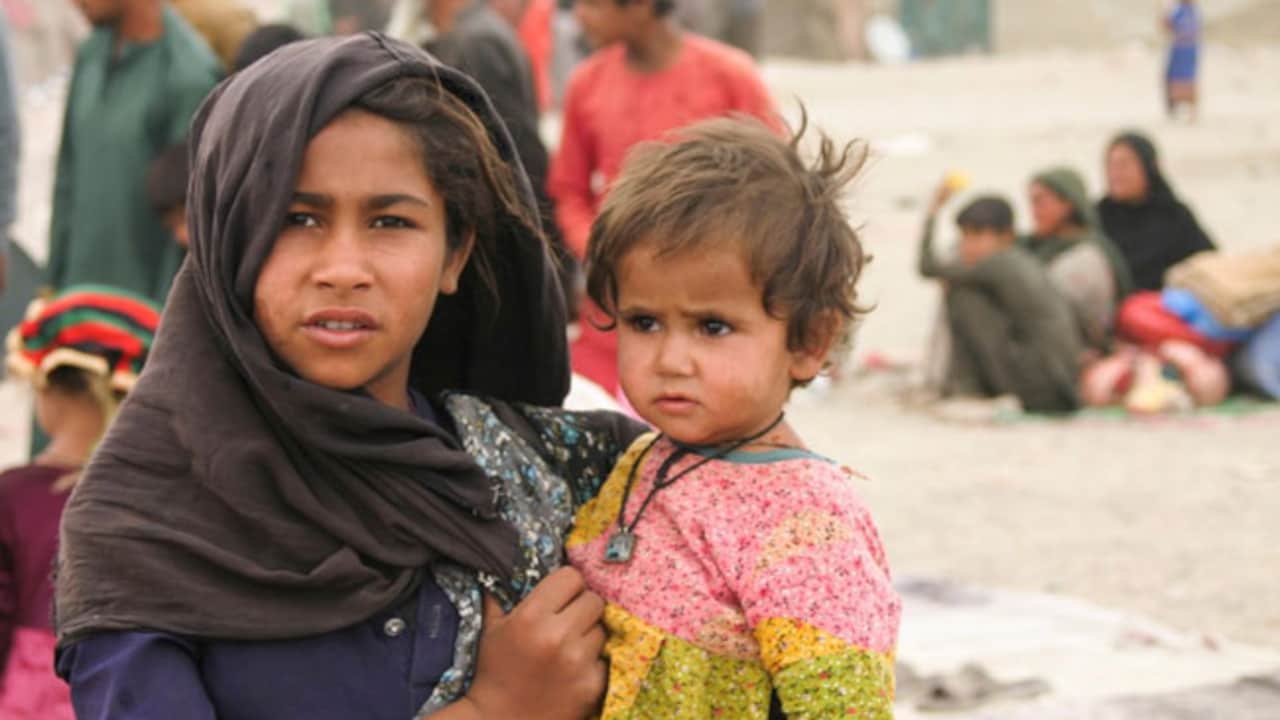
The UN has reported that one million Afghan children are facing life-threatening malnutrition. This crisis reflects a recurring pattern of severe hunger emergencies that have plagued Afghanistan for decades.
The Escalating Nutritional Crisis in Afghanistan
A Humanitarian Emergency of Historic Proportions
Recent reports from the United Nations indicate a harrowing reality in Afghanistan, where approximately one million children are currently suffering from life-threatening malnutrition. This figure represents more than a statistic; it signifies a systemic failure to provide basic nutritional security to the most vulnerable segment of the population. The severity of this situation suggests that the country is currently navigating one of its most precarious humanitarian periods, with the health of an entire generation hanging in the balance.
Historical Context of Hunger
Afghanistan has endured repeated hunger emergencies in recent decades, painting a grim picture of chronic instability. The nation’s history of conflict, climate-induced agricultural failures, and economic isolation has created a cycle of food insecurity that spans generations. Unlike acute, single-event disasters, the malnutrition crisis in Afghanistan is characterized by its persistent nature, where systemic fragility prevents communities from ever fully recovering before the next emergency strikes.
The Intersection of Conflict and Starvation
At the heart of this crisis lies the intersection of political volatility and the breakdown of essential infrastructure. When governance fails to ensure the flow of humanitarian aid or the stability of local markets, the direct victims are invariably children. The recurring nature of these hunger emergencies serves as a diagnostic indicator of a state where agricultural output, distribution networks, and international support mechanisms are chronically misaligned or obstructed.
Broader Implications for Stability
Beyond the immediate medical crisis, the long-term implications for Afghanistan are profound. Malnutrition in early childhood leads to irreversible developmental delays, affecting cognitive function and physical health for a lifetime. If a million children are afflicted, the country faces a future where its human capital is severely diminished, potentially trapping the nation in a perpetual cycle of poverty and dependency on external aid to survive.
Future Trends and Necessary Interventions
Looking ahead, the outlook remains bleak unless there is a fundamental shift in how the international community engages with Afghanistan's food security sector. The cyclical nature of these emergencies suggests that emergency relief alone—while vital for immediate survival—is insufficient. Addressing this crisis requires long-term investment in sustainable agricultural practices and the stabilization of the local economy to ensure that households can afford basic nutrition without relying solely on precarious humanitarian interventions.
Conclusion
The UN’s report serves as a critical call to action regarding the state of child welfare in Afghanistan. With one million children facing life-threatening conditions, the global community must acknowledge that this is not merely a transient problem but a deep-seated, recurring catastrophe. Future stability in the region will depend heavily on the ability to break this cycle of hunger and provide the necessary resources to ensure the survival and development of the Afghan youth.
Verification Required?