"Humanitarian Crisis Of Epic Proportions": Trump Slams Iran's Executions
Source Entity
NDTV News Search Records Found 1000
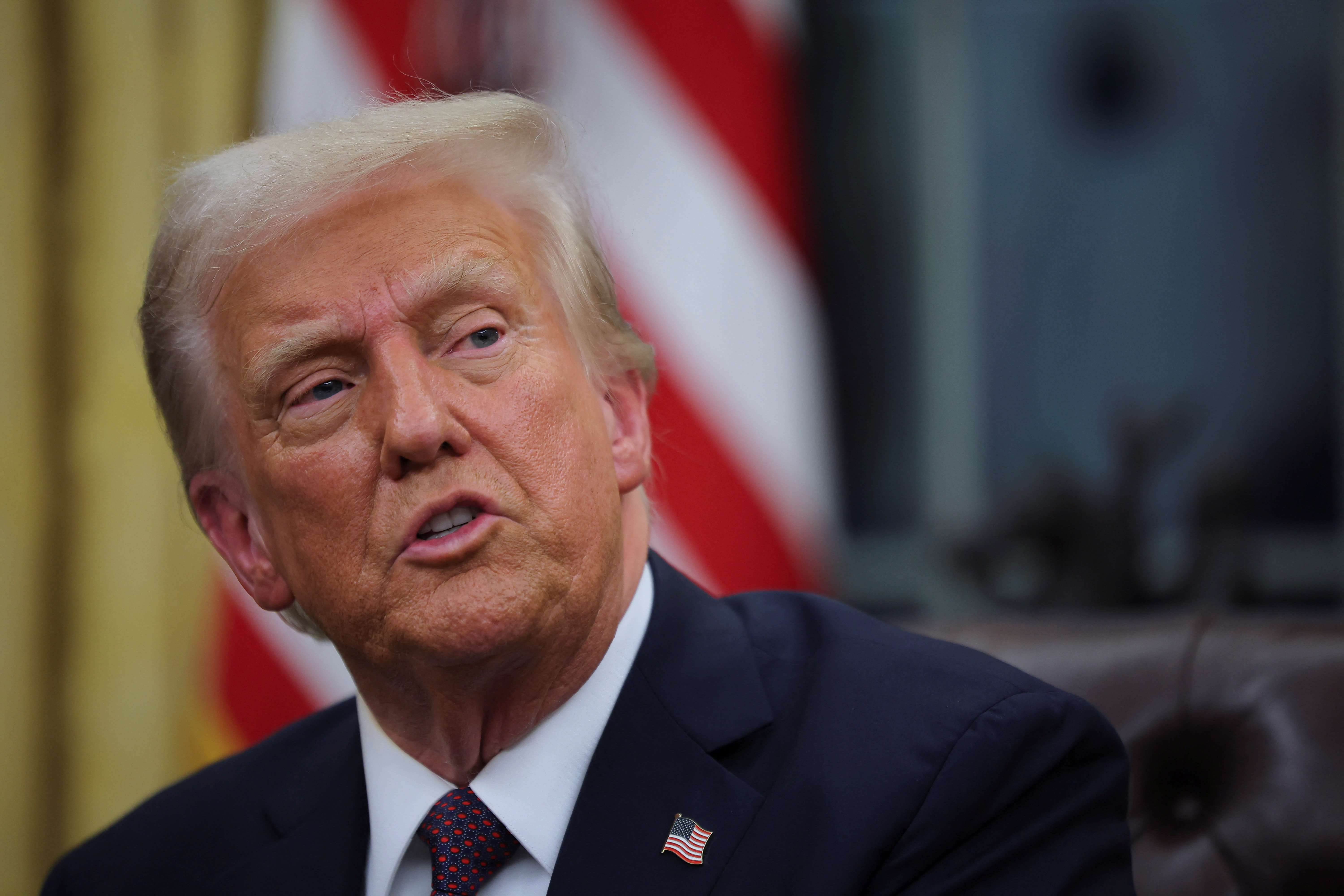
Donald Trump has characterized the internal situation in Iran as a humanitarian crisis, alleging that the regime is failing to pay its military while violently suppressing protesters. These claims follow reports of multiple executions related to civil unrest within the country.
The Escalating Crisis in Iran: A Geopolitical Overview
Recent statements from former U.S. President Donald Trump have brought renewed international attention to the internal instability within the Islamic Republic of Iran. By labeling the situation a "humanitarian crisis of epic proportions," Trump highlighted two specific areas of concern: the regime's alleged inability to compensate large segments of its military forces and the ongoing, lethal crackdown on protesters. This rhetoric underscores a deepening divide between the current Iranian leadership and international observers monitoring the country's domestic volatility.
The Impact of Economic Instability on Security
At the heart of the critique is the assertion that Iran’s fiscal health is deteriorating to the point of compromising its internal security apparatus. Trump’s claim that the government cannot pay its military personnel suggests a potential fracture in the regime's foundation. Historically, military loyalty is the bedrock of authoritarian stability; if the state fails to meet its payroll obligations to security forces, it could signal a systemic failure that extends beyond mere economic mismanagement, potentially leading to further civil disobedience or internal power struggles.
Crackdowns and Judicial Executions
Beyond economic woes, the human rights situation remains a focal point of global concern. The confirmation that at least three individuals have been executed this month on charges related to recent protests serves as a grim indicator of the government's approach to dissent. These executions are part of a broader, long-standing pattern of state responses to civil unrest, which began late last year in reaction to severe economic hardships. The intersection of economic despair and violent political suppression creates a volatile environment that has drawn intense criticism from foreign leaders.
Historical Context of Iranian Unrest
The current protests in Iran are deeply rooted in years of economic stagnation, inflation, and social frustration. The unrest that emerged at the end of last year was not an isolated incident but rather the culmination of grievances regarding the cost of living and a lack of political transparency. When governments respond to such grassroots movements with lethal force and judicial executions, they often risk further radicalizing the populace, thereby perpetuating a cycle of violence that makes stability increasingly elusive.
Future Trends and Implications
The trajectory of the current crisis remains uncertain, yet the implications for regional stability are profound. If the Iranian government continues to prioritize suppression over addressing the underlying economic grievances, the likelihood of sustained internal conflict increases. International pressure, such as the rhetoric employed by global figures like Trump, serves to amplify the visibility of these domestic issues, potentially influencing future diplomatic strategies and economic sanctions that could further strain the Islamic Republic's capacity to govern effectively.
Conclusion
In summary, the situation described involves a convergence of financial insolvency and severe human rights violations. By identifying these specific pain points—military salary arrears and the execution of protesters—the discourse surrounding Iran has shifted toward the viability of the regime's current power structure. As the international community watches, the primary question remains whether the Iranian state can resolve its fiscal and social crises before the domestic pressure reaches a tipping point that demands more drastic, and potentially destabilizing, systemic change.
Verification Required?