US' Iran D-Day Threat Hinges On Willingness To Hit China
Source Entity
NDTV News Search Records Found 1000
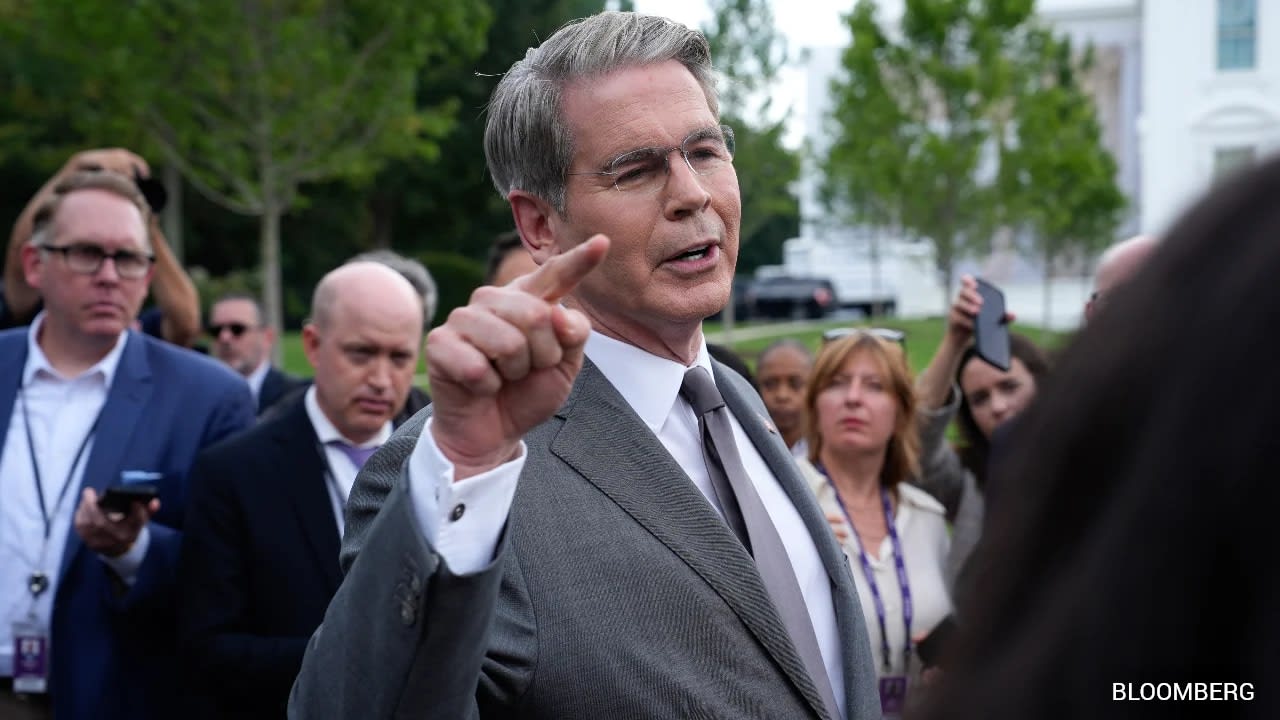
The US has launched 'Operation Economic Outcast,' imposing sweeping sanctions on entities worldwide, including four Indian firms, to cripple Iran's oil and financial networks. While Treasury Secretary Scott Bessent labels this an 'economic D-Day,' Iranian officials remain defiant, dismissing the measures as predictable.
The Strategic Shift in US-Iran Economic Policy
The United States has initiated a significant escalation in its geopolitical strategy against Iran, characterized by Treasury Secretary Scott Bessent as an "economic D-Day." This policy, branded as "Operation Economic Outcast," marks a comprehensive effort to sever Tehran’s global financial lifelines. By targeting diverse sectors including digital assets, aviation, gold, and shipping, the US is attempting to create a total economic vacuum around the Iranian regime, signaling a shift from traditional targeted measures to a broader, systemic isolation strategy.
Targeting Global Intermediaries
A critical component of this operation involves identifying and sanctioning foreign entities that facilitate Iranian trade, most notably in the petroleum sector. The US has specifically designated four Indian companies—Portease Partners LLP, Sadashiva Overseas Ltd, PP Softtech Pvt Ltd, and Prakrutees Infra Impex India Pvt Ltd—for their alleged involvement in moving Iranian oil. These sanctions represent a warning to global markets: any nation or firm maintaining financial partnerships with Tehran now faces the risk of being cut off from the American financial system.
The 'Economic D-Day' Rhetoric vs. Reality
While Washington’s rhetoric is designed to demonstrate maximum pressure, the actual efficacy of these measures remains a subject of intense debate. Treasury Secretary Bessent’s declaration of an "economic D-Day" suggests a decisive, potentially terminal blow to Iran's revenue streams. However, the historical resilience of the Iranian economy, which has operated under various sanctions regimes for decades, provides a buffer that may dampen the immediate impact of these new restrictions.
Tehran’s Defiant Stance
Iranian officials, including Economy Minister Ali Madanizadeh, have responded with characteristic skepticism. By labeling the new sanctions as "the same old talk," Tehran is signaling that it has already developed workarounds to survive such pressure. This suggests that the leadership in Iran likely anticipated these measures and has prepared contingency plans to mitigate the impact of disrupted oil exports and blocked financial channels, potentially relying on existing shadow networks and non-Western financial partners.
Broader Geopolitical Implications
The success of "Operation Economic Outcast" hinges on the willingness of the US to enforce these measures against major global players, particularly China, which remains a primary consumer of Iranian energy. If Washington is unable or unwilling to apply the same level of enforcement to larger economies that it has applied to smaller entities like the Indian firms mentioned, the effectiveness of the entire operation may be undermined. The coming months will likely see a test of resolve between US enforcement mechanisms and the complex, clandestine trade networks that allow Iran to continue its economic operations despite international pressure.
Multiple Citing Sources
Verification Required?