These 10 megadonors have spent a total of $1 billion on the midterm elections
Source Entity
Victor Reklaitis
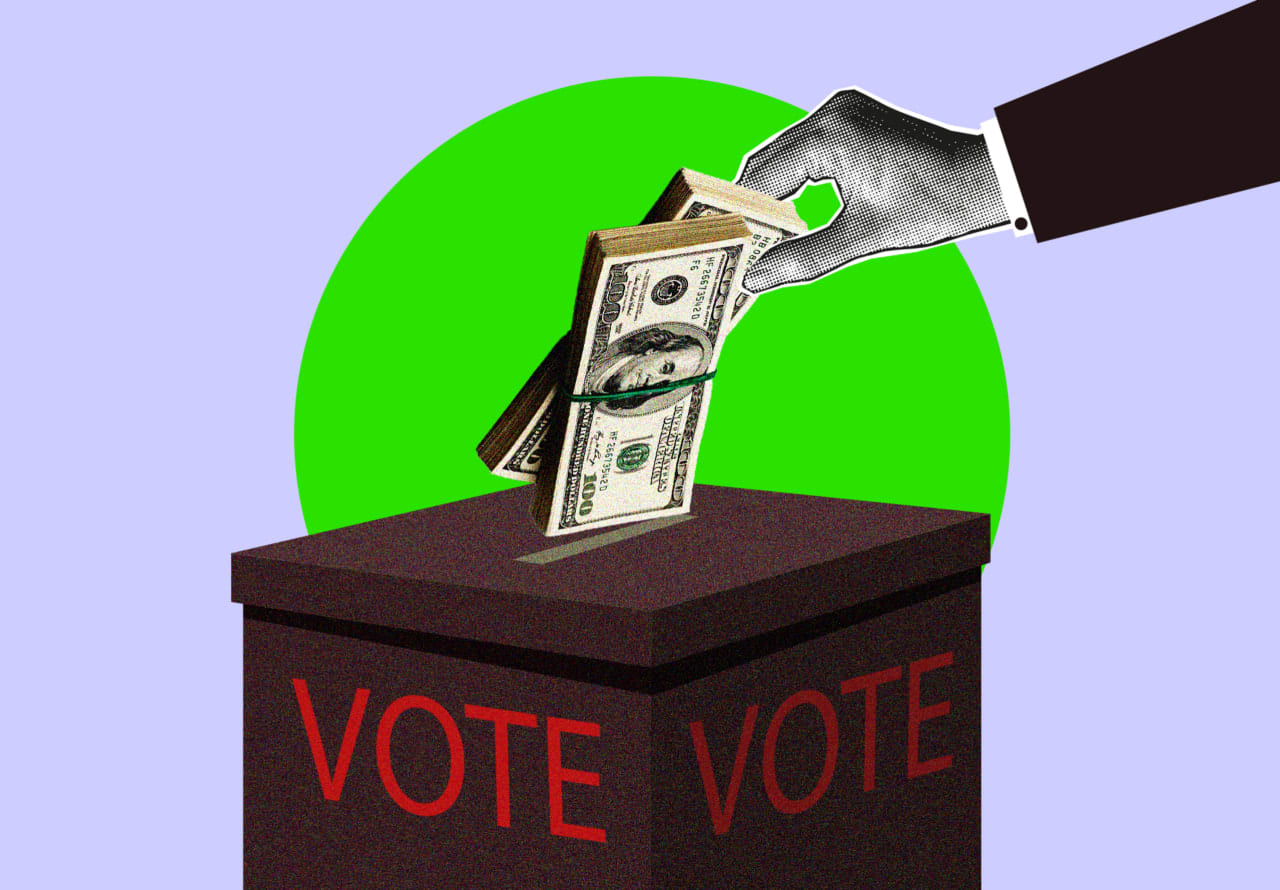
A group of ten megadonors has contributed $1 billion to the midterm elections, establishing a new record for campaign spending. This surge in private funding highlights the escalating financial scale of modern American political contests.
The Billion-Dollar Benchmark: Analyzing Record Midterm Spending
The revelation that a mere ten megadonors have funneled $1 billion into the current midterm election cycle marks a significant inflection point in American political financing. By pushing the total cost of these elections to unprecedented levels, these individuals have cemented this cycle as the most expensive in history. This concentration of capital underscores a broader trend where a small cadre of wealthy patrons wields disproportionate influence over the electoral landscape.
The Mechanics of Modern Political Funding
The sheer volume of these contributions suggests that the infrastructure for campaign finance has evolved to accommodate massive, centralized injections of wealth. As election cycles become increasingly polarized, the reliance on high-dollar donors has grown, shifting the focus of candidates from grassroots fundraising to cultivating relationships with ultra-high-net-worth individuals. This shift inevitably influences the strategic priorities of political parties as they compete for these lucrative resources.
Historical Context and Financial Escalation
Historically, midterm elections were often viewed as lower-stakes contests compared to presidential cycles. However, recent years have seen a drastic transformation in how these elections are perceived and funded. The $1 billion spent by these ten donors is symptomatic of a 'spending arms race' where both sides of the political aisle feel compelled to raise ever-increasing sums to remain competitive in a saturated media environment.
Broader Implications for Democracy
When ten individuals can account for such a staggering portion of total spending, questions regarding the health of representative democracy naturally emerge. Critics argue that this level of financial involvement can distort the legislative process, as donors may expect a degree of alignment with their interests once their chosen candidates assume office. The transparency of these transactions remains a focal point for electoral reform advocates who fear the erosion of the 'one person, one vote' principle.
Future Trends in Election Finance
Looking ahead, it is unlikely that this trend of escalating costs will reverse without significant regulatory intervention. As technology and data analytics become more sophisticated, the cost of running effective political campaigns will likely continue to climb. Future election cycles will almost certainly be defined by these record-breaking figures, necessitating a closer examination of how private wealth dictates the scope and tone of political discourse in the United States.
Verification Required?