Israel vote theft row explained: Netanyahu's claims, probe and election results
Source Entity
Latest News: Todays Latest News Headlines from India & World | Hindustan Times
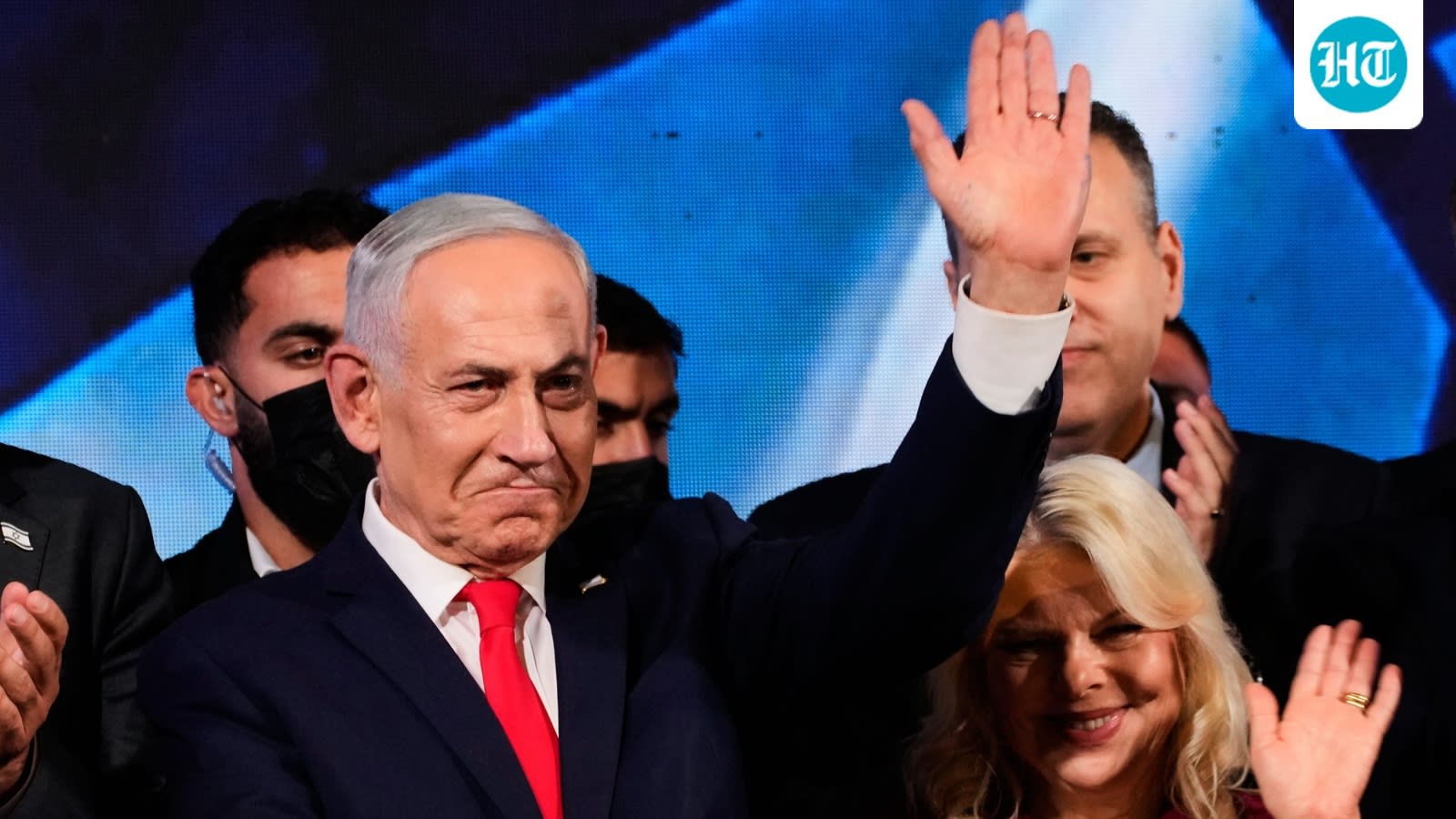
Israel faces a pivotal election on October 27 as incumbent Benjamin Netanyahu battles former army chief Gadi Eisenkot. The contest centers on national security credibility following the October 7 attacks and shifting voter demographics.
The Crossroads of Israeli Governance
As Israel approaches the October 27 election, the nation finds itself at a critical political juncture. Prime Minister Benjamin Netanyahu, a figure who has dominated the Israeli landscape for decades, faces an existential threat to his career. The upcoming vote is widely viewed as a referendum on his leadership, particularly in the wake of the October 7, 2023, Hamas attacks, which severely damaged his long-standing reputation as "Mr. Security."
The Erosion of the Security Narrative
For years, Netanyahu’s political survival has relied on his image as the only leader capable of guaranteeing Israel's safety. However, the unprecedented security failures surrounding the October 7 events have forced a national reckoning. The subsequent multi-front conflicts, including confrontations with Hezbollah in Lebanon, have intensified public scrutiny regarding government accountability and the efficacy of his long-term security strategy.
The Rise of Gadi Eisenkot
Emerging as the primary challenger to the incumbent is Gadi Eisenkot, the 66-year-old leader of the Yashar party and former Chief of Staff of the Israel Defense Forces (2015–2019). Eisenkot’s ascent has been rapid; once polling in the single digits, his party is now projected to secure 20 to 23 seats in the 120-member Knesset, potentially outpacing Netanyahu’s Likud party. His military background provides a direct counter-narrative to Netanyahu’s established platform.
Historical Significance and Demographic Shifts
Beyond the tactical military experience he brings, Eisenkot represents a significant social milestone. As the son of Moroccan immigrants, his potential victory would mark the first time a Mizrahi Jew serves as Israel's Prime Minister. This shift reflects evolving dynamics within the Israeli electorate, which is increasingly looking beyond the traditional political guard to candidates who offer a blend of institutional experience and a break from the status quo.
The Challenge of Forming a Coalition
Despite the polling momentum favoring Eisenkot, the path to power remains fraught with parliamentary obstacles. The current projections indicate that neither the Netanyahu-led bloc nor the anti-Netanyahu coalition is likely to achieve the 61-seat threshold required for a governing majority. This suggests that even after the votes are tallied on October 27, Israel may face a period of intense coalition negotiations, reflecting a deeply polarized political environment.
Future Implications for Israeli Policy
The outcome of this election will dictate the trajectory of Israel’s security and foreign policy for years to come. Whether the electorate chooses to return to Netanyahu’s familiar, yet embattled, leadership or opts for the military-tested approach of Eisenkot will define how the state addresses its ongoing regional conflicts and internal social divisions. The result will ultimately signal whether the public demands a continuity of leadership or a fundamental shift in national direction.
Multiple Citing Sources
Verification Required?