US conservative activists charged with unlawful voting in election stunt
Source Entity
BBC News
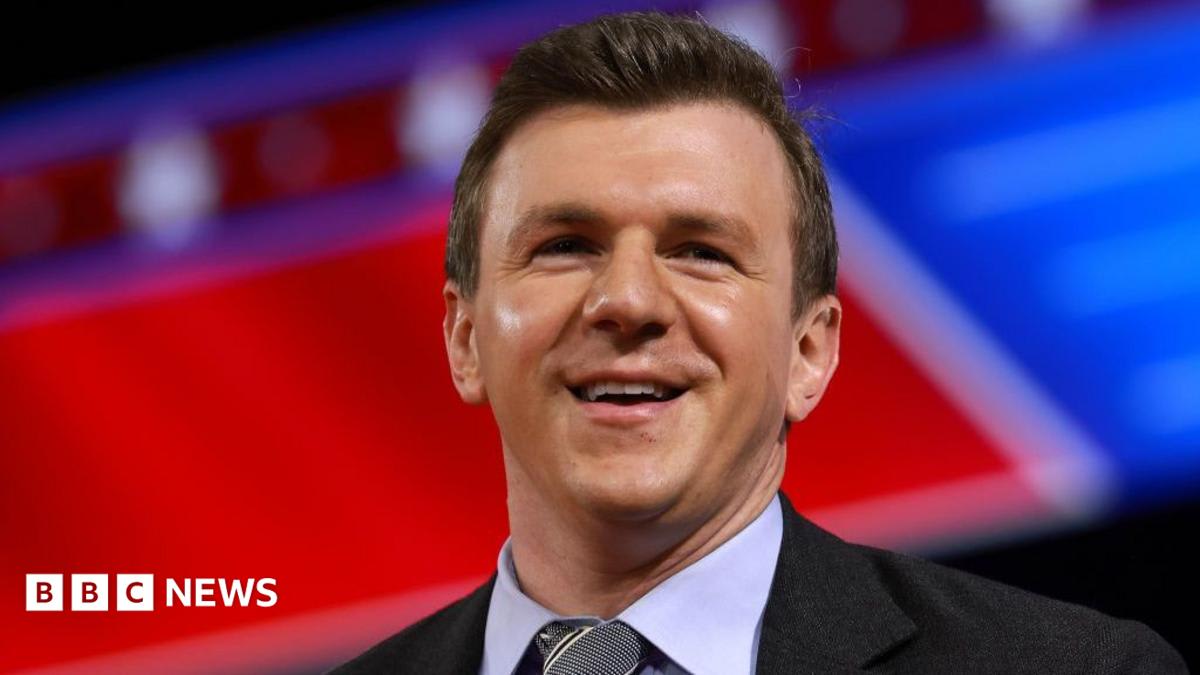
Conservative activists James O'Keefe and Cam Higby face felony charges in Minnesota for identity theft and unlawful voting during an undercover election stunt. The pair allegedly used the names of registered voters to test system vulnerabilities, though they did not cast ballots.
The Intersection of Activism and Election Integrity
The recent filing of felony charges against conservative activists James O'Keefe and Cam Higby in Minnesota represents a significant legal escalation regarding the boundaries of investigative journalism and political activism. The defendants allegedly visited polling stations during an August primary election, employing deceptive tactics—including the use of Islamic attire and fake accents—to secure ballots under the names of unsuspecting registered voters. While the activists claim their intent was to expose systemic vulnerabilities within the election process, Minnesota prosecutors have framed their actions as clear-cut violations of state statutes governing election integrity and identity protection.
The Legal Threshold of 'Stunts' vs. Crimes
At the heart of the legal dispute is the distinction between investigative observation and illegal interference. Prosecutors in Hennepin County have charged the men with unlawful voting and identity theft, arguing that the act of presenting oneself as another registered voter to election judges constitutes a crime regardless of whether a ballot is ultimately cast. This case highlights a growing tension in American politics where high-stakes skepticism about election administration has led some individuals to bypass legal oversight channels in favor of direct, confrontational 'sting' operations designed to generate viral content.
Vulnerabilities and Voter Trust
O'Keefe and Higby have maintained that their actions were a necessary test to verify if election officials would catch imposters. By recording these interactions and disseminating them, the duo intended to cast doubt on the reliability of Minnesota’s voting systems. However, this strategy creates a paradox: by attempting to prove that the system is insecure, they have instead triggered a criminal investigation that focuses on the potential for fraud created by the activists themselves. This incident underscores the broader danger of 'testing' public infrastructure, where the act of verification can ironically disrupt the very security it seeks to evaluate.
Historical Context of Undercover Activism
James O'Keefe is known for a long history of utilizing undercover recordings to challenge institutions, a method that has polarized public opinion for years. Supporters often view such actions as essential watchdog activity, while critics argue they rely on misrepresentation and bad-faith manipulation. This specific case in Minnesota serves as a critical test case for how far political actors can go under the guise of 'investigation' before they cross into criminal conduct. It reflects a national trend where election-related activities are increasingly scrutinized by both legal authorities and partisan observers.
Broader Implications for Election Security
As the legal process moves forward, the case will likely serve as a landmark for future debates on election administration and the rights of citizens to monitor polling sites. If the prosecution is successful, it will send a strong deterrent message that the privacy and integrity of voter registration data are protected by law, and that individuals cannot circumvent these protections for the sake of political performance. Conversely, the case will likely embolden activists to demand further transparency, framing the legal response as an attempt to suppress scrutiny of voting systems.
Conclusion: The Future of Political Accountability
The case of O'Keefe and Higby underscores the volatile climate surrounding modern elections. While the debate over how to properly audit and secure voting systems remains legitimate, the methods employed by these activists demonstrate the risks of radicalized, extra-legal investigative techniques. As the case proceeds through the Minnesota court system, it will likely provide a sobering reminder that the pursuit of political accountability must occur within the rigid boundaries of the law, lest the pursuit itself become the subject of criminal prosecution.