US declares national emergency to secure power grid; what it means for Americans
Source Entity
TOI TECH DESK
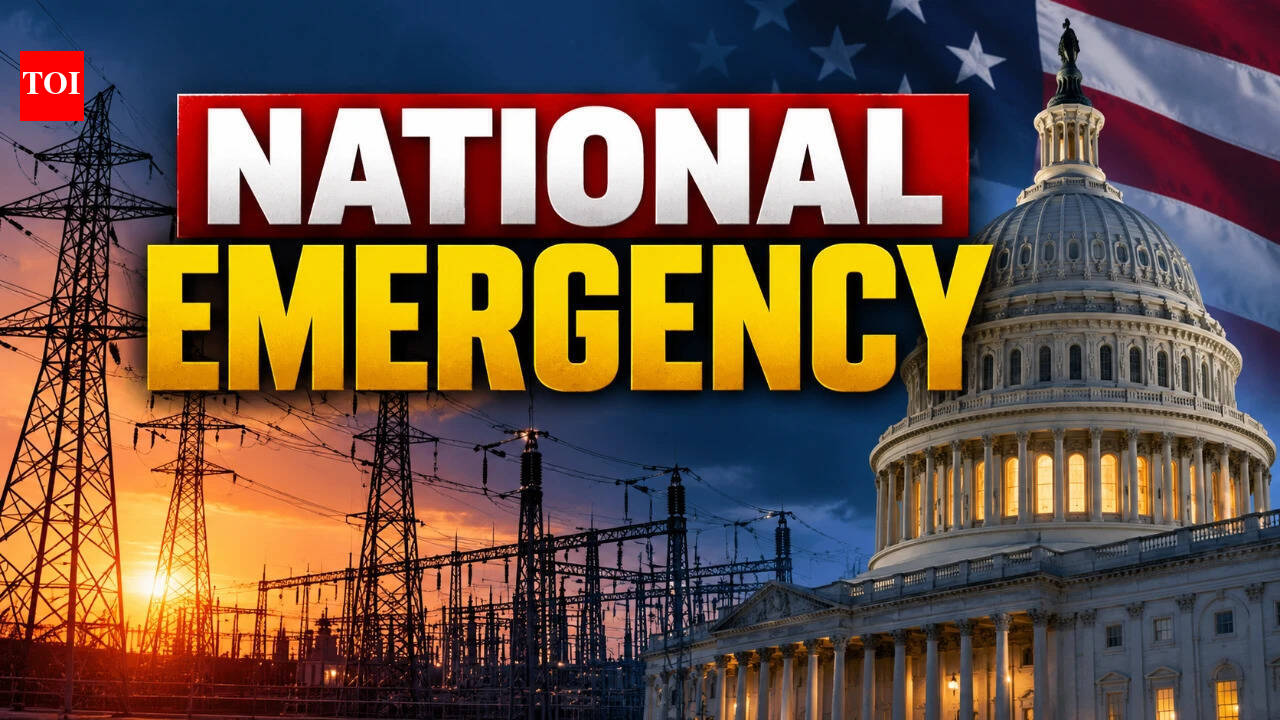
The US has declared a national emergency to restrict foreign-made electricity equipment, citing national security and cyberattack risks. This executive action aims to harden the power grid while incentivizing domestic manufacturing.
Securing the American Power Grid: A National Emergency
The United States government has officially declared a national emergency to address escalating security vulnerabilities within the nation's critical power infrastructure. By signing an executive order targeting foreign-made electricity equipment, the administration is taking a decisive stand against potential threats that could compromise power generation, transmission, and grid operations. This move reflects a growing awareness of the interconnected nature of the modern power grid and the potential for foreign adversaries to exploit hardware vulnerabilities to facilitate cyberattacks or supply chain disruptions.
The Rationale Behind the Emergency Declaration
The timing of this order is particularly significant, following closely on the heels of an emergency directive issued by the Department of Energy for 13 states on October 12. This proactive stance suggests that federal intelligence has identified specific, actionable threats associated with foreign hardware components currently integrated into the US energy network. By formalizing this as a national emergency, the government gains the authority to impose stringent security conditions on existing installations, including the mandate to replace hardware deemed high-risk.
Implications for National Security and Cyber Defense
At its core, this policy is an attempt to mitigate the risk of 'backdoor' access or hardware-level vulnerabilities that could be leveraged by hostile actors. The US power grid is an essential service, and any significant disruption could have catastrophic cascading effects on the economy, public safety, and national security. By restricting the procurement and installation of non-vetted or potentially compromised foreign technology, the US is attempting to create a 'trusted' supply chain that is resilient against state-sponsored digital and physical sabotage.
Economic Shifts and Domestic Manufacturing
Beyond immediate security concerns, this initiative serves as a catalyst for industrial policy. By curbing reliance on foreign suppliers, the government is effectively creating a protected market for domestic manufacturers of grid-related infrastructure. This shift aims to incentivize the growth of a robust American manufacturing base that can reliably supply the components necessary for grid modernization, potentially creating jobs and ensuring that the long-term maintenance of the energy sector remains within national control.
What This Means for the American Consumer
For the average American, the immediate impact may be relatively invisible, but the long-term benefits are substantial. While the transition to domestic equipment may involve complex logistical challenges and potential costs associated with replacing existing infrastructure, the ultimate goal is to ensure the reliability and stability of electricity delivery. By hardening the grid against cyber-threats, the government is prioritizing the continuity of service, ensuring that homes and essential businesses remain powered despite evolving global security threats.
Future Trends in Grid Infrastructure
Looking forward, this executive order signals a permanent shift in how critical infrastructure procurement is viewed in the United States. Future grid projects will likely be subject to much more rigorous security vetting processes, prioritizing 'security-by-design' principles. As the US moves toward a more digital and decentralized energy grid, the reliance on secure, domestic technology will become a cornerstone of national energy policy, moving away from the globalized, low-cost model that prioritized efficiency over sovereign security.