'Cows Regarded As Mothers': 3 Men Caught With Beef Jailed For Life By Gujarat Court
Source Entity
NDTV News Search Records Found 1000
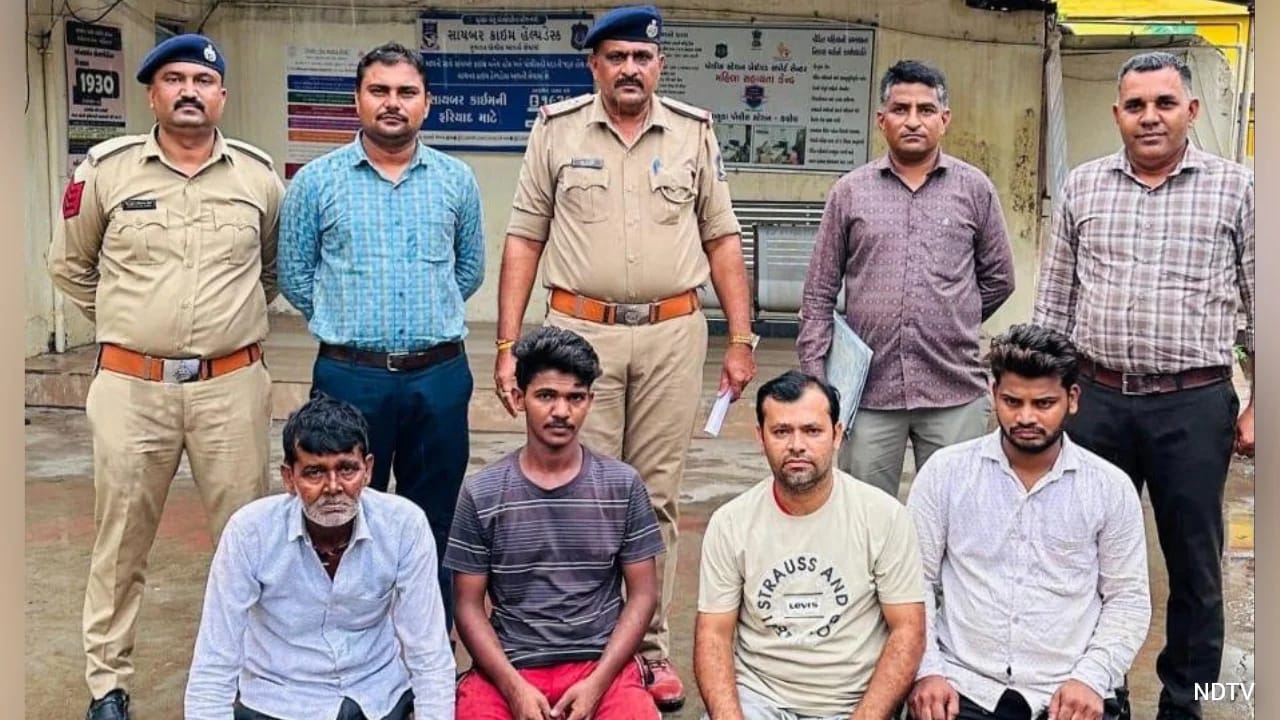
Two recent incidents in Gujarat and Madhya Pradesh highlight the intense legal and social focus on cattle protection laws in India. While a Gujarat court handed down life sentences for beef possession, a separate vigilante assault in Madhya Pradesh underscores ongoing tensions surrounding cattle transportation.
Legal and Social Tensions Over Cattle Protection in India
Recent legal and social developments in Gujarat and Madhya Pradesh have brought the issue of cattle protection into sharp focus. In Gujarat, a Gandhinagar court recently sentenced three individuals—Wasim Qureshi, Mohammad Qureshi, and Ashfaq Behlim—to life imprisonment for the possession of 277 kg of beef. This ruling was delivered under the provisions of the Gujarat Animal Preservation Act, 1954, as amended in 2017, which mandates severe penalties for the slaughter or possession of beef, reflecting a strict legislative approach to bovine protection in the state.
Judicial Interpretation and Statutory Framework
The Gandhinagar court’s decision is notable for its reliance on cultural and religious references, specifically citing the Manusmriti to characterize the cow as the "mother of the world." By integrating these philosophical justifications into a formal legal judgment, the court underscored the gravity with which the state views the violation of cow slaughter laws. The 2017 amendment to the Gujarat Animal Preservation Act serves as the backbone for this sentencing, transforming what was once a regulatory offense into a severe criminal act punishable by life imprisonment.
Vigilantism and the Risk of Misidentification
Contrasting with the state-sanctioned legal proceedings in Gujarat, an incident in Madhya Pradesh highlights the volatile environment surrounding cattle movement. In this instance, three men transporting buffaloes from Damoh to a cowshed in the Sagar district were intercepted, tied up, and assaulted by a group suspecting them of cattle theft. Despite the men possessing documents for the transport, the mob resorted to physical violence, stripping and beating the victims. This incident illustrates the dangerous intersection of suspicion and vigilantism, where legitimate transport operations can be misconstrued as criminal activity.
The Socio-Political Environment
The incidents in both states reflect a broader, highly charged environment where cattle-related activities are subject to intense public and legal scrutiny. In the Madhya Pradesh case, local police have intervened, arresting two individuals involved in the assault. This highlights the ongoing challenge for law enforcement to maintain order while navigating deeply held communal sentiments regarding cattle. The disparity between the institutionalized legal process in Gujarat and the extra-judicial nature of the violence in Madhya Pradesh highlights the multifaceted pressures on the rule of law regarding bovine protection.
Future Implications and Societal Trends
Looking ahead, the enforcement of stringent cattle protection laws is likely to continue to influence judicial outcomes and public discourse. As courts increasingly lean on both statutory amendments and historical texts to interpret these laws, the potential for high-stakes legal outcomes remains significant. Simultaneously, the persistence of vigilante incidents suggests that public awareness and police mediation will remain critical issues. The tension between the protection of cattle and the rights of those involved in the livestock trade will likely remain a defining feature of the regional socio-political landscape, necessitating a delicate balance between policy enforcement and the prevention of mob-driven violence.
Verification Required?