Big Tech lost big in the 2026 election
Source Entity
David Pierce
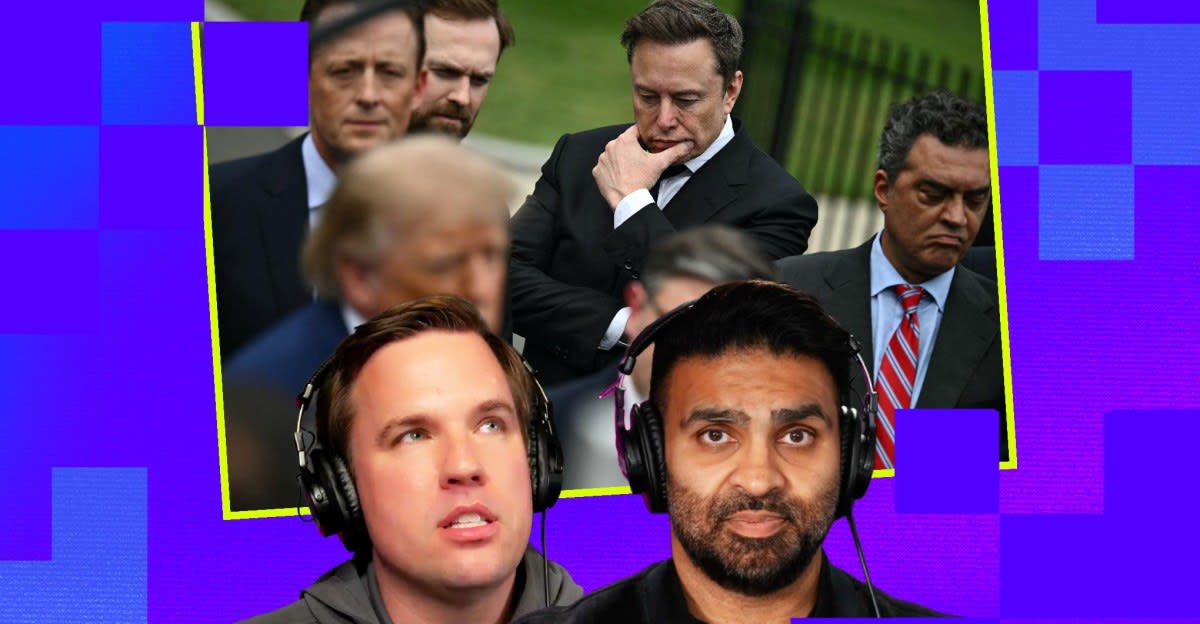
The 2026 U.S. midterm elections saw voters overwhelmingly support Democratic candidates and reject AI expansion, signaling a difficult period for data center development. While economic incentives remain, the industry faces mounting regulatory hurdles and local resistance.
The 2026 Midterms: A Referendum on AI and Infrastructure
The 2026 U.S. midterm elections have signaled a profound shift in the political landscape regarding the tech industry, particularly concerning the rapid proliferation of data centers. With voters casting ballots overwhelmingly for Democratic candidates, there is a clear mandate emerging that reflects deep-seated public skepticism toward artificial intelligence and the physical infrastructure required to sustain it.
The Ballot Measure Backlash
Evidence of this shift was starkly visible at the local level, where 41 data center-related ballot measures appeared before voters. In a near-unanimous outcome, voters in 40 of these instances chose to impose stricter limitations on development. This suggests that the concerns surrounding data centers—ranging from energy consumption to local environmental impacts—have transcended niche interest groups and become mainstream political concerns for the American electorate.
Regulatory Headwinds and Future Uncertainty
Industry analysts, including those from the Eurasia Group, suggest that the immediate future will be characterized by a cooling period for new construction. While projects currently under permit are expected to proceed, the 'next wave' of development faces significant friction. Heather West notes that this will likely manifest through slower permitting processes, local legal battles, and increased pressure on corporations to internalize the costs of their energy demands.
The Economic Tug-of-War
Despite the clear political desire to rein in Big Tech, there remains a countervailing economic reality. Oxford Economics analysts point out that data centers are significant drivers of tax revenue and high-quality construction jobs. This creates a complex negotiation space for newly elected officials who must balance the public's demand for AI regulation with the economic benefits of hosting major technological infrastructure.
Anticipating the Legislative Climate
As the new Congress prepares to take office, the energy directed at tech CEOs and AI-specific oversight is expected to intensify. Discussions on platforms like The Vergecast highlight a growing consensus that the next two years will be defined by a more aggressive regulatory posture. Whether this leads to substantive legislative change or remains largely performative rhetoric remains the central question for the industry.
Conclusion: A Negotiation, Not a Moratorium
Ultimately, industry experts like Deepak Surana of the Futurum Group suggest that the outcome of this political shift will likely result in a negotiated settlement rather than a total moratorium. The tech industry will be forced to adapt to a new reality where public consent and sustainable resource management are no longer optional, but core components of their business model moving forward.
Multiple Citing Sources