Several Democrats renew calls for datacenter pauses after blue wave
Source Entity
Nick Robins-Early
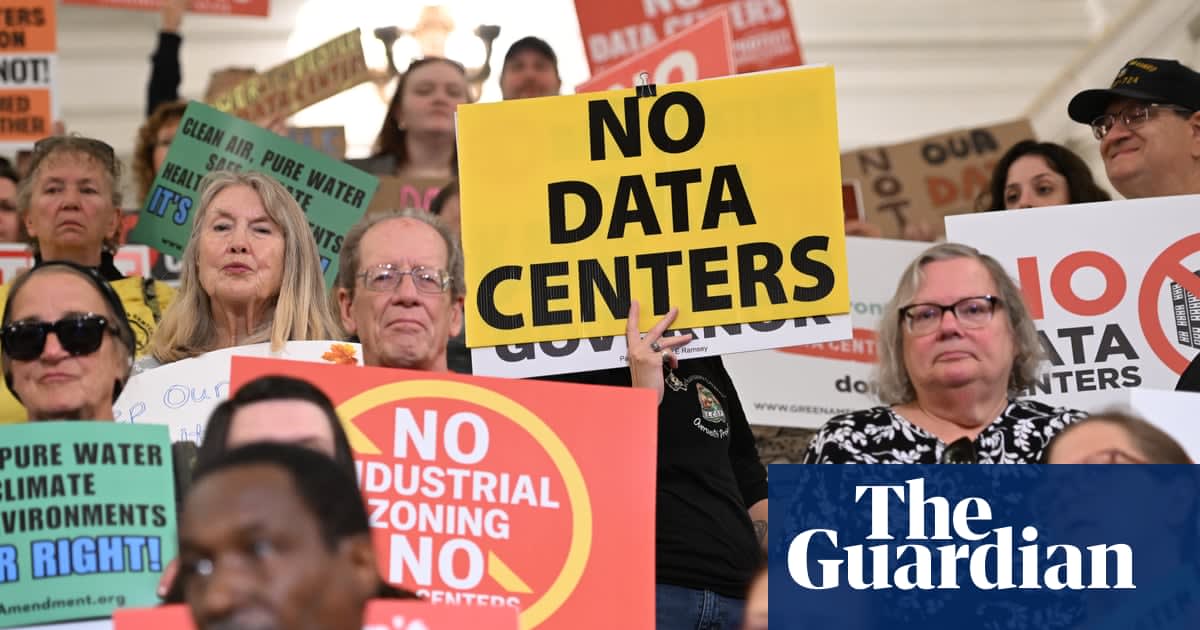
The 2026 U.S. midterm elections resulted in a significant voter backlash against AI and data center expansion. While experts suggest economic incentives may prevent a total industry shutdown, developers face a challenging regulatory environment ahead.
The 2026 Midterm Backlash: A Turning Point for Big Tech
The 2026 U.S. midterm elections have signaled a profound shift in the political landscape regarding the rapid expansion of the artificial intelligence industry. Voters across the country expressed clear skepticism toward the unchecked growth of AI, with Democrats achieving historic victories that appear to be fueled, at least in part, by a growing public sentiment against Big Tech. This election cycle brought data center development to the forefront of local and national discourse, transforming it from a niche infrastructure issue into a central political battleground.
The Ballot Box Referendum on Data Centers
Evidence of this sentiment is clearest in the results of 41 data center-related ballot measures. In a striking display of public pushback, voters chose to impose more restrictions on data center development in all but one of these instances. This trend suggests that the physical footprint of the AI revolution—specifically the massive energy and land requirements of data centers—has become a tangible grievance for local communities, leading to a surge in grassroots opposition that newly elected Democratic officials are now poised to represent.
Regulatory Hurdles and Local Resistance
As the new political guard takes office, the tech industry faces an era of increased government scrutiny. Experts note that while the appetite for regulation is high, the immediate impact on the industry will likely manifest through "local fights" and "slower permitting" processes. Heather West of the Eurasia Group points out that while projects already in the pipeline are likely to proceed, the "next wave" of construction will be significantly complicated by efforts to force data centers to internalize their own power costs and adhere to stricter local zoning laws.
The Economic Tug-of-War
Despite the clear mandate for restriction, the industry is not facing an immediate collapse. Analysts from Oxford Economics emphasize the strong economic incentives that remain, including the promise of construction jobs and substantial tax revenue. These benefits create a delicate balancing act for politicians who must appease an anti-AI electorate while simultaneously avoiding policies that could severely disrupt local economies. Deepak Surana of the Futurum Group suggests that the path forward will likely be defined by a "negotiation" rather than a total moratorium.
Future Outlook: A Two-Year Standoff
Looking toward the next two years, the tech industry must navigate a climate of heightened congressional interest and potential regulatory gridlock. The focus is shifting from simple growth to the sustainability of the AI business model itself, with questions lingering over whether companies can achieve profitability in the face of these new constraints. As the industry attempts to rebrand its infrastructure and defend its expansion, the interplay between political pressure and economic necessity will likely dictate the pace of innovation for the foreseeable future.