3-year-old girl rescued from Faridabad borewell after 10 hours dies
Source Entity
Latest News: Todays Latest News Headlines from India & World | Hindustan Times | Hindustan Times
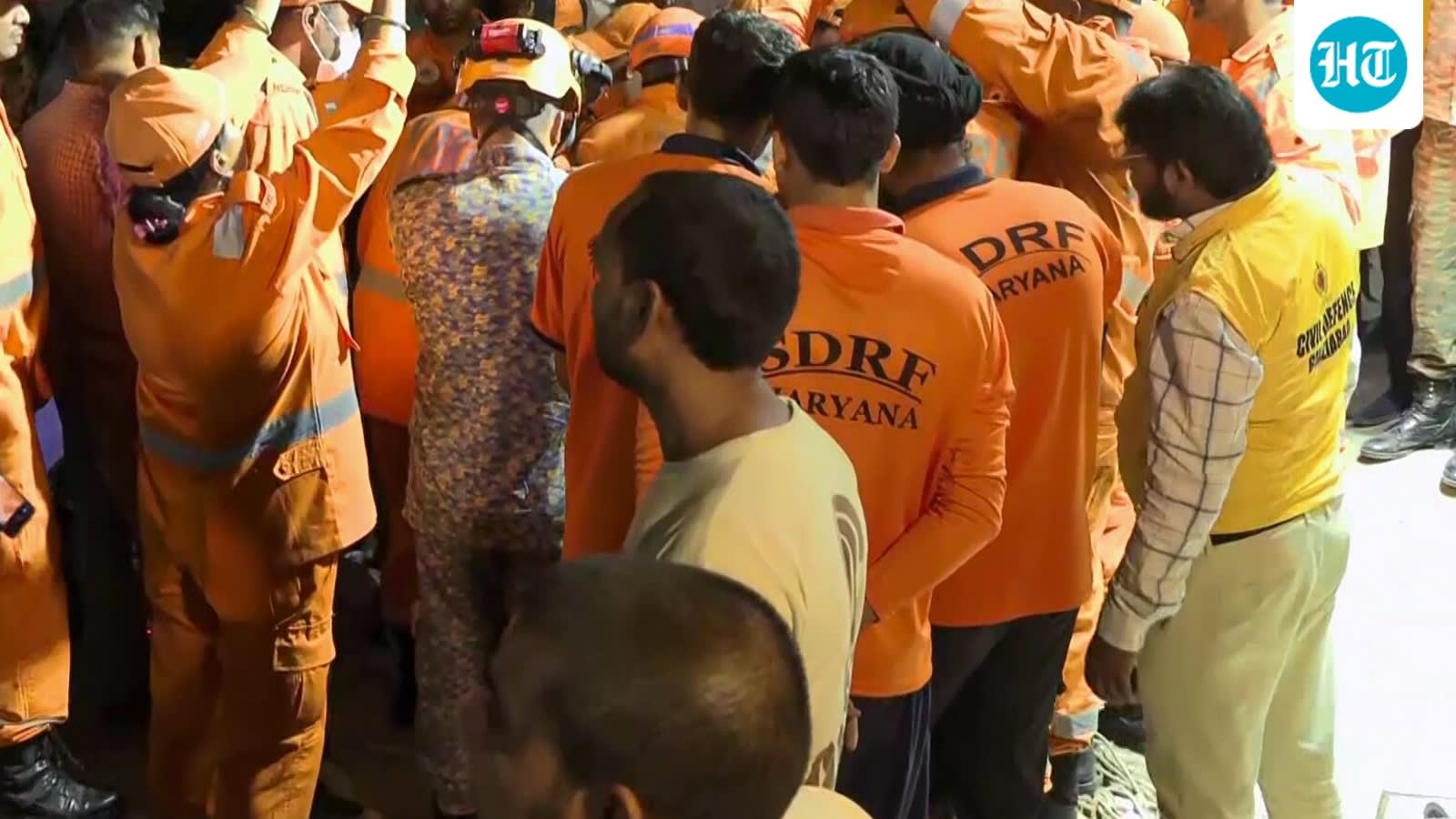
A 3-year-old girl in Faridabad, Haryana, has died after falling into a 250-foot-deep abandoned borewell. Despite a 10-hour rescue effort by multiple agencies, the child could not be saved.
Tragic Borewell Incident in Faridabad
A heartbreaking incident has occurred in the Sihi village of Faridabad, where a three-year-old girl lost her life after falling into an abandoned borewell. The tragedy unfolded on a Sunday evening at approximately 6:00 PM, while the child was playing on a tractor with other children. The victim slipped into the 12-inch-wide opening, which plummeted to a depth of 250 feet, leaving her trapped upside down at approximately 170 feet.
The Rescue Operation
Upon receiving news of the accident, a multi-agency response was immediately initiated. Personnel from the local police, fire department, and the Municipal Corporation of Faridabad (MCF) were the first to arrive on the scene. Recognizing the gravity of the situation, the State Disaster Response Force (SDRF) was deployed, followed by the arrival of a specialized National Disaster Response Force (NDRF) team around 9:05 PM. Throughout the 10-hour operation, rescue workers made concerted efforts to sustain the child, including the continuous pumping of oxygen into the borewell to facilitate breathing.
Challenges in Deep-Well Rescue
Rescuing a child from a narrow, deep-borewell is a notoriously complex and high-risk operation. The physical constraints—a 12-inch diameter—make it impossible for adult rescuers to descend directly. Furthermore, the structural integrity of abandoned borewells is often compromised, posing risks of cave-ins or shifting debris that can further endanger the trapped individual. In this case, the significant depth of 170 feet added layers of difficulty, requiring precise coordination and specialized equipment.
Regulatory and Safety Implications
This tragedy highlights the persistent danger posed by uncovered or abandoned borewells across India. Despite various state and national directives mandating that such pits be securely capped or filled, enforcement remains a critical gap in rural and peri-urban infrastructure management. The existence of an abandoned, open 250-foot shaft reflects a failure in local safety protocols, necessitating stricter accountability for land owners and municipal oversight bodies.
Broader Socio-Technical Context
Incidents of this nature frequently spark national debate regarding child safety in open spaces and the negligence surrounding agricultural or industrial infrastructure. Historical data shows that these accidents are not isolated; they represent a systemic issue where abandoned wells are left unmonitored. Moving forward, the focus must shift from reactive rescue operations to proactive prevention, emphasizing the need for legal consequences for those who leave dangerous excavations exposed to children.
Conclusion
While the rescue teams demonstrated significant dedication by working through the night under challenging conditions, the outcome remains a devastating loss for the family and the community in Sihi. The incident serves as a grim reminder of the urgent need for comprehensive safety audits of all borewells in the region to prevent future loss of life.
Verification Required?