4GB graphics cards are back
Source Entity
Stevie Bonifield
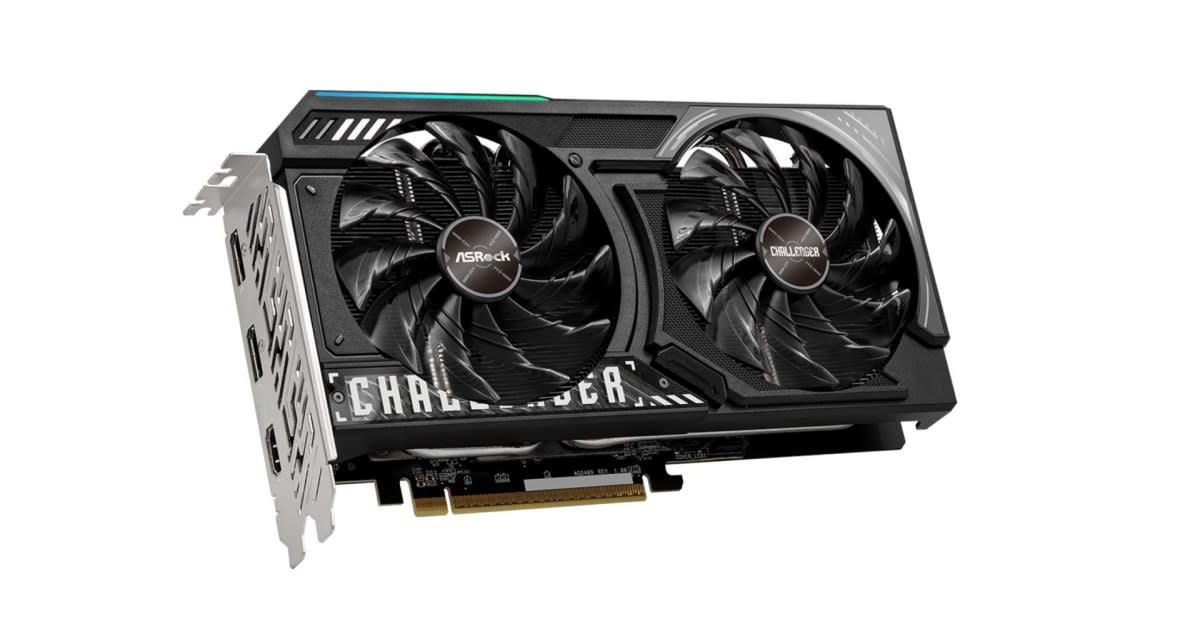
ASRock has introduced a 4GB variant of the AMD Radeon RX 9050, signaling a shift in GPU market trends amidst rising component costs. While the card features modern RDNA 4 architecture, its limited VRAM makes it unsuitable for modern AAA gaming requirements.
The Return of 4GB GPUs: A New Reality in Hardware
The recent discovery of an ASRock AMD Radeon RX 9050 featuring only 4GB of VRAM has sent ripples through the enthusiast community, marking a curious regression in consumer hardware specifications. While the industry has spent the last decade pushing for higher memory capacities to accommodate textures and assets in modern gaming, the appearance of this entry-level card suggests that economic pressures—specifically rising component costs and ongoing global supply chain constraints—are forcing manufacturers to rethink entry-level product tiers.
Technical Specifications and Architectural Context
Built upon AMD’s latest RDNA 4 architecture, the RX 9050 4GB represents a paradox of modern efficiency versus legacy constraints. With 16 compute units and a 64-bit memory interface, the card is technically capable of leveraging advanced software features like FSR 4. However, the hardware bottleneck created by the 4GB VRAM limit is significant. While it may provide a viable solution for basic display output or lightweight eSports titles, it stands in stark contrast to the memory demands of current-generation gaming software.
The Mismatch with Modern AAA Gaming
When compared against the demands of contemporary AAA titles, such as the referenced Assassin’s Creed Black Flag Resynced and Halo: Campaign Evolved, the 4GB capacity falls well below recommended specifications. Even at 1080p, modern games rely heavily on high-resolution texture streaming that requires significantly more than 4GB of video memory. Consequently, this card serves as a reminder that architectural innovation cannot always compensate for severe hardware limitations in memory capacity.
Market Implications and Future Trends
This launch serves as a bellwether for the broader technology market. As RAM prices fluctuate and component shortages persist, consumers may see more 'budget-tier' releases that sacrifice longevity for affordability. This creates a difficult landscape for gamers who are not concerned with future-proofing, as the threshold for 'playable' gaming performance continues to shift upward while entry-level hardware remains stagnant.
Conclusion: Is There a Place for 4GB?
Ultimately, the ASRock RX 9050 4GB occupies a niche space. It is not designed for the enthusiast or the power user, but rather for a market segment constrained by budget or specific, non-gaming needs. While it provides access to the RDNA 4 feature set, the stark reality of modern software requirements means that this hardware is likely to be quickly eclipsed by the increasing demand for higher memory buffers in the gaming sector.