6-Year-Old Girl Dies After $800,000 Gene-Editing Treatment In China, Probe On
Source Entity
NDTV News Search Records Found 1000
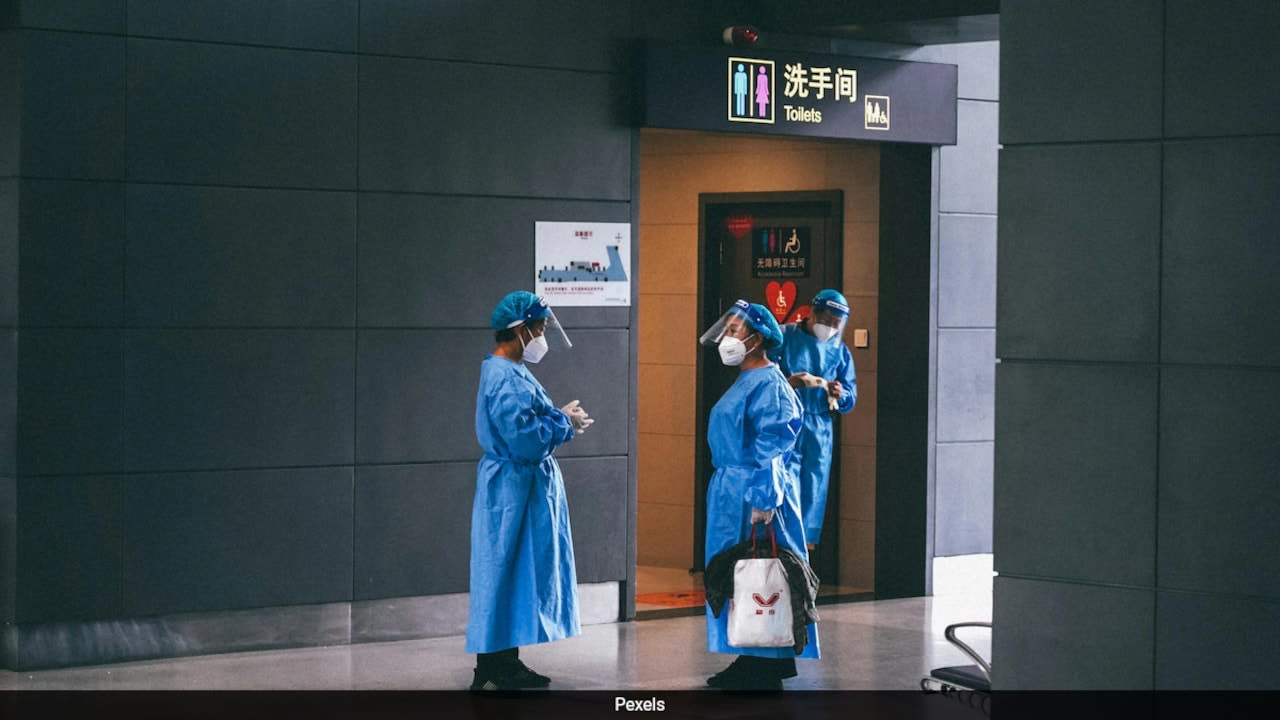
A six-year-old girl has died following an experimental gene-editing treatment in China that cost her parents $800,000. Authorities have launched a formal investigation into the circumstances surrounding the procedure.
The Tragic Intersection of Experimental Medicine and Financial Risk
The recent death of a six-year-old girl in China following an $800,000 gene-editing treatment marks a harrowing moment in the evolution of modern biotechnology. While the promise of gene therapy offers hope for curing previously intractable genetic conditions, this incident highlights the immense dangers posed by unregulated or premature clinical applications. The fact that the family invested such a significant sum—$800,000—into an experimental procedure underscores the desperation often felt by parents of children with rare diseases, a vulnerability that can be exploited by entities operating on the fringes of medical ethics.
The Regulatory and Ethical Landscape
China has been at the forefront of the global gene-editing race, particularly in the wake of high-profile CRISPR research. However, the rapid advancement of these technologies often outpaces the development of robust regulatory frameworks. This tragedy necessitates a rigorous probe into the oversight mechanisms governing private medical experiments. When families are permitted to fund their own experimental treatments, it raises critical questions about informed consent, the validity of pre-clinical testing, and the accountability of the institutions facilitating these high-stakes interventions.
The Financialization of Hope
The $800,000 cost associated with this treatment is emblematic of the 'miracle cure' market, where families facing terminal or debilitating diagnoses are asked to shoulder the financial burden of research and development. This model creates a dangerous incentive structure where profit potential can potentially overshadow rigorous safety standards. The loss of a child in this context is not merely a medical failure; it is a systemic failure that demands a thorough investigation into whether the experimental nature of the procedure was adequately communicated and whether the clinical environment met international safety standards.
Implications for Global Gene Therapy
This event will likely serve as a catalyst for stricter international scrutiny of cross-border and private gene-editing trials. The scientific community has long warned that the premature commercialization of gene-editing tools—specifically those involving germline or complex somatic modifications—poses unacceptable risks to patient safety. As investigators examine the specific protocols used in this case, the global medical community will be watching to see if this incident results in a permanent tightening of Chinese medical oversight or if it remains an isolated, albeit tragic, case of regulatory lapse.
Moving Toward a Safer Future
Moving forward, the focus must shift from rapid innovation to patient safety and ethical transparency. The death of this young girl is a stark reminder that biological engineering is not a panacea and that the cost of such treatments should never be measured solely in dollars. As the investigation proceeds, the findings will be pivotal in determining how future experimental therapies are structured, funded, and monitored to ensure that no other family is forced to endure such a catastrophic outcome in the pursuit of a cure.
Verification Required?