Government orders capture of Aralam Farm tusker KM1, to be fitted with radio collar and released into forest
Source Entity
India Latest News: Top National Headlines Today & Breaking News | The Hindu
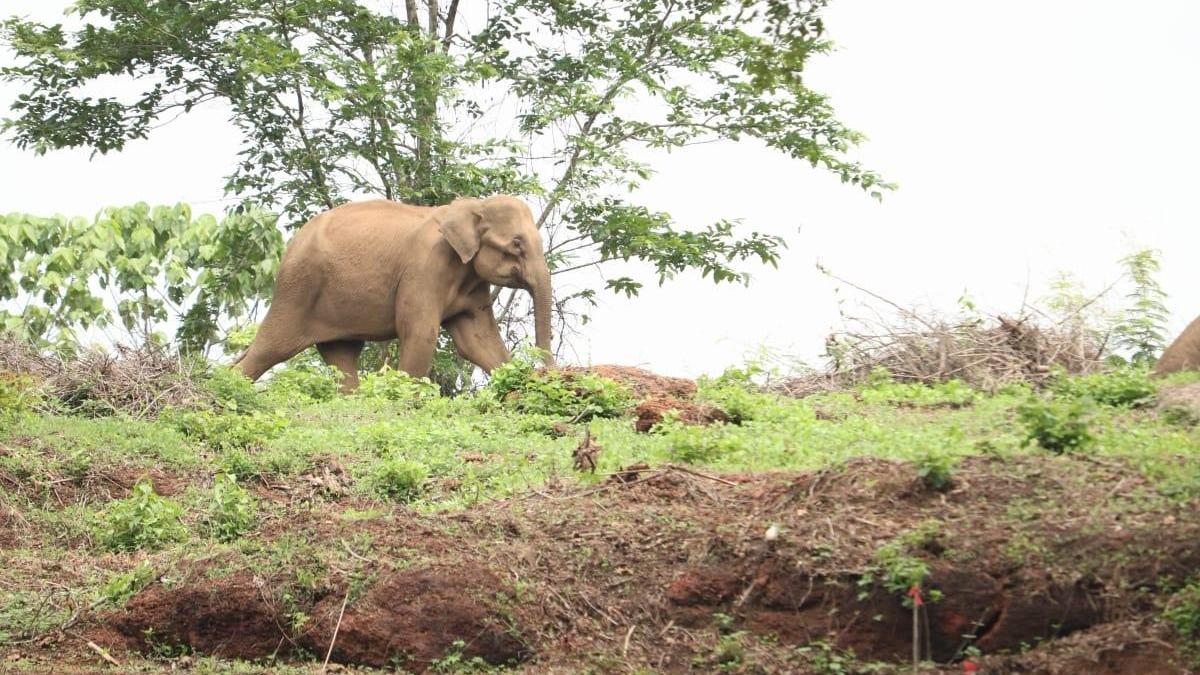
The Kerala government has authorized the capture and radio-collaring of the rogue tusker KM1. The elephant will be relocated to a deeper forest area to prevent further conflict with human settlements in the Aralam Farm region.
Strategic Wildlife Management at Aralam Farm
The Kerala government’s decision to capture and relocate the tusker known as KM1 marks a critical juncture in the ongoing human-wildlife conflict within the Aralam Farm region. By invoking Section 11(1)(a) of the Wildlife (Protection) Act, 1972, the Chief Wildlife Warden has formally recognized the animal as a persistent threat, necessitating state intervention to protect both the local human population and the elephant itself.
The Mechanics of Conflict
KM1 has demonstrated a consistent pattern of breaching protective barriers designed to demarcate forest boundaries from human-occupied zones. These incursions into residential settlements and agricultural plots at Aralam Farm are not mere accidents but deliberate traversals, likely driven by the animal's search for resources. Such behavior creates a volatile environment where the safety of residents in rehabilitation colonies is constantly compromised.
Legal and Scientific Intervention
Minister Sunny Joseph highlighted that the operation will involve tranquillizing the tusker to facilitate the attachment of a radio collar. This scientific approach is vital; radio-collaring allows the Forest Department to monitor the animal's movements in real-time post-release. This longitudinal data will be instrumental in predicting future incursions and ensuring the elephant does not return to the same human-dominated landscape.
Balancing Conservation and Safety
While the primary goal is the immediate mitigation of danger, the choice to release the tusker back into its natural habitat—rather than permanent captivity—reflects a commitment to conservation. The state’s strategy acknowledges that KM1 is a product of its environment, and removing it from the Aralam Farm vicinity to a more remote forest region aims to reset the animal's territorial habits.
Future Implications for Wildlife Management
This operation serves as a blueprint for managing problematic megafauna. By combining legislative authority with field-based technology, the government is attempting to modernize its wildlife management protocols. The success of this mission will likely influence future policies regarding how the state addresses the encroachment of wild animals into human habitats, shifting the focus from reactive measures to proactive monitoring and controlled relocation.
Verification Required?