'Highly volatile': India issues Black Sea advisory after strike in Ukraine's Odesa
Source Entity
TOI NEWS DESK
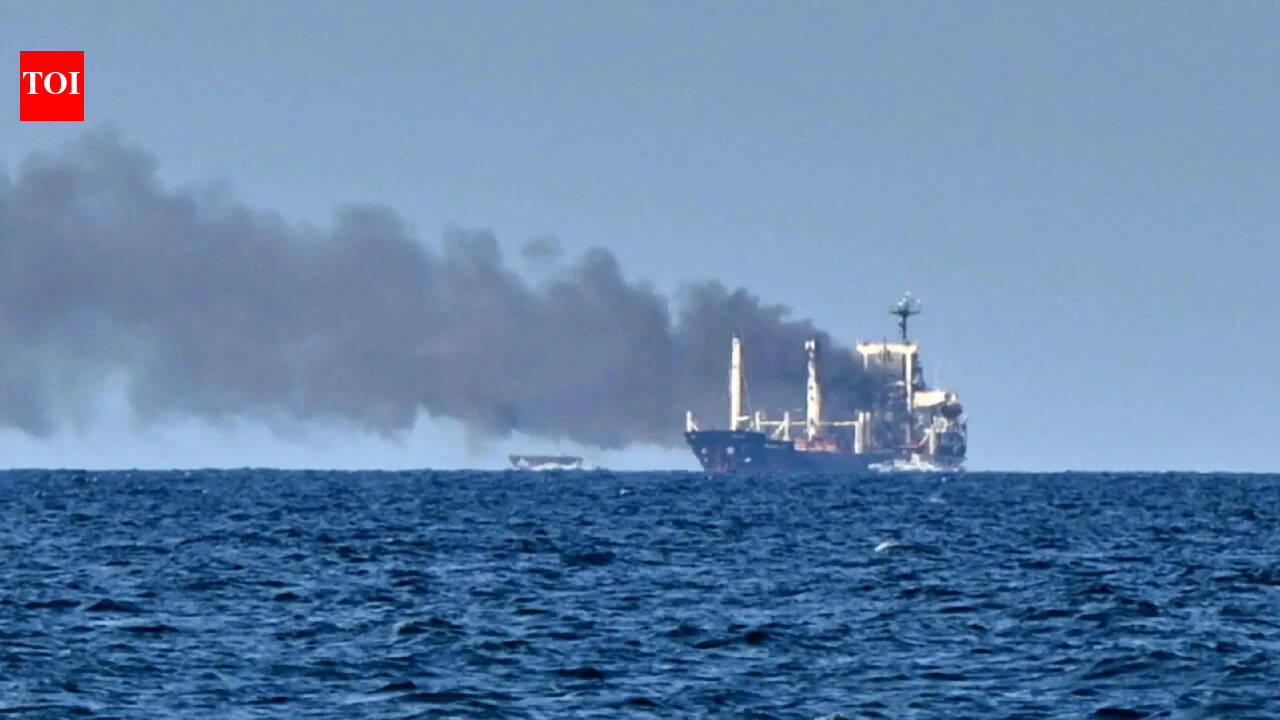
The Indian Ministry of External Affairs has issued a high-alert advisory for seafarers following a missile strike on the MV AGN Ragnar in Odesa. With two crew members safe and two still missing, the government warns of extreme risks in the volatile Black Sea maritime corridor.
Escalating Maritime Risks in the Black Sea
The Ministry of External Affairs (MEA) in New Delhi has issued a critical advisory, urging Indian nationals to exercise extreme caution when considering employment on commercial vessels traversing the Black Sea. This directive follows a harrowing incident on July 25, 2026, where the merchant vessel MV AGN Ragnar was struck by a projectile at the Ukrainian port of Odesa. The attack has highlighted the precarious nature of maritime logistics in conflict zones, where commercial assets are increasingly caught in the crossfire of ongoing regional hostilities.
The Human Cost of Conflict
The immediate aftermath of the strike on the MV AGN Ragnar has been a source of significant concern for the Indian Embassy in Kyiv. While reports confirm that two Indian crew members are safe, the status of the remaining two remains unverified. This uncertainty underscores the human dimension of the conflict, where merchant mariners—often viewed as neutral parties—find themselves in the line of fire. The MEA noted that the deteriorating security environment in the region has already resulted in the loss of five Indian nationals, emphasizing the gravity of the situation.
A Volatile Maritime Corridor
The Black Sea has effectively become a high-risk maritime corridor due to the persistent use of missiles and drones by combatant forces. These weapons systems, designed for precision targeting, pose a constant threat to civilian shipping infrastructure. The MEA’s characterization of the region as "highly volatile" reflects the unpredictable nature of these strikes, which do not distinguish between strategic military assets and essential commercial cargo vessels.
Strategic Implications for Seafarers
For the global maritime industry, this advisory serves as a stark reminder of the geopolitical risks inherent in transiting conflict-hit waters. Indian seafarers, who constitute a significant portion of the global merchant navy workforce, are now facing an unprecedented challenge. The decision to accept employment in or around the Black Sea is no longer merely a career choice but a complex security assessment that requires careful evaluation of potential life-threatening risks.
Diplomatic and Monitoring Efforts
The Indian Embassy in Kyiv remains actively engaged in monitoring the situation, coordinating with local authorities to ascertain the status of the missing crew members. This diplomatic effort is critical in navigating the complexities of a war zone where information flow is often disrupted. The MEA’s proactive stance in issuing this advisory demonstrates a commitment to protecting its citizens abroad, even as the broader conflict in Ukraine continues to evolve with little sign of immediate de-escalation.
Future Outlook and Trends
Looking ahead, it is likely that insurance premiums for vessels operating in the Black Sea will continue to climb, reflecting the heightened risk environment. Furthermore, maritime companies may face increasing pressure to provide enhanced security protocols or, conversely, may struggle to recruit personnel for routes that traverse these dangerous waters. The incident involving the MV AGN Ragnar will likely catalyze a broader discussion regarding the safety of civilian crews in modern naval warfare, potentially leading to new international maritime guidelines for transit in contested zones.