AAP alleges irregularities in Delhi textbook printing, government accuses it of “shoot and scoot politics”
Source Entity
Alok Singh
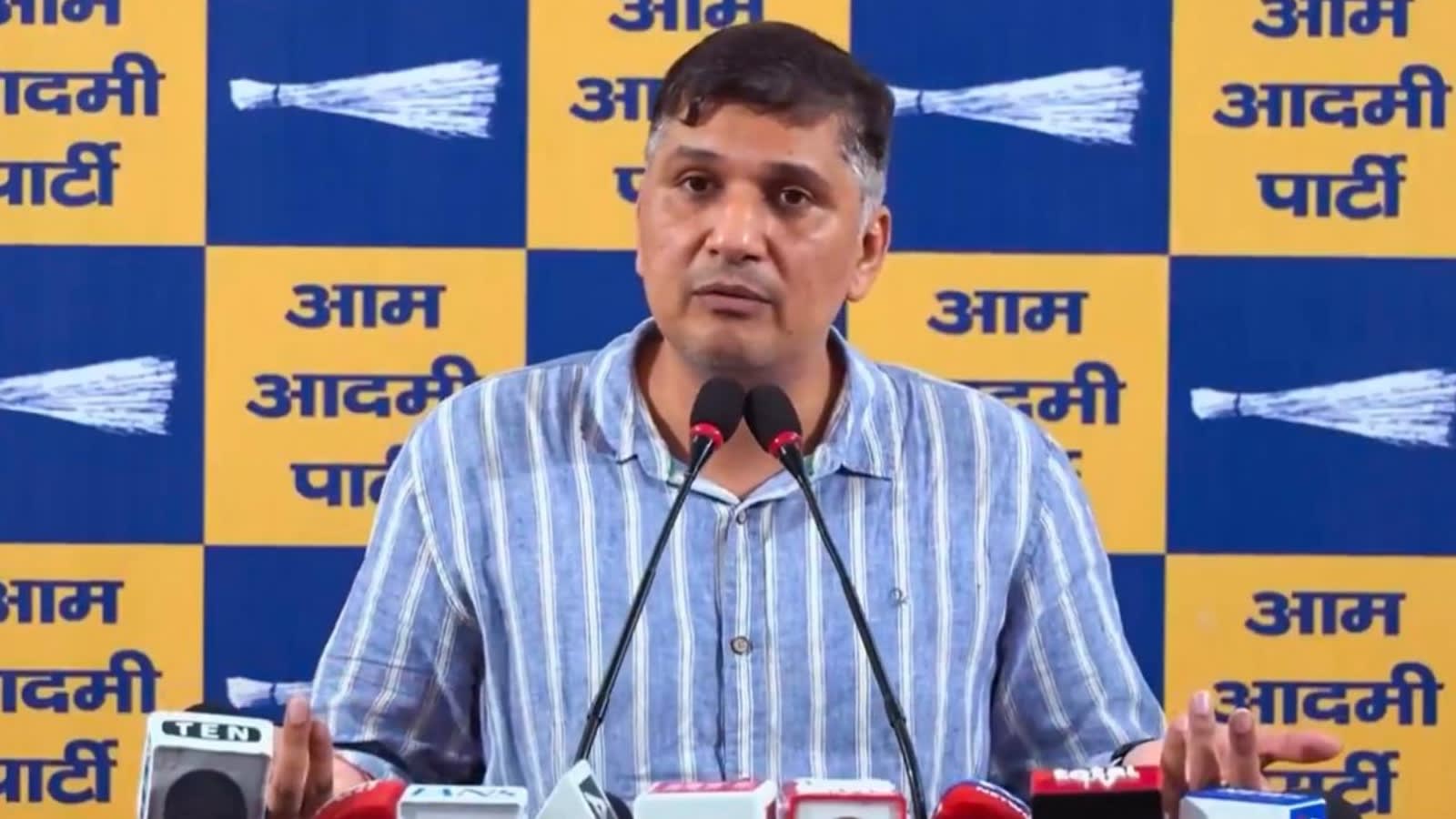
The Aam Aadmi Party and the Delhi government are embroiled in a dispute over alleged irregularities in the printing quality of school textbooks. AAP claims substandard paper and print sizes were used, while the government maintains procurement was completed at lower costs than previous administrations.
The Textbook Controversy: A Clash of Governance and Accountability
The procurement of educational materials for Delhi government schools has erupted into a significant political confrontation. At the heart of the dispute is the Aam Aadmi Party (AAP), which has formally alleged that textbooks provided to students do not meet established tender specifications. Specifically, the party has raised concerns regarding the physical quality of the materials, citing the use of substandard paper and suboptimal print sizing in key educational resources like the Class 8 Hindi textbook, 'Malhar.'
AAP’s Allegations and Quality Concerns
AAP Delhi president Saurabh Bharadwaj initiated the critique by contrasting the government-procured versions of textbooks with editions available in the open market. According to the party, the current batch of 'Malhar' textbooks suffers from inferior paper quality and a print size that makes reading difficult for students. These allegations suggest a potential compromise in the quality of education infrastructure, which the party argues is a direct result of the current government’s procurement processes.
The Government’s Defense: Cost vs. Quality
In response to these claims, Delhi Education Minister Ashish Sood has categorically rejected the allegations. The government’s defense pivots on fiscal efficiency, with the Minister highlighting that the current administration successfully procured these textbooks at rates lower than those achieved under the previous AAP regime. This response effectively frames the debate as a trade-off between absolute fiscal frugality and the maintenance of specific material standards, a common tension in public procurement projects.
The Broader Political Implications
This dispute is indicative of the broader 'shoot and scoot' style of political discourse prevalent in Delhi, where administrative decisions are frequently scrutinized through a partisan lens. By questioning the integrity of the tender process, the AAP is challenging the government’s operational competence. Conversely, by citing lower costs, the administration is attempting to demonstrate superior fiscal management, dismissing the opposition’s claims as politically motivated rather than evidence-based.
Educational Impact and Future Trends
While the political rhetoric remains intense, the primary concern remains the impact on student learning. If textbooks are indeed printed with small font sizes or fragile paper, the long-term utility of these resources may be diminished, potentially hindering the learning experience for thousands of students. Future audits or independent reviews of the tender documents will be necessary to resolve whether the quality concerns are legitimate or if they fall within the acceptable margins of procurement contracts.
Conclusion
The standoff between the AAP and the Delhi government regarding textbook quality serves as a reminder of the complexities involved in public sector supply chains. As both sides continue to trade accusations, the resolution of this conflict will likely depend on whether the government can transparently verify that the quality of the 'Malhar' textbook meets the required educational standards without compromising on the efficiency gains they claim to have achieved.