Tehseen Poonawalla claims Delhi Police put him under ‘house arrest’ before E20 protest
Source Entity
Express Web Desk
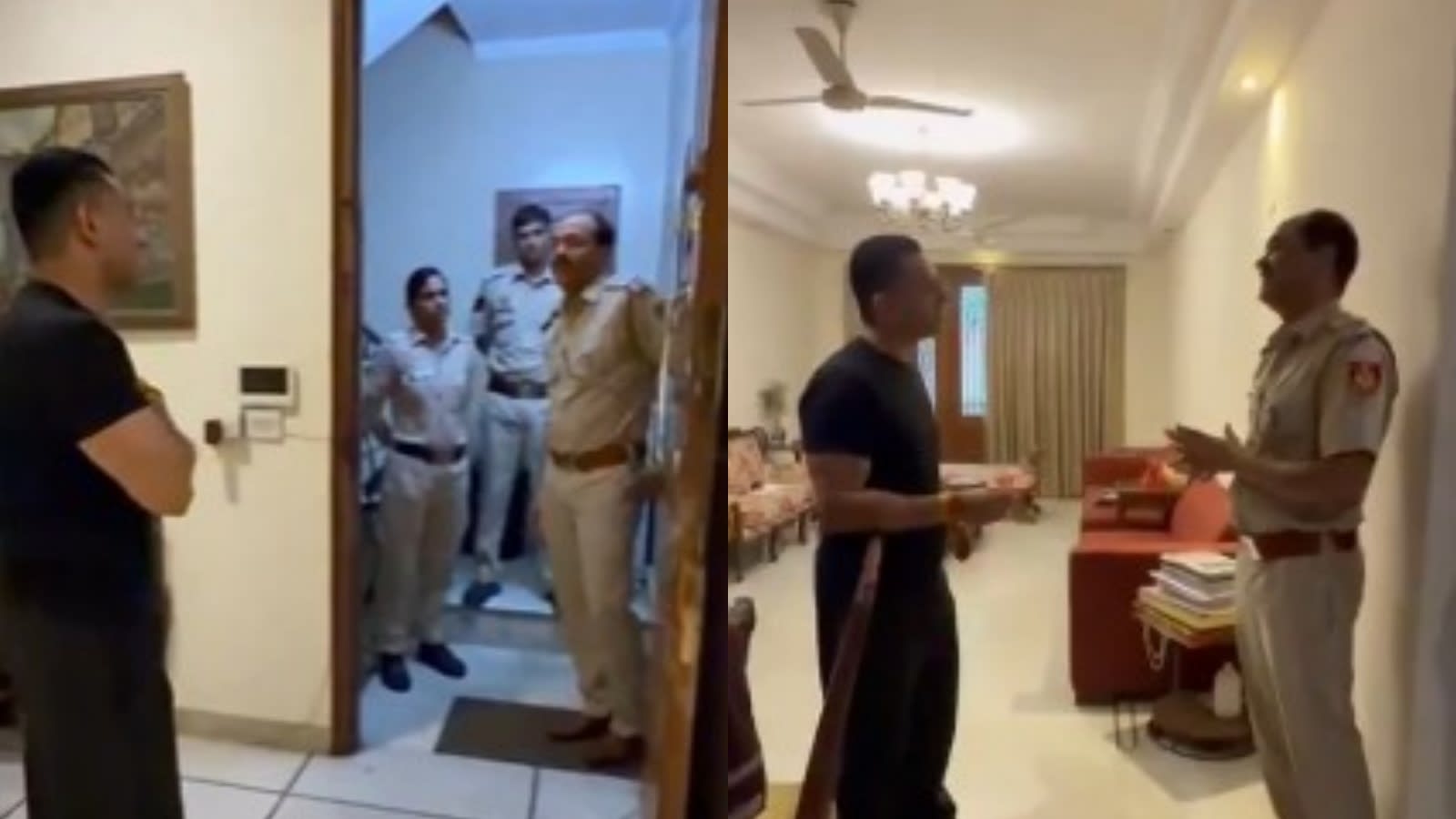
Arvind Kejriwal and the AAP have launched a major campaign against the Centre's E20 fuel-blending policy, citing engine damage and consumer concerns. The protest movement faces resistance from authorities, including the alleged house arrest of political analyst Tehseen Poonawalla.
The AAP’s Escalating Stand Against the E20 Fuel Policy
The Aam Aadmi Party (AAP), led by former Delhi Chief Minister Arvind Kejriwal, has officially opened a new political front against the central government's mandatory E20 ethanol-blending policy. This initiative reached a crescendo on August 1, 2026, during a 'National Town Hall Against E20' held at the Constitution Club in New Delhi. The event served as a catalyst for a broader protest movement, marked by symbolic displays of dissent, including supporters chewing raw sugarcane sticks to mock the policy’s dependence on agricultural byproducts.
Mounting Public and Political Pressure
The core of the AAP's grievance lies in the alleged negative impact of E20 petrol on vehicle engines and overall fuel efficiency. By mobilizing public sentiment, the party claims to have secured over two lakh digital signatures for a petition demanding critical revisions to the policy. The intensity of this campaign was evident at the town hall, where hundreds of supporters packed the venue, and the party reported over seven lakh viewers via digital livestream, signaling significant public engagement with the issue.
Confronting State Authority
The protest has not been without friction between the opposition and law enforcement. Political analyst Tehseen Poonawalla reported being placed under 'house arrest' by the Delhi Police ahead of a planned hunger strike against the same policy. Poonawalla’s public documentation of the incident—which included a video posted on social media—highlights the volatile nature of this political confrontation. His direct criticism of Union Minister Nitin Gadkari underscores the personal and policy-driven dimensions of the current standoff.
Strategic Escalation: The March to the PM's Residence
Looking ahead, the AAP has planned a high-stakes escalation for August 4, 2026. Arvind Kejriwal has announced a march to the Prime Minister’s residence, specifically calling for '100 who don't fear jail' to join him in submitting their petition. This move represents a shift from town hall discourse to direct action, aiming to force a response from the central government regarding the technical and economic concerns raised by vehicle owners.
Implications for Future Energy Policy
The E20 policy, which mandates a 20% blend of ethanol in petrol, was designed to reduce India's reliance on crude oil imports and support the sugar industry. However, the AAP’s focus on the 'Ganne Ki Baat' (Talk of Sugarcane) narrative suggests they are successfully framing the policy as a trade-off between industrial interests and consumer welfare. As the political temperature rises, the outcome of this confrontation may force the government to either provide transparent technical audits of engine performance or face sustained civil disobedience leading into the next legislative cycle.
Multiple Citing Sources