Sir John Curtice: The "Burnham bounce" is real but it's not massive
Source Entity
BBC News
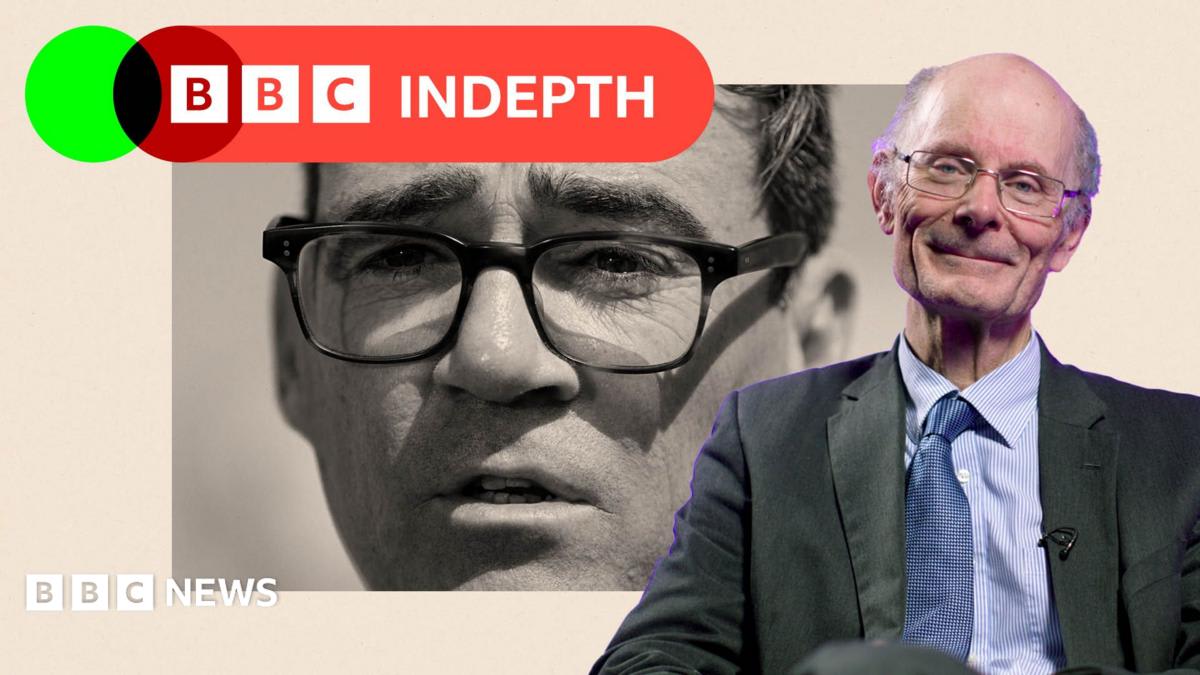
Polling data reveals a modest 'Burnham bounce' for the governing party, though their lead remains precarious. Meanwhile, Reform faces internal turmoil and funding controversies, leading to Nigel Farage's strategic, yet seemingly backfiring, decision to call a by-election.
The Dynamics of the 'Burnham Bounce'
Recent political analysis from Sir John Curtice highlights a modest but perceptible improvement in the governing party's polling figures, a phenomenon dubbed the "Burnham bounce." While this uptick provides a brief reprieve for the administration, the statistical reality remains sobering. The governing party maintains only a narrow lead over Reform, suggesting that the shift in public opinion is fragile and lacks the momentum required for a decisive political realignment.
The Fragility of Recent Gains
The current polling data indicates that the governing party's improved standing is not necessarily a reflection of widespread public enthusiasm for their policy agenda. Instead, the data suggests that the narrowing gap is largely a consequence of external factors affecting their political rivals. The shift appears to be a reactionary movement by the electorate rather than a proactive endorsement of the current administration's legislative direction.
Reform's Internal Turmoil
Reform has found itself in an increasingly defensive position, primarily due to intensifying scrutiny regarding its financial operations. Questions concerning the legality of certain funding sources have cast a shadow over the party's transparency. Furthermore, specific inquiries into whether Nigel Farage failed to adequately declare funding received prior to his election have created a narrative of institutional instability that has undoubtedly impacted the party’s public image.
The Farage Factor and the Clacton By-Election
In a dramatic attempt to seize the narrative, Nigel Farage announced on 7 July that he would stand down as an MP to trigger a by-election in his Clacton constituency. Scheduled for 13 August, this maneuver was designed to consolidate his authority and challenge his detractors directly. However, early indicators suggest that this strategy may have backfired, potentially alienating voters who view the move as an unnecessary distraction from the party's mounting controversies.
Broader Political Implications
This sequence of events underscores the volatility of the current political climate. With Reform losing its top-polling position for the first time in over a year—largely due to its own internal difficulties rather than a surge in government popularity—the political landscape remains highly unpredictable. The governing party’s decision to rule out an early election is, in this context, a rational response to a lead that is far too narrow to guarantee a favorable outcome.
Future Outlook
As the 13 August by-election approaches, the outcome in Clacton will serve as a bellwether for both the governing party and Reform. Should the gamble fail to produce a resounding mandate for Farage, it may signal a deeper decline for the party. Conversely, if the governing party fails to capitalize on this window of opportunity, it may face continued stagnation as the electorate remains largely unswayed by the modest "Burnham bounce."