'On Aug 4, at 12 pm': Kejriwal plans march to PM's residence with '100 who don't fear jail' over E20 concerns
Source Entity
Latest News: Todays Latest News Headlines from India & World | Hindustan Times | Hindustan Times
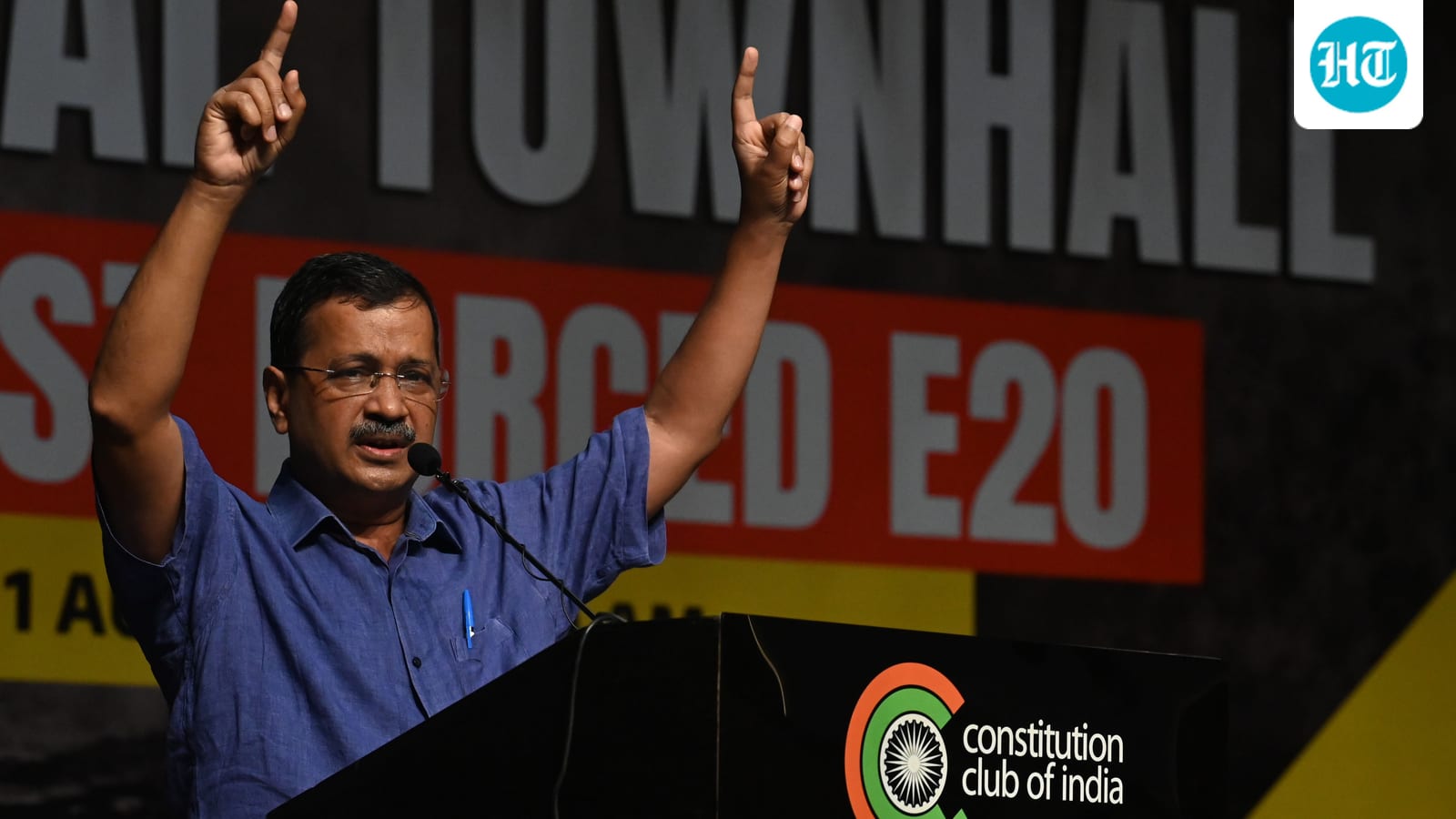
Arvind Kejriwal and the Aam Aadmi Party have launched a high-profile protest campaign against the Centre's E20 ethanol-blending policy, citing engine damage concerns. The movement has seen escalating tensions, including allegations of house arrest for activist Tehseen Poonawalla and symbolic public demonstrations.
Escalating Tensions: The AAP’s Campaign Against E20 Policy
The political landscape in New Delhi is currently witnessing a sharp intensification of opposition towards the central government's E20 fuel-blending policy. Led by Aam Aadmi Party (AAP) national convener Arvind Kejriwal, the party has transitioned from legislative critique to direct street mobilization. The upcoming march to the Prime Minister’s residence, scheduled for August 4 at 12 pm, signifies a calculated effort to bring the grievances of vehicle owners directly to the seat of power, with Kejriwal emphasizing the participation of '100 who don't fear jail.'
The Core Grievance: Engine Health and Fuel Efficiency
At the heart of the AAP’s protest is the claim that the mandatory 20% ethanol-blending (E20) policy is detrimental to vehicle longevity. Supporters and party leadership argue that the fuel mixture is causing significant damage to engines and resulting in reduced fuel efficiency for common citizens. This narrative was solidified during the 'National Town Hall Against E20' held at the Constitution Club on August 1, 2026, where the party leveraged digital mobilization, claiming over two lakh signatures on a petition and seven lakh livestream viewers.
Symbolic Protest and Public Frustration
The protest has adopted a highly visible, symbolic aesthetic to capture public attention. Outside the Mavalankar Auditorium, the distribution of sugarcane sticks—a direct jab at the source of ethanol production—served as a rallying point for supporters to express their frustrations. The creation of a 'Rant Booth' under the hashtag #GanneKiBaat reflects the party's strategy of gamifying political protest to engage a younger, digital-native demographic while highlighting the perceived disconnect between the Centre’s policy and the practical realities faced by motorists.
Crackdowns and Political Friction
The intensity of the opposition has invited a firm response from law enforcement, leading to accusations of administrative overreach. Political analyst Tehseen Poonawalla alleged that he was placed under house arrest by the Delhi Police ahead of a planned hunger strike against the same policy. By framing the police presence as an act of intimidation by the government—specifically naming Union Minister Nitin Gadkari—Poonawalla has effectively elevated the discourse from a technical policy debate into a broader conflict regarding civil liberties and the right to dissent.
Broader Implications and Future Trends
The E20 controversy represents a significant intersection of environmental policy and consumer protection. While the Centre promotes ethanol blending as a pillar of its energy security and agricultural support strategy, the AAP’s campaign highlights a major communication gap. If the party continues to frame this as an 'engine damage' issue, it risks creating long-term skepticism toward green energy initiatives. The success of the August 4 march will likely determine whether this issue remains a localized political skirmish or evolves into a sustained nationwide debate over the economic and mechanical viability of the government’s energy transition roadmap.
Multiple Citing Sources
Verification Required?