Democrat Abdul El-Sayed wins Michigan to become first Muslim senator in US history
Source Entity
BBC News
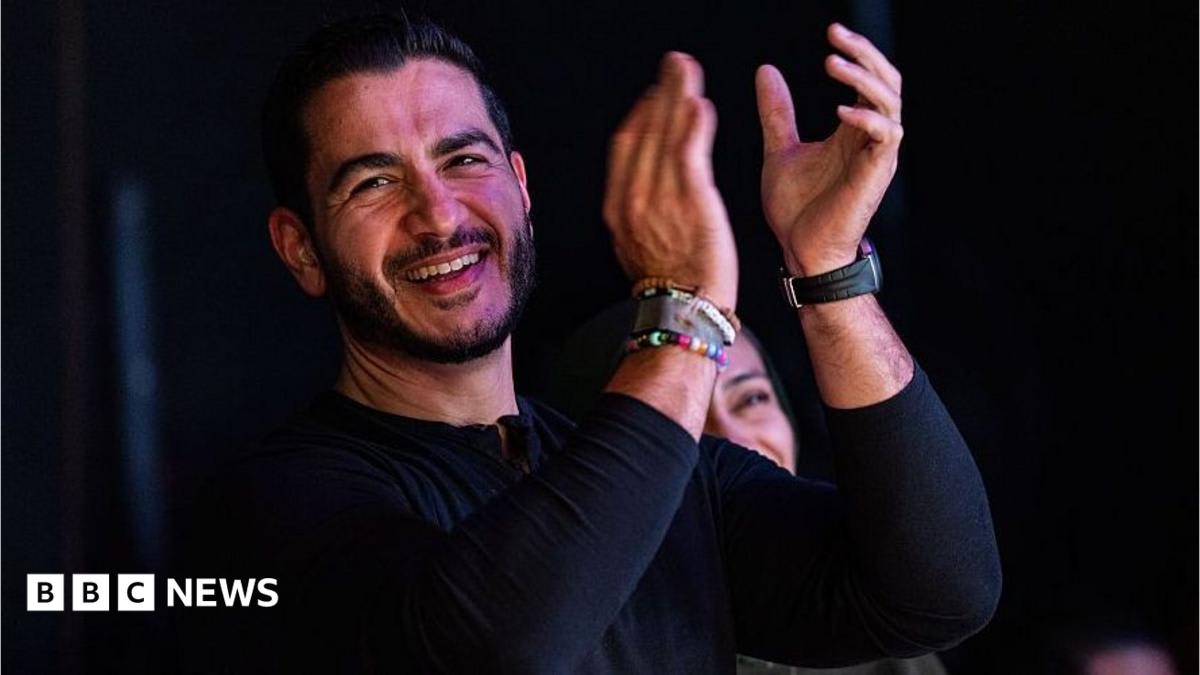
Abdul El-Sayed has made history as the first Muslim elected to the US Senate, defeating Republican Mike Rogers in Michigan. His victory highlights his progressive platform on healthcare and his unique personal connection to India through his wife, Dr. Sarah Jukaku.
A Historic Milestone in American Politics
The election of Abdul El-Sayed to the United States Senate from Michigan marks a watershed moment in American democratic history. By defeating Republican Mike Rogers in a high-stakes battleground race, El-Sayed has shattered a significant glass ceiling, becoming the first Muslim to serve in the U.S. Senate. This victory, which followed a rigorous primary challenge against Congresswoman Haley Stevens, signals a shifting political landscape in Michigan, a state that has long been a bellwether for national electoral trends.
The Progressive Platform and Campaign Dynamics
El-Sayed, a former public health official turned politician, centered his campaign on fundamental issues that resonated with a diverse electorate: universal healthcare and government accountability. His background as a physician provided a unique perspective, allowing him to frame complex policy issues through the lens of human well-being. This focus on domestic policy was met with significant political pushback, leading to a bitter contest characterized by sharp rhetoric from high-profile Republican figures, including President Donald Trump and Vice President JD Vance.
Confronting Rhetoric and Establishing Representation
In his victory speech delivered in Detroit, El-Sayed directly addressed the Islamophobic attacks and the mockery of his name that characterized much of the opposition's campaign strategy. By standing firm against this rhetoric, he has positioned himself as a symbol of resilience for minority communities across the United States. His win is viewed as a major victory for the progressive wing of the Democratic Party, proving that a campaign focused on structural reform can succeed in a competitive, swing-state environment.
The Karnataka Connection
The narrative of this election reaches far beyond Michigan, finding a personal resonance in the coastal regions of Karnataka, India. El-Sayed’s wife, Dr. Sarah Jukaku, a psychiatrist, maintains strong ties to her heritage in Bhatkal. Her family history is rooted in public service, as she is the granddaughter of Jukaku Shamshuddin, a former deputy minister for finance in Mysore State. This trans-continental connection has brought international attention to the race, highlighting how the American political experience is increasingly intertwined with global diaspora narratives.
Future Implications and Legislative Outlook
As El-Sayed prepares to take his seat in the Senate, the focus shifts to his legislative priorities. His commitment to universal healthcare and accountability will now be tested in the halls of Congress. The broader implication of his election suggests an evolving electorate that is increasingly willing to support candidates who represent the demographic and ideological diversity of modern America. As he moves from the campaign trail to the Senate floor, El-Sayed’s tenure will likely be closely monitored by both his supporters and his critics, serving as a litmus test for the viability of progressive policies in a divided legislative body.
Multiple Citing Sources