And quiet flows the Don: Trump goes from rage to rapprochement
Source Entity
CHIDANAND RAJGHATTA
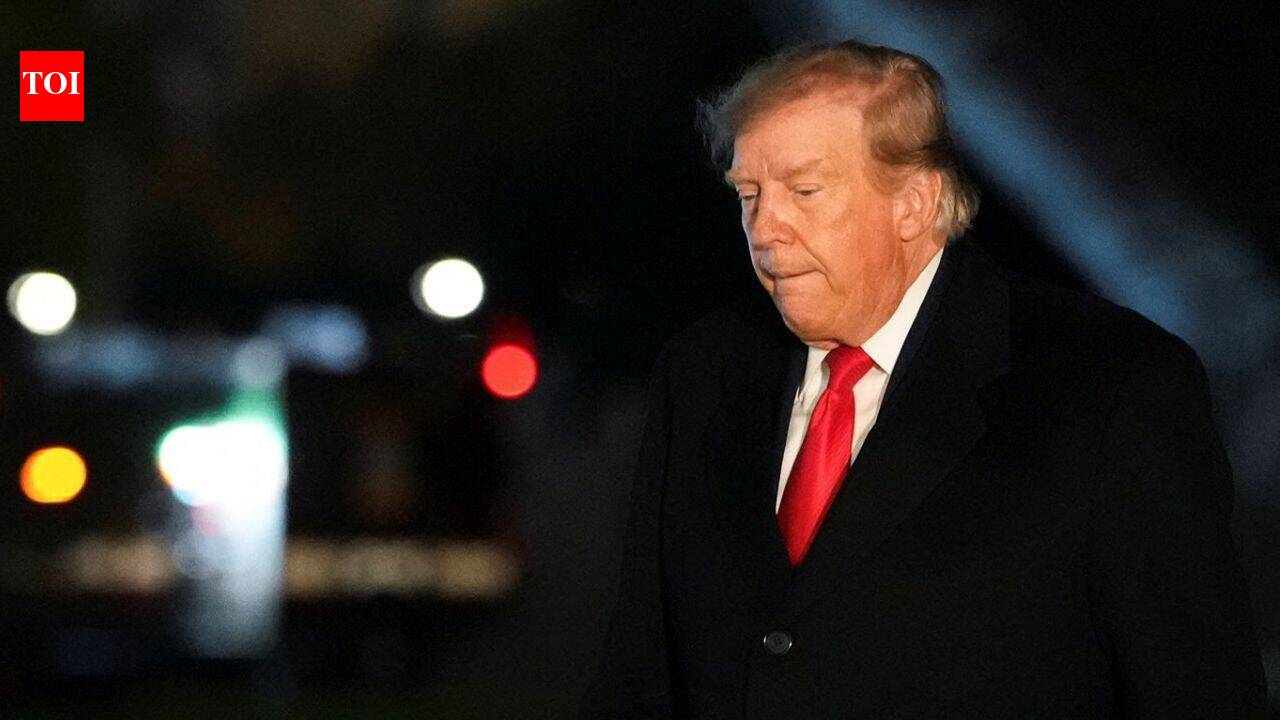
Donald Trump's political rhetoric has shifted from confrontational rage to a strategy of rapprochement. This transition marks a significant pivot in his public engagement and diplomatic approach.
The Strategic Pivot: Understanding Trump's Rhetorical Shift
Donald Trump has historically defined his political identity through high-octane rhetoric and confrontational posturing. Recent observations suggest a notable transition, where the former president has moved from a stance of overt rage toward a strategy of rapprochement. This shift is not merely a change in tone but a calculated recalibration of his public-facing persona, designed to navigate complex political landscapes and potentially broaden his appeal beyond his traditional base.
Analyzing the Shift from Rage to Rapprochement
The move from 'rage' to 'rapprochement' signifies a departure from the combative style that characterized much of his tenure and post-presidency. By adopting a more conciliatory tone, Trump may be attempting to neutralize political opposition or foster new alliances. Historically, political figures often oscillate between populism and pragmatism; Trump’s current trajectory appears to be an attempt to stabilize his narrative amidst ongoing legal and political scrutiny.
The Impact of Rhetorical Softening
This softening of language carries significant implications for his party and the electorate. For supporters, it may be perceived as a sign of maturity or strategic patience. For critics, it serves as a point of contention regarding the sincerity of the shift. The effectiveness of this rapprochement will depend largely on whether it translates into actionable policy shifts or if it remains a purely stylistic adjustment meant to improve optics.
Historical Context and Political Branding
Throughout American political history, leaders have frequently utilized rhetorical shifts to pivot during election cycles or moments of crisis. Trump’s brand has always been synonymous with volatility, making this move toward rapprochement a departure from his established 'brand' identity. This evolution suggests a recognition that the political environment may no longer reward pure antagonism, necessitating a more nuanced approach to public discourse.
Future Trends and Political Consequences
Looking ahead, the longevity of this rapprochement will be a critical indicator of Trump's long-term political strategy. If this trend continues, we may see a more subdued campaign style, potentially impacting how his rivals adjust their own messaging. The central question remains: can a figure so deeply associated with political combat successfully reinvent his public image without alienating the core supporters who were drawn to his original, more aggressive style?
Conclusion: A Calculated Evolution
The evolution of Donald Trump’s rhetoric from rage to rapprochement reflects the fluid nature of modern political strategy. By tempering his public delivery, he is testing a new methodology for engagement that prioritizes strategic alignment over raw confrontation. Whether this change is a permanent fixture of his political future or a temporary tactical maneuver, it represents a pivotal moment in his ongoing political narrative.