Aberfan disaster 'most tragic of days imaginable' says King on 60th anniversary
Source Entity
BBC News
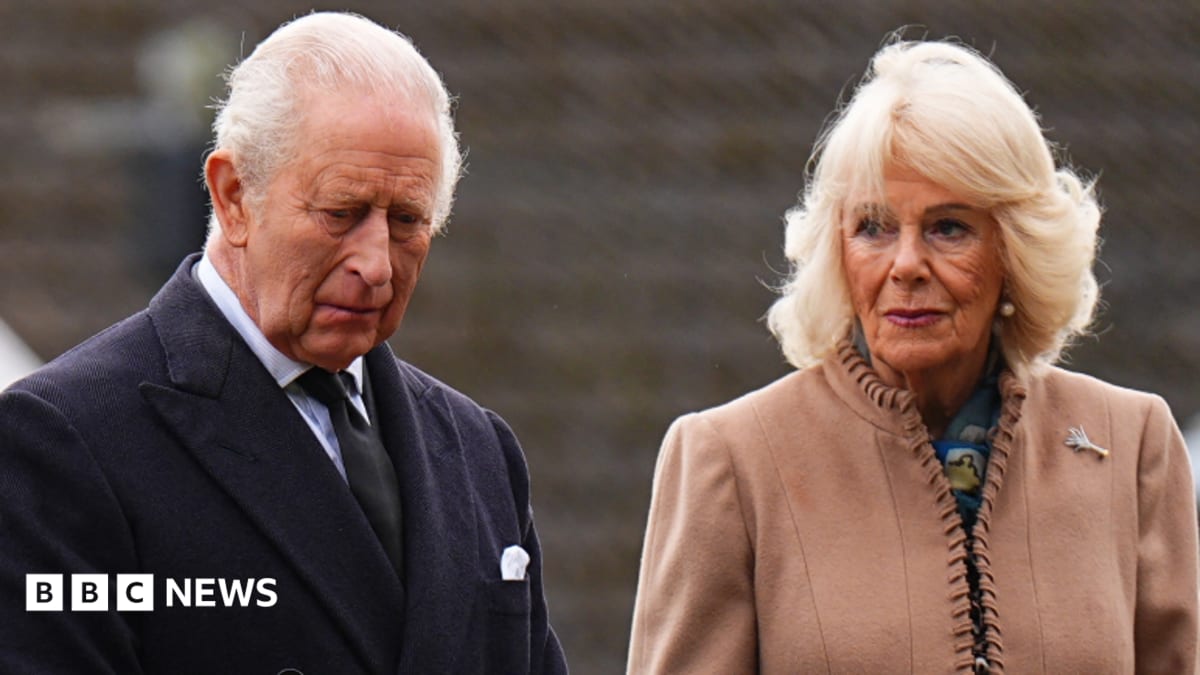
King Charles III and the Royal Family marked the 60th anniversary of the Aberfan disaster, which claimed 144 lives. Survivors shared harrowing accounts of the 1966 coal tip collapse that devastated the village of Aberfan.
Remembering the Aberfan Tragedy: Six Decades Later
On October 21, 1966, the village of Aberfan near Merthyr Tydfil, South Wales, suffered one of the most harrowing industrial catastrophes in modern history. A massive colliery spoil tip, saturated by heavy rain, collapsed and sent a deluge of coal slurry crashing into Pantglas Junior School and surrounding homes. The tragedy resulted in the deaths of 116 children and 28 adults, forever altering the social fabric of the mining community. Sixty years later, the nation pauses to reflect on this profound loss.
The Royal Commemoration
In a solemn tribute, King Charles III, accompanied by Queen Camilla and the Prince of Wales, visited the Aberfan Memorial Garden—the site where the school once stood. By laying wreaths and meeting with the last surviving teacher from that day, the Royal Family acknowledged the enduring pain of the bereaved. The King’s description of the event as the "most tragic of days imaginable" highlights the lingering scars left on the collective consciousness of Wales and the United Kingdom.
Survivors' Harrowing Accounts
The gravity of the event is best understood through the testimonies of those who were children at the time. Survivors have recounted the terrifying transition from a normal school morning to a scene of total destruction. Descriptions of a "tremendous sound" like a hurricane, followed by the sudden intrusion of black slurry into classrooms, illustrate the swiftness and brutality of the disaster. Survivors recall the confusion of waking up buried under rubble, the immediate realization of the loss of classmates, and the desperate efforts to find help amidst the ruins.
The Unconquerable Spirit of Aberfan
Beyond the sorrow, the commemoration serves to honor the "unconquerable spirit" of the community. In the wake of the disaster, the village faced the unimaginable task of burying its children, a process that required immense communal resilience. The King’s tribute specifically recognized this strength, acknowledging that while the physical school was destroyed, the identity and solidarity of the survivors have served as a testament to human endurance in the face of absolute adversity.
Historical and Social Implications
The Aberfan disaster remains a potent symbol of the dangers of industrial negligence. The collapse of the colliery spoil tip became a focal point for debates regarding safety standards in the coal mining industry and government accountability. The event fundamentally changed how mining waste was managed, leading to stricter regulations to prevent future catastrophes. It serves as a permanent historical reminder of the high cost of industrial progress when safety is sidelined.
Looking Toward the Future
As we look back six decades later, the anniversary provides a moment for both mourning and education. It ensures that the memory of the 144 lives lost is not forgotten, while simultaneously emphasizing the necessity of vigilance in infrastructure and environmental safety. The legacy of Aberfan is one of tragic remembrance, but also one of transformation, ensuring that the lessons learned from that dark October day continue to protect future generations.