Curfew imposed in parts of central Paris and other cities after rioting across France
Source Entity
BBC News
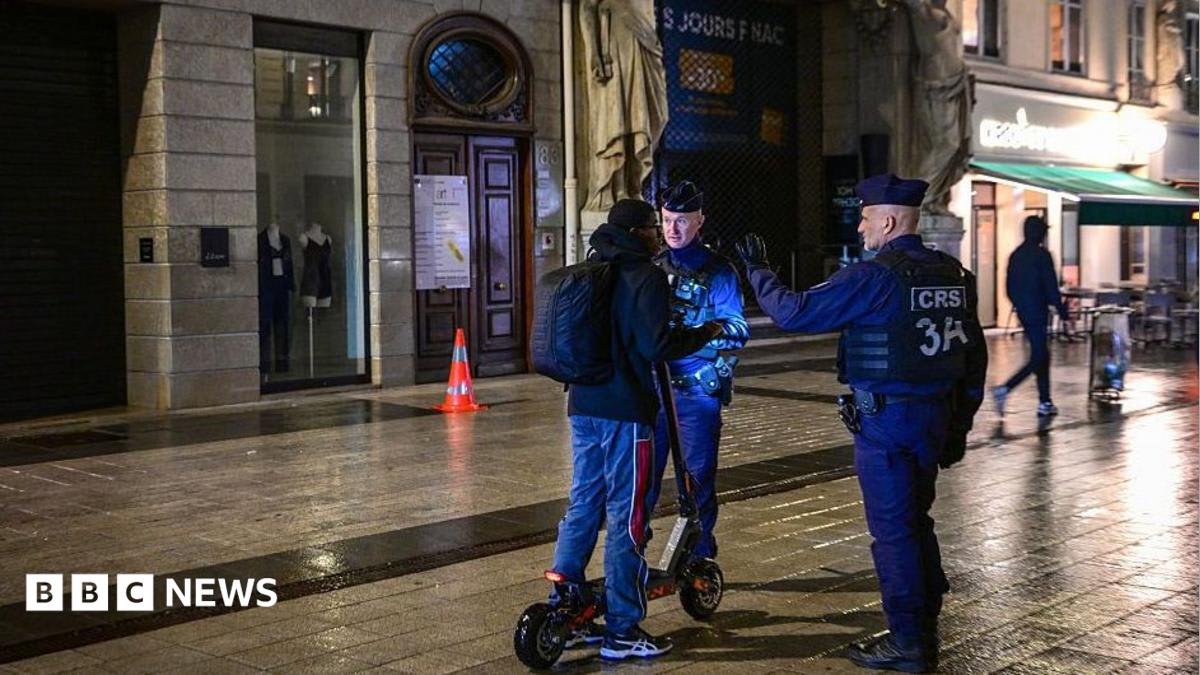
France has implemented partial curfews and ramped up security following widespread civil unrest over rising living costs. With over 2,400 arrests and 1,000 police injuries, the government is struggling to balance public order with ongoing social grievances.
Escalating Civil Unrest in France: An Analysis
The Roots of the Crisis
France is currently grappling with a significant wave of civil unrest triggered by mounting public frustration over the rising cost of living and the quality of public services. What began as a series of demonstrations against economic pressures, including surging fuel prices, has rapidly devolved into widespread violence, looting, and property damage across several major cities. The intensity of these protests has forced the French government to take drastic measures to restore order and protect public infrastructure.
Government Response and Security Measures
In response to the chaos, Prime Minister Sébastien Lecornu has authorized local authorities to implement partial curfews in affected areas. This tactical decision aims to curb nocturnal violence, which has seen rioters target city halls, public offices, and commercial establishments. The state’s firm stance is further underscored by a massive security crackdown, resulting in over 2,400 arrests nationwide. This massive detention rate reflects the government's attempt to regain control in an increasingly volatile environment.
Political Pressure and Internal Tensions
President Emmanuel Macron has reaffirmed his support for Interior Minister Laurent Nuñez, despite growing public and political scrutiny regarding the efficacy of police control during these clashes. The situation has become a litmus test for the administration's ability to manage domestic stability. With reports indicating that nearly 1,000 police officers have been injured over the course of just two days, the strain on French security forces is unprecedented, raising questions about the sustainability of current policing strategies.
Broader Implications for Social Policy
The unrest highlights a deepening divide between the French populace and the state regarding economic policy. When citizens view public services as inadequate and the cost of living as insurmountable, the breakdown of civil order often follows. The current riots are not merely isolated incidents of looting; they represent a systemic failure to address the grievances of a segment of the population feeling marginalized by current economic trends. The government now faces the dual challenge of suppressing violence while simultaneously addressing the underlying economic triggers to prevent further radicalization.
Future Outlook and Stability
As the government weighs the possibility of declaring a broader state of emergency, the trajectory of these protests remains uncertain. The immediate future will likely see a continued heavy police presence and potential expansion of curfew zones. For the administration, the path forward requires a delicate balance: enforcing the rule of law to protect property and personnel, while effectively communicating with a frustrated public to de-escalate tensions before they result in further injuries or long-term structural damage to the nation's social fabric.
Multiple Citing Sources