Russian spacecraft maneuvers in "extreme proximity" to satellite used by Ukraine
Source Entity
Stephen Clark
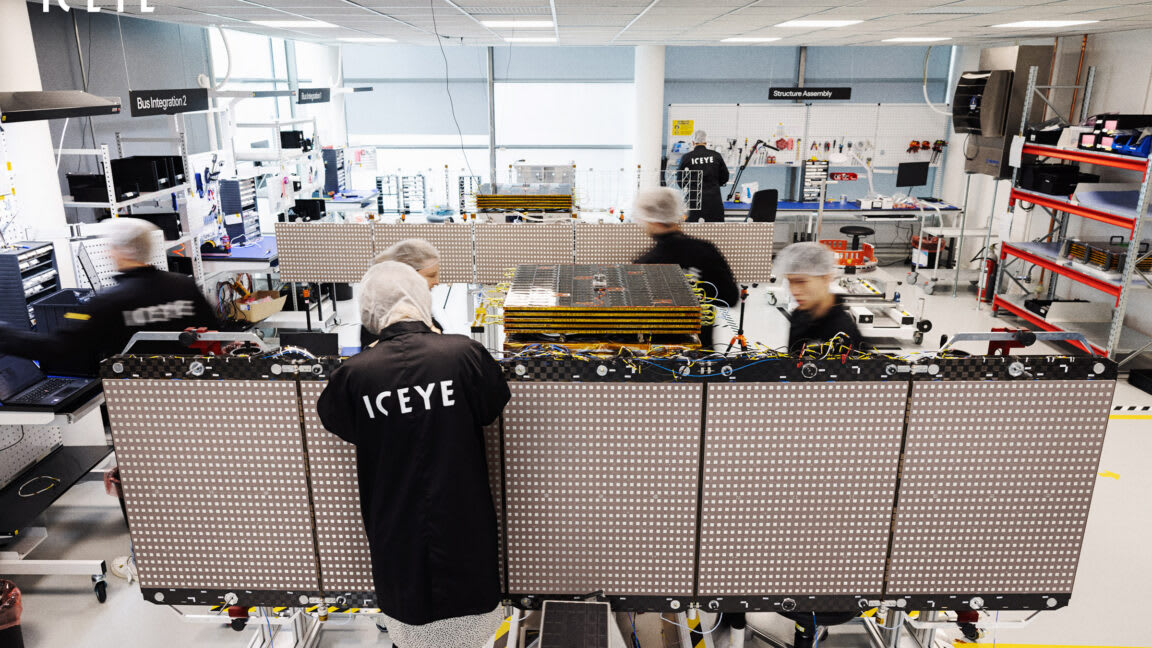
A Russian military satellite, Kosmos 2612, recently performed an unprecedented, unsanctioned rendezvous with a US-operated ICEYE-X36 imaging satellite. This maneuver, monitored by LeoLabs, marks a significant escalation in orbital tension and potential threats to commercial space assets.
The Escalation of Orbital Maneuvers
The recent activity involving the Russian military satellite Kosmos 2612 and the U.S.-operated ICEYE-X36 commercial imaging satellite represents a significant shift in the security landscape of low-Earth orbit (LEO). According to orbital intelligence firm LeoLabs, Kosmos 2612 executed a deliberate series of maneuvers, closing a distance of hundreds of kilometers to reach extreme proximity with the ICEYE-X36 satellite. This event is being characterized as the first known instance of an unsanctioned rendezvous in orbit, signaling a potential new frontier for geopolitical friction.
The Mechanics of the Encounter
Following its launch in April from a Russian spaceport via a Soyuz rocket, Kosmos 2612 was closely monitored by both U.S. military officials and independent analysts. The satellite's behavior became a point of concern within weeks of its deployment. The encounter with ICEYE-X36 was not a coincidental flyby; rather, the Russian craft actively maneuvered around the commercial satellite and maintained a stationary presence nearby for an extended duration before departing. This pattern of behavior suggests a sophisticated capability for rendezvous and proximity operations (RPO) that is rarely displayed in such an aggressive, unsanctioned manner.
Implications for Commercial Space Assets
This incident highlights the increasing vulnerability of commercial space infrastructure. ICEYE-X36 is part of a growing constellation of Earth-imaging satellites that provide vital data for various sectors, including defense and intelligence. The ability of a state-owned military satellite to shadow a private asset raises serious questions about the safety of commercial operations in space. By targeting a U.S.-operated satellite, the maneuver tests the boundaries of international norms governing orbital behavior and poses a direct challenge to the security of private firms operating in the LEO domain.
Geopolitical Context and Escalation
The timing of this maneuver, particularly given the ongoing tensions regarding the conflict in Ukraine, underscores the dual-use nature of modern space technology. While space has historically been a domain for scientific cooperation, the integration of commercial imaging data into military decision-making has transformed satellites like ICEYE-X36 into strategic assets. The Russian military's focus on this specific satellite suggests a clear intent to monitor, or potentially disrupt, the intelligence-gathering capabilities that support Western interests.
Future Trends in Orbital Security
As space becomes increasingly crowded, the frequency of such maneuvers is likely to rise. This incident serves as a precursor to a future where orbital space is contested. Future trends will likely involve increased investments in Space Situational Awareness (SSA) and the development of defensive measures for commercial satellites. The international community will face mounting pressure to establish clearer rules of the road for space operations to prevent accidental collisions or intentional interference, as the precedent set by Kosmos 2612 makes the current environment significantly more precarious for all satellite operators.