Amid Unrest In France, Trump Says 'Paris Will Be Muslim City Very Soon'
Source Entity
NDTV News Search Records Found 1000
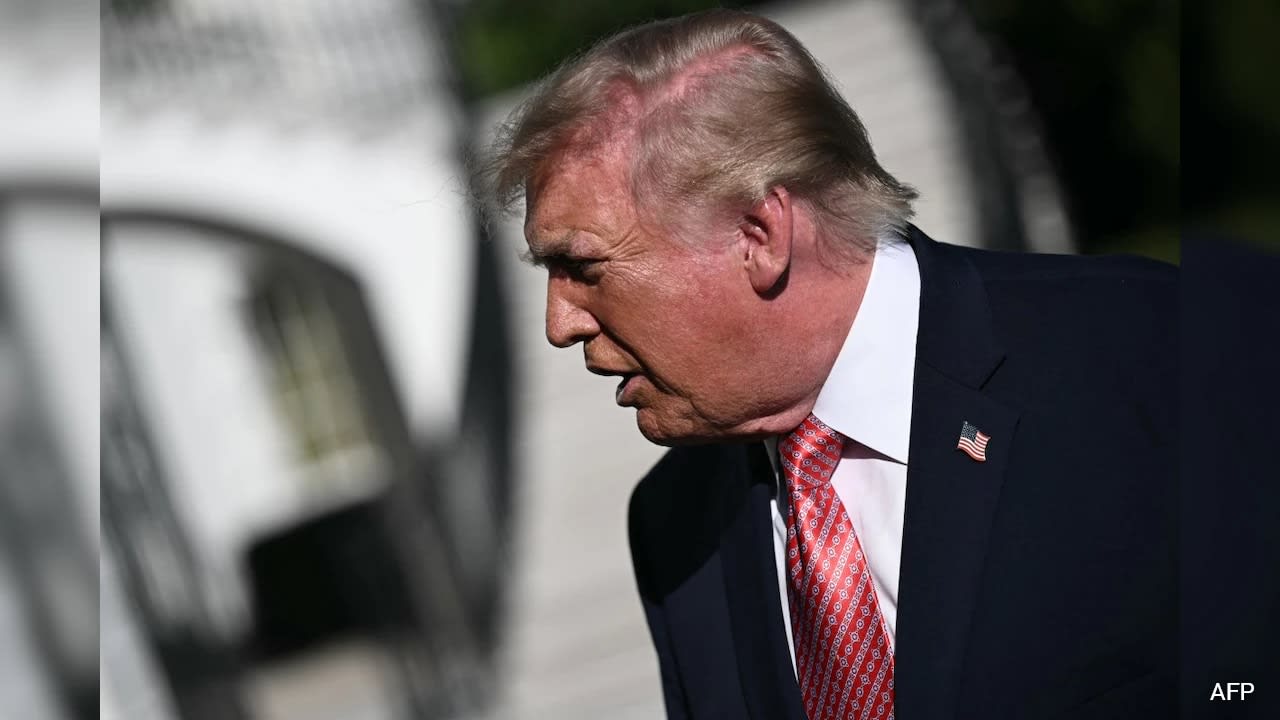
Former President Donald Trump has linked ongoing civil unrest in France to immigration policies, urging President Emmanuel Macron to tighten border controls. The unrest has resulted in thousands of arrests and significant damage to businesses across French cities.
The Intersection of Global Unrest and Immigration Policy
Recent developments in France have sparked international commentary, most notably from former U.S. President Donald Trump, who has publicly attributed the ongoing domestic turmoil to immigration policies. As French authorities struggle to manage widespread protests, the discourse has shifted from local grievances regarding living costs and education to broader debates on national security and border integrity.
The Scale of Domestic Instability
The protests in France have reached a level of severity that has forced the government to implement stringent measures, including overnight curfews in Paris and various other urban centers. The physical toll of this unrest is substantial; reports indicate that at least 2,400 individuals have been arrested in connection with the violence. Furthermore, the economic impact is significant, with an estimated 3,000 businesses suffering damage or looting during the height of the demonstrations.
Trump’s Stance on French Policy
In remarks delivered from the White House, Donald Trump explicitly rejected the notion that the protests were rooted in domestic issues like education or economic policy. Instead, he framed the crisis as a direct consequence of immigration. His rhetoric, including the assertion that Paris is at risk of becoming a "Muslim city," serves as a stark critique of the current French administration's approach to border management. He has specifically urged President Emmanuel Macron to "close up your borders" as a primary solution to the disorder.
Contextualizing the Protests
While Trump’s analysis focuses heavily on the immigration angle, French authorities have documented that the initial triggers for the demonstrations were multifaceted. Protesters have cited frustrations over the rising cost of living, fuel price hikes, and systemic issues within the educational framework. The intersection of these economic pressures with the government’s response has created a volatile environment that has proven difficult to contain through traditional law enforcement methods.
Broader Implications and Future Trends
The situation in France highlights a growing tension between nationalist security rhetoric and the complexities of modern European governance. By positioning immigration as the singular cause of the unrest, international observers like Trump are influencing the global narrative surrounding European stability. Moving forward, the effectiveness of the French government's response—balancing the restoration of public order with the need to address the underlying economic grievances—will serve as a bellwether for how other nations manage similar domestic crises in an era of polarized political discourse.
Conclusion
The ongoing conflict in France remains a focal point for international political debate. Whether the unrest is primarily a reaction to economic hardship or a symptom of deeper demographic and integration challenges, the events have undeniably strained the social fabric of the nation. As curfews remain in effect and the recovery of damaged businesses begins, the political fallout from these events will likely continue to inform the debate on border security and domestic policy for the foreseeable future.
Verification Required?