Abhishek Banerjee’s dare to rebels: ‘Return and I will quit party posts within one hour’
Source Entity
Ravik Bhattacharya
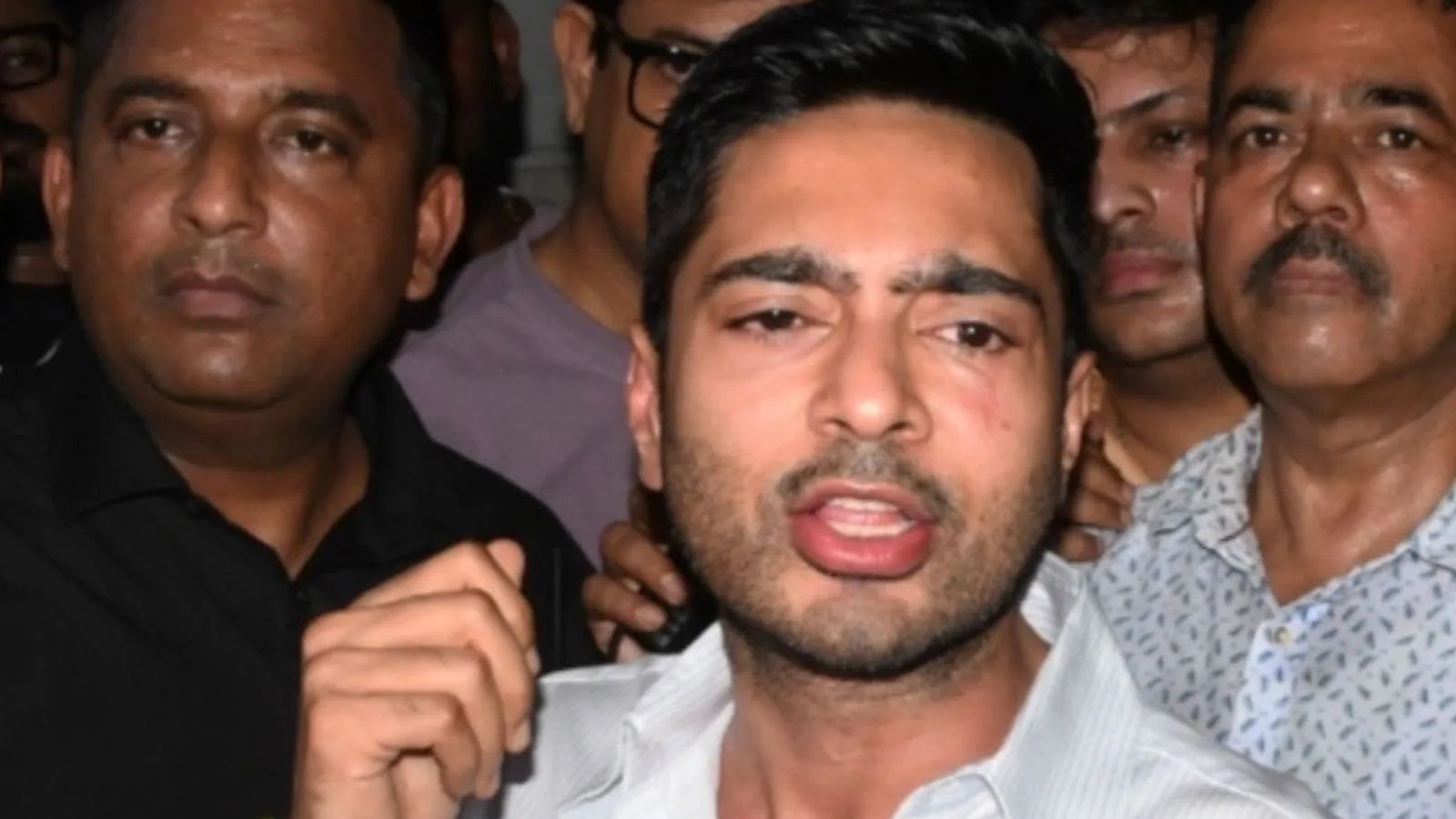
TMC leader Abhishek Banerjee has challenged defecting party members to return to Mamata Banerjee, pledging to resign within an hour if they do. He alleges the rebels have struck deals with the BJP to secure protection from central investigative agencies.
Internal Strife and Bold Gambles: Analyzing Abhishek Banerjee's Challenge to TMC Rebels
The Trinamool Congress (TMC) is currently navigating a period of significant organizational instability, characterized by a wave of defections and internal dissidence. At the center of this storm is the party's National General Secretary, Abhishek Banerjee, who has recently issued a high-stakes dare to former colleagues. By pledging to resign from his party posts within a single hour should any rebels return to the fold of TMC supremo Mamata Banerjee, Abhishek is attempting to shift the narrative from one of party weakness to one of personal accountability and political courage.
The 'Resignation' Gambit and Internal Friction
This bold challenge is not merely a gesture of confidence but a strategic response to the criticism Abhishek has faced from within his own camp. The rebels and turncoats have pointedly blamed him for the party's current woes, specifically citing alleged corruption and a flawed poll strategy as the primary drivers of their dissatisfaction. By offering his resignation as a condition for their return, Abhishek is effectively calling their bluff, suggesting that their grievances are not based on ideological differences or party welfare, but on opportunistic motives.
The Agency Protection Narrative
Central to Abhishek Banerjee's argument is the allegation that the defectors have entered into clandestine agreements with the Bharatiya Janata Party (BJP). According to Banerjee, these individuals are not leaving due to internal party disputes but are seeking "protection" from central investigative agencies such as the Enforcement Directorate (ED) and the Central Bureau of Investigation (CBI). This narrative frames the defections as acts of cowardice and survival rather than political dissent. To strengthen his position, Abhishek highlighted his own experience, noting that while he has faced multiple summons from these agencies, he has remained steadfast and has not "run away," thereby contrasting his resilience with the perceived fragility of the rebels.
Post-Election Fallout and Organizational Crisis
This crisis is deeply rooted in the aftermath of the West Bengal Assembly elections, where the TMC suffered a defeat two months prior. Such a result typically triggers a period of introspection and finger-pointing within a political organization. In this instance, the defeat acted as a catalyst for a wave of defections, as disgruntled members sought new alliances. The current friction suggests a fragmented party structure where the leadership's strategy is being openly questioned by those who once served in its ranks, leading to a volatile environment of mutual distrust.
Strategic Implications and Future Outlook
Looking forward, this public confrontation indicates a "hardline" approach by the TMC leadership to deal with dissent. By framing the rebels as BJP collaborators, Abhishek is attempting to delegitimize their criticisms and insulate Mamata Banerjee from the fallout of the Assembly election defeat. However, this strategy is risky; if the wave of defections continues despite these challenges, it may signal a deeper systemic failure within the party's organizational framework that cannot be solved by rhetoric alone.
Summary of the Political Standoff
In conclusion, Abhishek Banerjee's challenge serves as a critical inflection point for the Trinamool Congress. It encapsulates the broader struggle between the party's central leadership and its dissenting elements in the wake of electoral failure. Whether this move succeeds in stemming the tide of defections or further alienates remaining skeptics remains to be seen, but it clearly defines the current conflict as a battle over loyalty, legal vulnerability, and the future direction of the party in West Bengal.
Multiple Citing Sources