Before Sonam Wangchuk, a look at India’s iconic fasts: Gandhi, Bhagat Singh to Sriramulu, Irom Sharmila
Source Entity
Vikas Pathak
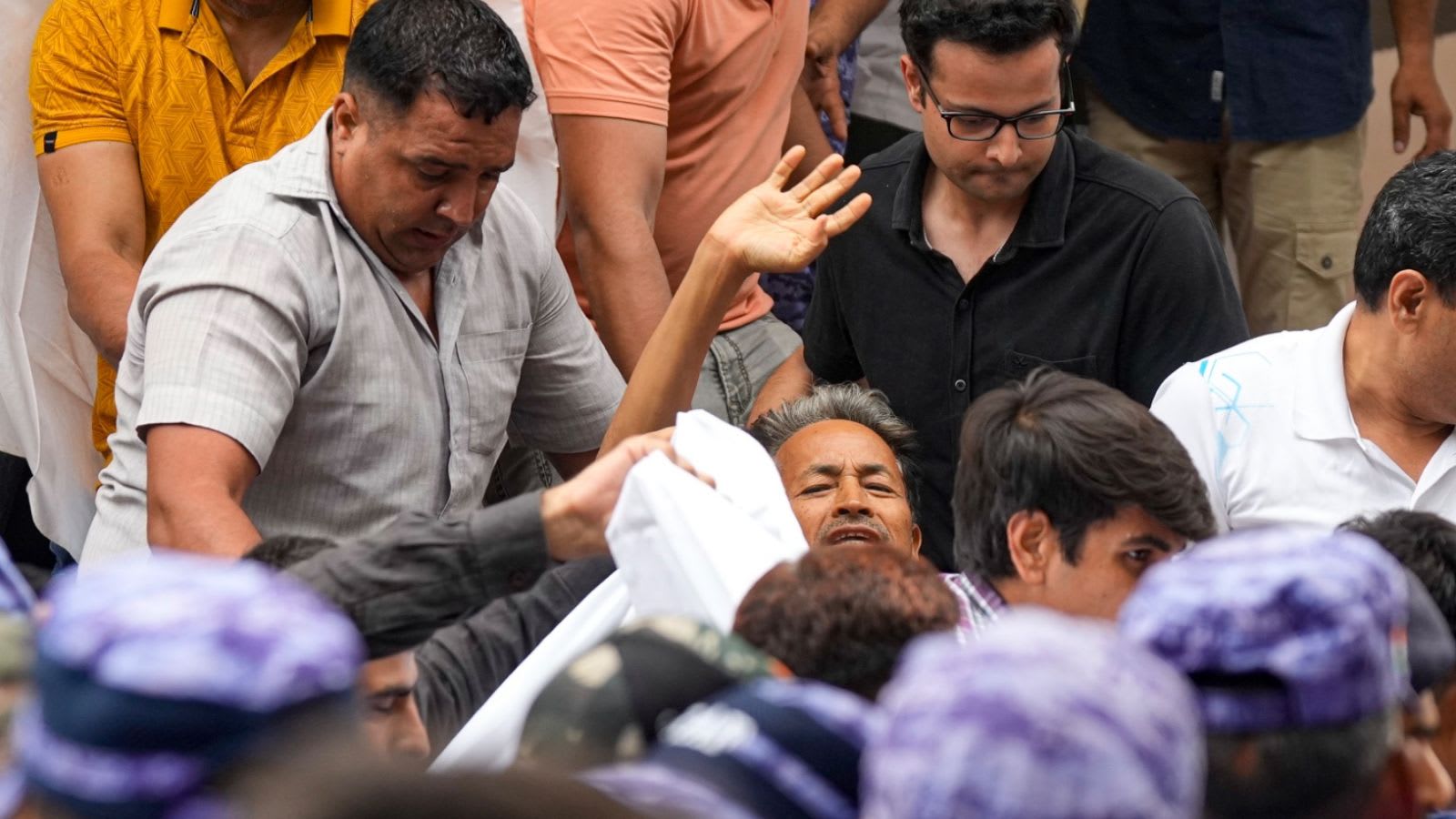
Climate activist Sonam Wangchuk has been moved to Safdarjung Hospital following a 21-day hunger strike. His family has demanded strict medical consent protocols while protests, including those involving the Cockroach Janta Party, continue in Delhi.
The Hospitalization of Sonam Wangchuk: A Critical Turning Point
On July 18, 2026, the ongoing protest led by educator and climate activist Sonam Wangchuk reached a critical juncture when Delhi Police intervened to shift him to Safdarjung Hospital. Having completed 21 days of an indefinite hunger strike, Wangchuk’s deteriorating physical condition prompted the Delhi High Court and medical experts to mandate his transfer for essential care. This development marks a significant escalation in a protest movement that has garnered national attention for its persistence and the unconventional nature of its supporters.
The Intersection of Protest and Policy
The intervention by the Delhi Police, while framed as a necessary measure for medical preservation, highlights the complex friction between civil disobedience and state authority. According to the New Delhi Deputy Commissioner of Police’s office, the decision was strictly based on expert medical advice to prevent a life-threatening health crisis. However, the presence of various groups at the Jantar Mantar site, including the 'Cockroach Janta Party,' underscores the broadening base of support for Wangchuk’s cause, transforming a singular activist's hunger strike into a broader sociopolitical spectacle.
Concerns Over Medical Autonomy
The situation took a sensitive turn when Gitanjali J. Angmo, Wangchuk’s wife, issued a public demand regarding his treatment. By insisting that no oral or intravenous medication be administered without the explicit consent of his family and personal medical team, she has highlighted a critical concern regarding the autonomy of protesters who are taken into state custody for medical reasons. This demand serves as a safeguard against the potential misuse of medical intervention to forcibly end a peaceful protest.
The Role of Digital Satire in Modern Activism
Perhaps the most unique aspect of this movement is the involvement of the 'Cockroach Janta Party.' Originally a social media satire movement, its evolution into a tangible force at the Jantar Mantar protest site demonstrates how digital discourse can catalyze physical mobilization in India. The reported allegations of lathi-charges against students associated with this group suggest that the state is struggling to categorize or contain this decentralized, tech-savvy form of dissent.
Future Implications for Civil Disobedience
As Wangchuk remains under medical supervision, the future of his protest remains uncertain. The 21-day duration of his hunger strike has already established him as a symbol of endurance, yet the shift to a hospital setting forces the movement to transition from a physical presence at a protest site to a more complex political negotiation. Whether this leads to a resolution of the underlying issues or further polarization depends on how the state balances its duty to protect life with the democratic right to dissent.
Summary of the Current Situation
In conclusion, the hospitalisation of Sonam Wangchuk is not merely a health update but a pivotal moment in a high-stakes protest. With his vitals currently reported as stable and the activist remaining conscious, the focus now shifts to the transparency of his medical treatment and the broader political reaction to his detention. The coming days will likely reveal whether this state intervention effectively neutralizes the protest or provides the momentum for a new phase of advocacy.
Multiple Citing Sources