Opposition stages walkout from all-party meeting over Centre’s invite to TMC rebels
Source Entity
Asad Rehman
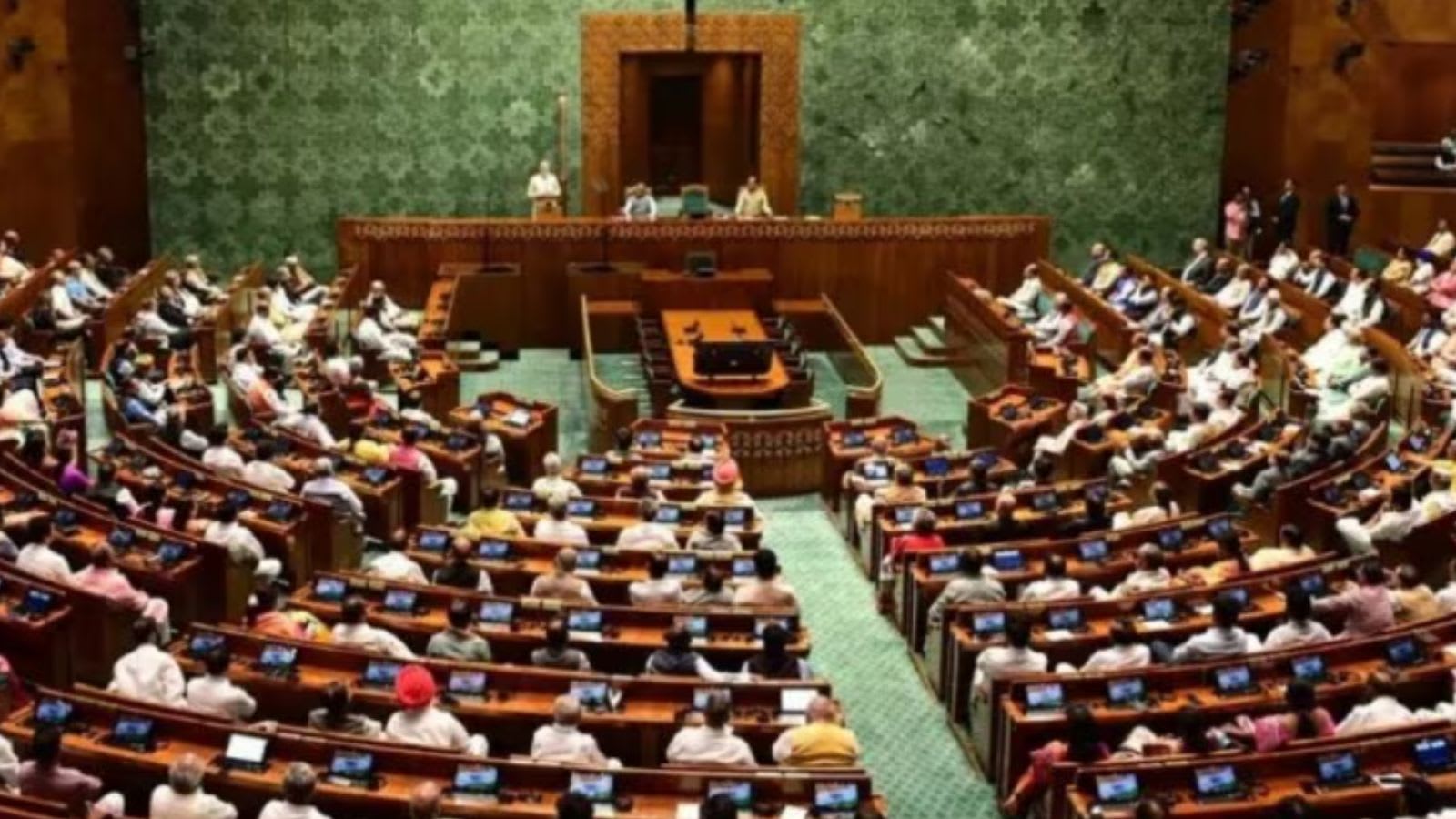
Opposition parties staged a walkout from an all-party meeting ahead of Parliament's Monsoon Session. The protest was triggered by the government's decision to invite rebel TMC MPs who are merging with the unrecognized Nationalist Citizens Party of India (NCPI).
Political Deadlock: Opposition Walkout Ahead of Monsoon Session
In a significant display of dissent, a broad coalition of opposition parties staged a walkout from the all-party meeting convened on Sunday. This meeting, intended to set the stage for the upcoming Monsoon Session of Parliament beginning Monday, instead became a flashpoint for political conflict. The catalyst for this dramatic exit was the government's decision to extend an invitation to a rebel faction of the Trinamool Congress (TMC), a move perceived by the opposition as a strategic attempt to undermine the cohesion of established political entities.
The Catalyst: The NCPI Controversy
The core of the dispute lies in the status of the rebel TMC MPs and their association with the Nationalist Citizens Party of India (NCPI). According to TMC MP Mahua Moitra, the NCPI is an unrecognized and "little known" party. The fact that the government granted this faction a seat at the all-party meeting—a forum typically reserved for recognized political parties and established leaders—has been viewed as an endorsement of internal party splits. By legitimizing a faction that is actively merging with an unrecognized entity, the government is seen as rewarding political defection over party loyalty.
A Unified Opposition Front
The scale of the walkout underscores a rare moment of synchronization among diverse opposition ideologies. Congress MP Jairam Ramesh and Mahua Moitra confirmed that the exit was not limited to the TMC, but included a wide array of partners: the DMK, Aam Aadmi Party (AAP), Samajwadi Party, JMM, National Conference, the Left parties, and Shiv Sena (UBT). This collective action suggests that the opposition views the government's tactic of engaging with rebels not just as an affront to the TMC, but as a systemic threat to the stability of all opposition parties within the parliamentary framework.
Strategic Implications of Government Outreach
From an analytical perspective, the government's invitation to the TMC rebels can be interpreted as a "divide and rule" strategy. By providing a platform to dissidents, the ruling administration effectively weakens the bargaining power of the main opposition bloc. This tactic creates internal friction within parties like the TMC, forcing leadership to spend more energy managing internal rebellions than focusing on legislative scrutiny. The invitation signals that the government is willing to bypass traditional party hierarchies to engage with fragmented elements of the opposition.
Historical Context and Parliamentary Norms
All-party meetings are traditionally designed to foster consensus and ensure the smooth functioning of Parliament by discussing the agenda and potential points of contention before the session begins. Historically, a walkout from such a meeting is a grave signal of a breakdown in communication. When the opposition refuses to participate in these preliminary discussions, it typically heralds a session characterized by volatility, frequent disruptions, and a lack of bipartisan cooperation on critical bills.
Future Outlook for the Monsoon Session
Given the hostile atmosphere established by this walkout, the Monsoon Session is likely to be marked by intense confrontation. The opposition is expected to use the floor of the House to protest the government's treatment of party dissidents and the perceived erosion of democratic norms. We can predict a session filled with adjournments and heated debates, as the opposition seeks to consolidate its image as a unified force against the government's tactical maneuvers. The tension surrounding the NCPI merger will likely serve as a recurring theme in the legislative battles to come.
Summary
The walkout by a wide spectrum of opposition parties over the inclusion of TMC rebels in the all-party meeting reflects a deep-seated mistrust between the government and the opposition. By prioritizing a rebel faction merging with the unrecognized NCPI, the government has effectively alienated its primary critics just as the Monsoon Session begins, ensuring a volatile and contentious parliamentary environment.
Multiple Citing Sources