TMC MP Abhishek Banerjee moves Supreme Court seeking permission to travel abroad for eye treatment
Source Entity
India Latest News: Top National Headlines Today & Breaking News | The Hindu
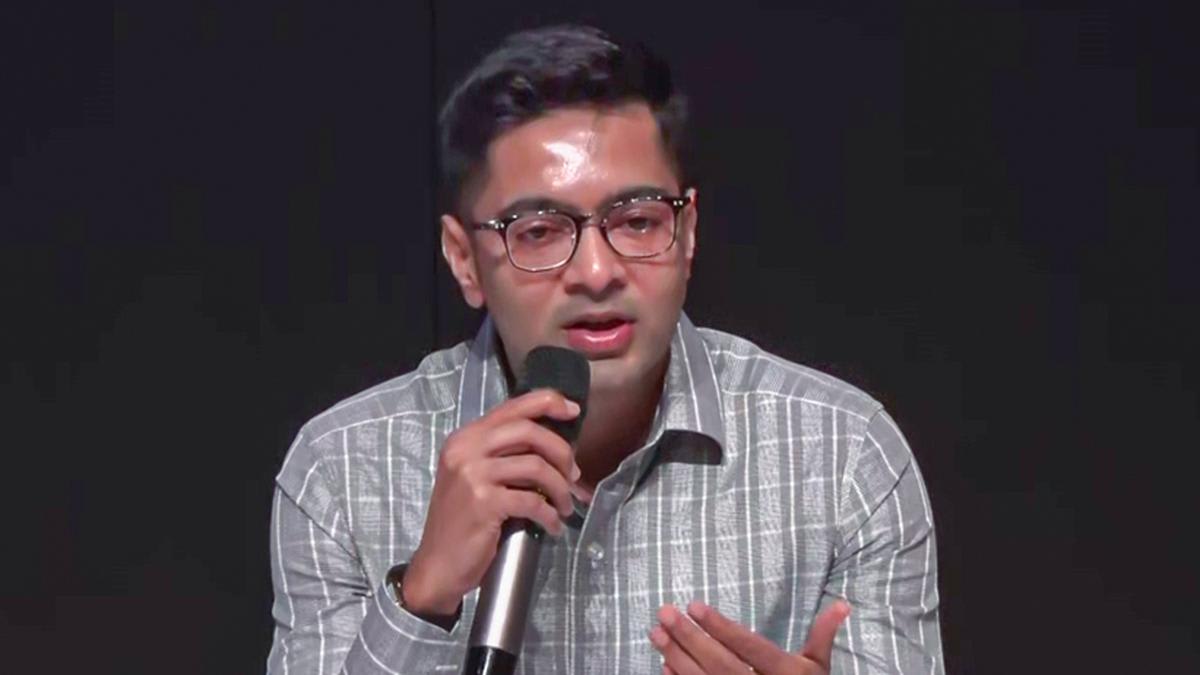
TMC MP Abhishek Banerjee has appealed to the Supreme Court after the Calcutta High Court denied his request to travel abroad for medical treatment. The High Court cited the ongoing investigation and the availability of local medical facilities as reasons for its refusal.
Legal Standoff: Abhishek Banerjee's Supreme Court Appeal
Trinamool Congress (TMC) MP Abhishek Banerjee has officially approached the Supreme Court of India, seeking to overturn a July 20 order by the Calcutta High Court that denied him permission to travel abroad for medical treatment. The core of this legal dispute centers on Mr. Banerjee’s desire to seek eye treatment overseas, which has been blocked by judicial oversight amid ongoing investigations.
The High Court's Stance on Travel Restrictions
Justice Saugata Bhattacharyya of the Calcutta High Court previously ruled that the petitioner should not travel abroad while a formal investigation is underway. The court emphasized the availability of reputable eye care facilities within Kolkata, suggesting that the medical necessity for international travel was not sufficiently urgent to override the requirements of the legal probe. This decision underscores the judiciary's insistence on ensuring that individuals under investigation remain accessible to law enforcement agencies.
Context of the Ongoing Investigation
This travel restriction is linked to a broader legal challenge involving Mr. Banerjee. The Calcutta High Court has granted him interim protection from coercive action, which was extended to October 6, regarding allegations of intimidatory statements made during the West Bengal Assembly election campaign. The condition for this protection remains his full cooperation with the investigative process, which includes the strict prohibition on leaving the country without prior court authorization.
Judicial Discretion and Procedural Compliance
By moving the Supreme Court, Mr. Banerjee is testing the limits of judicial discretion regarding the rights of an individual under investigation versus the state's interest in maintaining a seamless probe. The Supreme Court will now have to determine whether the High Court’s refusal to permit travel constitutes an unreasonable restriction on the petitioner's rights or if the preservation of the investigation's integrity takes precedence.
Broader Implications for Political Figures
This case highlights the recurring friction between high-profile political figures and the legal system. When politicians are subjected to investigations, their freedom of movement often becomes a contentious legal battleground. The Supreme Court’s eventual ruling will serve as an important precedent for how courts balance medical needs against the necessity of ensuring that subjects of investigations remain within the jurisdiction of the law.
Future Trends in Judicial Oversight
As the matter awaits listing before the Supreme Court, the outcome will likely reflect ongoing trends in Indian jurisprudence regarding the 'flight risk' assessment of public figures. The judiciary continues to assert that medical treatment, while a fundamental right, must be balanced against the duty to cooperate with law enforcement. The resolution of this case will be closely watched by legal observers as it pertains to the standard protocols for granting or denying travel permissions to those under active investigation.
Verification Required?