Amid Jamia row, ABVP claims ‘Free Umar Khalid’, ‘Long Live Naxalbari’ slogans written on JNU walls, seeks action
Source Entity
Latest News: Todays Latest News Headlines from India & World | Hindustan Times | Hindustan Times
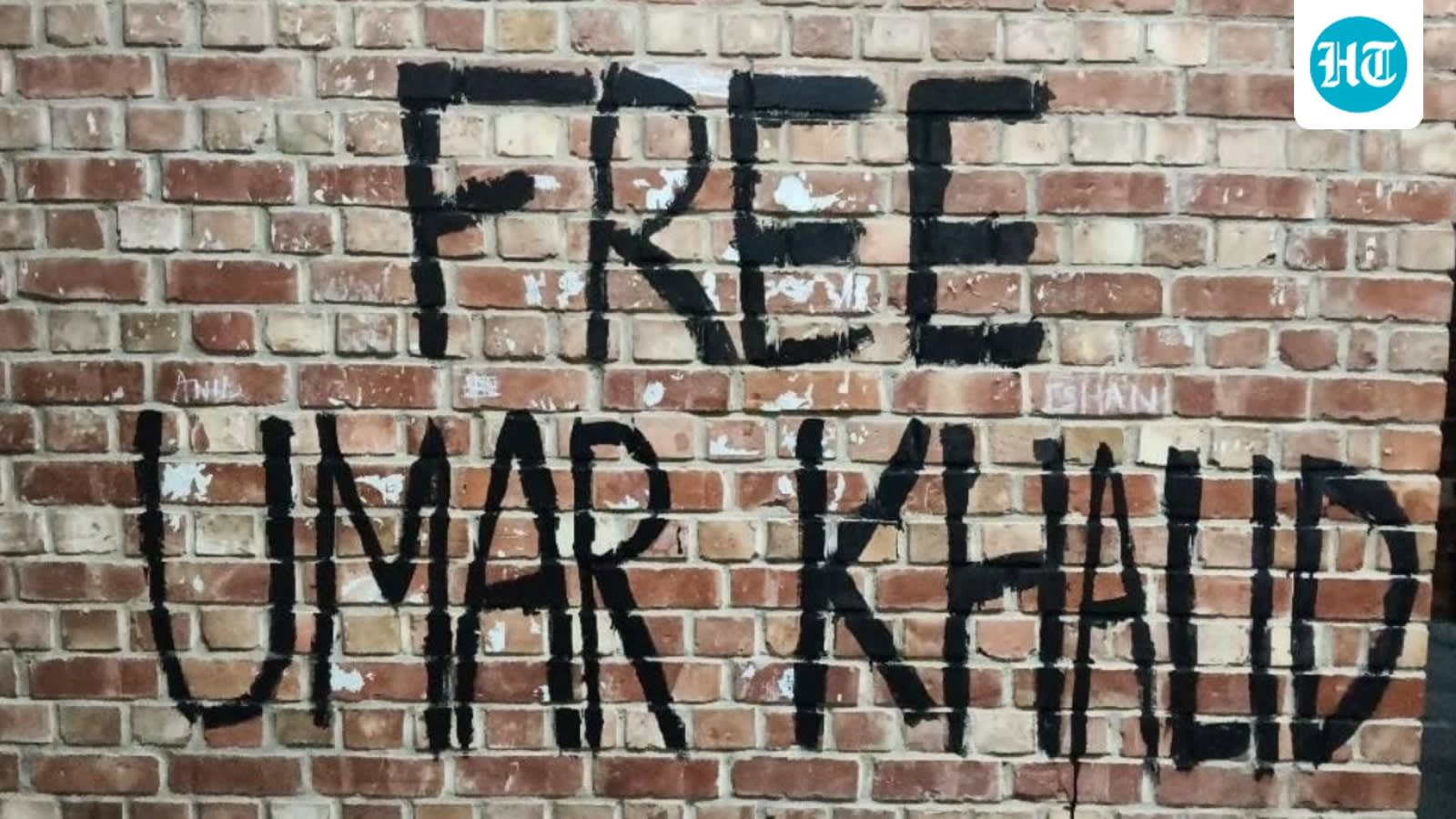
The ABVP has reported the appearance of controversial slogans and defacement of a VD Savarkar portrait at JNU. This incident follows similar graffiti found at Jamia Millia Islamia, prompting calls for administrative action.
Tensions Escalate: Graffiti Incidents at JNU and Jamia
The Akhil Bharatiya Vidyarthi Parishad (ABVP) has formally alleged that provocative slogans, including "Free Umar Khalid" and "Long Live Naxalbari," were painted on the walls of Jawaharlal Nehru University (JNU). These claims, which include the reported defacement of a portrait of VD Savarkar, mark a significant escalation in campus tensions. The incident is not isolated, as it follows a similar pattern of graffiti observed at Jamia Millia Islamia University just two days prior.
The Intersection of Ideology and Vandalism
At the heart of this controversy is the clash between competing political ideologies represented by the slogans and the targeted iconography. The mention of Umar Khalid, a central figure in recent legal and political debates, combined with the historical reference to the Naxalbari movement, serves as a direct challenge to the nationalist framework often championed by the ABVP. The defacement of the VD Savarkar portrait further signifies an attempt to incite ideological friction, as Savarkar remains a polarizing historical figure whose legacy is central to the identity of right-wing student organizations.
Administrative Responsibility and Campus Discourse
In response to these developments, the ABVP has issued a public demand for the JNU administration to intervene. Their statement emphasizes that freedom of expression, while a fundamental tenet of university life, must be balanced with respect for public property and the existence of differing viewpoints. By calling for the identification and punishment of those responsible, the organization is pushing for a stricter enforcement of campus discipline to prevent what they characterize as provocation and confrontation.
Broader Implications for Academic Spaces
The recurrence of these incidents—first at Jamia Millia Islamia and now at JNU—suggests a coordinated or at least symptomatic trend of using university infrastructure as a canvas for political messaging. This shift away from traditional debate toward performative vandalism threatens the academic atmosphere of these institutions. When public property is used to facilitate such confrontations, it forces university administrations into a difficult position, balancing the protection of free speech against the need to maintain order and prevent the degradation of campus property.
Future Trends and Institutional Stability
Looking ahead, these events are likely to trigger increased surveillance and stricter administrative oversight within Delhi's major universities. If the pattern of graffiti continues, it may lead to a more polarized environment where student groups become increasingly entrenched in their respective camps. The demand for accountability highlights a growing trend where student organizations are utilizing digital platforms like X to document and amplify these incidents, thereby forcing institutional and public responses. Ultimately, the stability of these universities will depend on the administration's ability to foster a culture of respectful dialogue that transcends the current trend of reactive vandalism.
Verification Required?