Trump says US should prioritize migrants from Norway, Sweden over conflict-hit nations
Source Entity
Latest News: Todays Latest News Headlines from India & World | Hindustan Times | Hindustan Times
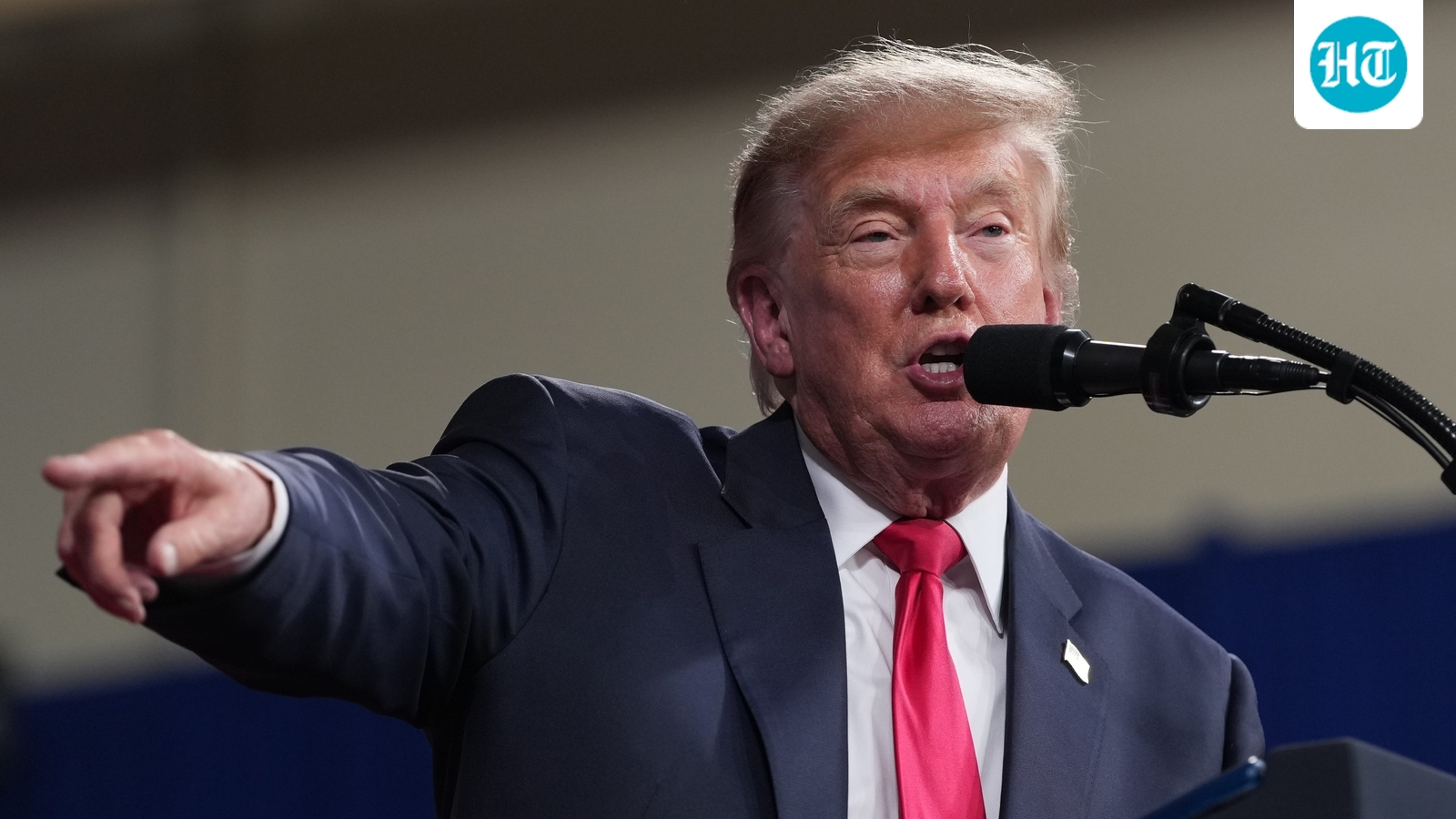
Donald Trump sparked controversy at a Georgia rally by questioning why the US accepts migrants from conflict-hit nations while suggesting a preference for immigrants from countries like Norway and Sweden. The remarks have reignited intense national debate over immigration policy and rhetoric.
The Rhetoric of Immigration: Analyzing Trump’s Recent Remarks
During a campaign rally in Perry, Georgia, on October 24, former President Donald Trump reignited a long-standing firestorm regarding U.S. immigration policy. By explicitly disparaging migrants from Libya, Yemen, Haiti, and Somalia, and contrasting them with individuals from Scandinavian nations like Norway and Sweden, Trump utilized inflammatory language to characterize certain regions as "terror-infested" or "shithouse countries." These comments serve as a focal point for understanding the populist approach to border control and national identity that has defined much of his political career.
The Historical Context of Selective Immigration
The preference for immigrants from specific European nations is not a new concept in American political discourse, but it has historically been associated with nativist movements. By questioning why the United States accepts individuals from regions facing significant conflict and instability, Trump is challenging the post-1965 immigration framework that moved away from national-origin quotas. His rhetoric suggests a return to a merit-based or origin-based selection process that prioritizes cultural or economic homogeneity over humanitarian considerations or the historical role of the U.S. as a refuge for those fleeing persecution.
Impact on Foreign Relations and Domestic Policy
Such comments carry profound implications for U.S. foreign policy and international reputation. Labeling nations like Haiti and Somalia as "terror-infested" complicates diplomatic relations and can alienate diaspora communities within the United States. Furthermore, these remarks signal a potential shift in future legislative priorities; if such a policy were implemented, it would represent a departure from the current system, which balances family reunification, employment-based immigration, and asylum protections for those in volatile regions.
The Polarization of Immigration Discourse
The reaction to these remarks highlights the deep-seated polarization within American politics. While some supporters find resonance in the idea of prioritizing "stable" nations, critics argue that these comments rely on xenophobic tropes that ignore the complex geopolitical reasons behind global migration. By using this language, Trump continues to frame immigration not just as a policy challenge, but as a cultural battle over the demographic future of the nation.
Predicting Future Trends in Immigration Policy
Looking ahead, this rhetoric sets the stage for a contentious debate in the upcoming election cycles. If the political climate continues to favor nationalist sentiment, we may see increased legislative attempts to restrict immigration from non-Western nations, potentially leading to legal battles regarding the constitutionality of origin-based preferences. The normalization of this discourse suggests that the debate over who "belongs" in the American social fabric will remain a primary driver of electoral strategy for years to come.
Conclusion
In summary, Donald Trump’s recent comments in Georgia are a continuation of his consistent stance on immigration. By contrasting Scandinavian nations with countries currently experiencing turmoil, he has ensured that immigration remains at the forefront of the national conversation. Whether these remarks will galvanize his base or alienate broader voting blocs remains to be seen, but they undoubtedly underscore the fundamental differences in how the American electorate views the country's role in global migration.
Verification Required?