Violent protests in Arunachal against Siang dam; MLAs’ homes looted, NHPC set ablaze
Source Entity
PRABIN KALITA AND JOKEN ETE
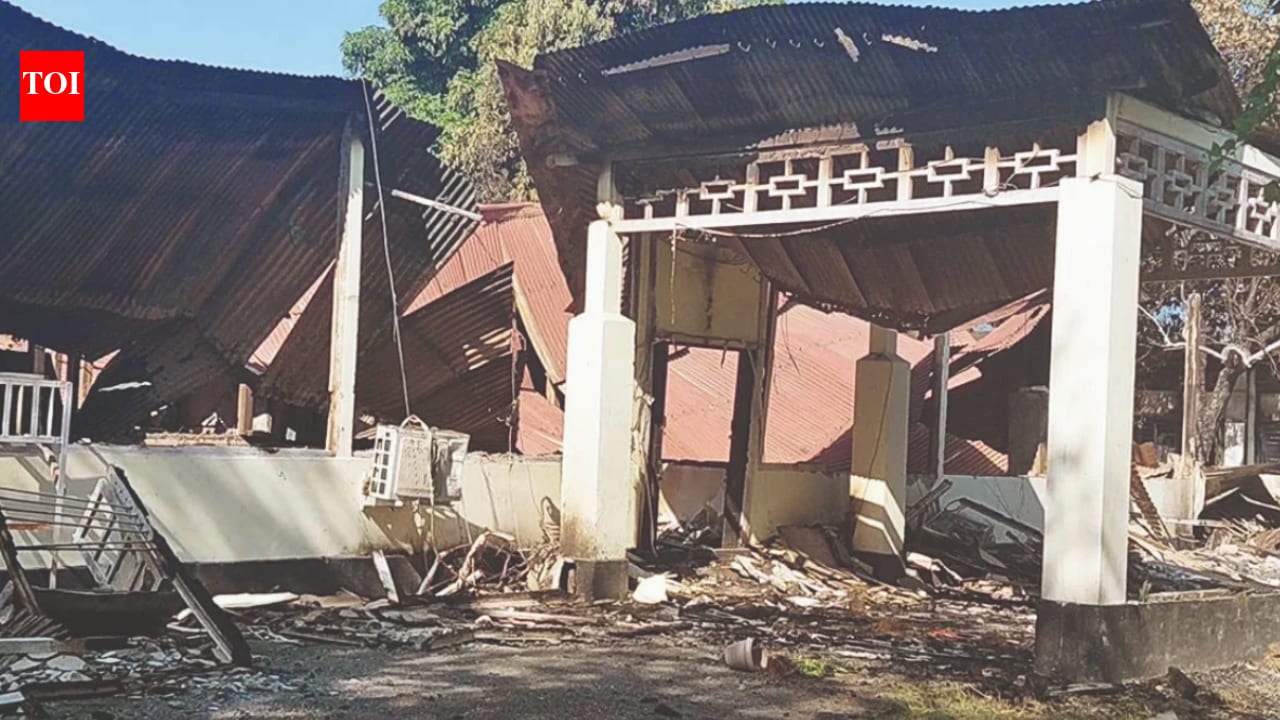
Violent protests erupted in Pasighat, Arunachal Pradesh, as demonstrators opposed the 11,200 MW Siang Upper Multipurpose Project. The unrest resulted in the destruction of government offices, the NHPC building, and attacks on political figures' homes, prompting calls for dialogue from Chief Minister Pema Khandu.
Escalating Tensions: The Siang Upper Multipurpose Project Crisis
The tranquility of Pasighat, Arunachal Pradesh, was shattered on Friday night as a 12-hour bandh—initially reported as peaceful—devolved into intense violence. Protesters, claiming to represent the 'Gen Z' demographic, mobilized against the proposed 11,200 MW Siang Upper Multipurpose Project (SUMP). The scale of the destruction is significant, with reports indicating that the National Hydroelectric Power Corporation (NHPC) office, a police station, and multiple government buildings were set ablaze, marking a severe escalation in local civil unrest.
The Impact of the Violence
Beyond the destruction of infrastructure, the violence targeted the political establishment directly. The residences of state BJP president Kaling Moyong and MLAs Oni Panyang and Ninong Ering were vandalized and looted during the nine-hour surge of unrest. Furthermore, the conflict resulted in over 40 police personnel sustaining injuries due to stone-pelting, and the situation grew so dire that even a hospital treating injured security forces was targeted by the mob. This level of aggression highlights deep-seated public anxieties regarding the hydroelectric project.
Contextualizing the Siang Upper Multipurpose Project
The Siang Upper Multipurpose Project is a massive infrastructure undertaking, and its 11,200 MW capacity makes it a pivotal point in India’s renewable energy strategy. However, large-scale dams in the sensitive ecological and social landscape of Arunachal Pradesh have historically faced scrutiny due to concerns over land displacement, environmental degradation, and the potential impact on local indigenous communities. The current protests suggest that the government’s efforts to communicate the project's benefits have not effectively bridged the trust deficit with the local populace.
Governance and the Response of the State
Chief Minister Pema Khandu has publicly condemned the violence, urging the protesting factions to engage in constructive dialogue. The government’s challenge lies in balancing national developmental goals—such as energy security and regional infrastructure expansion—with the immediate security concerns of local residents. The involvement of 'Gen Z' protesters points toward a generational shift in activism, where younger citizens are increasingly utilizing direct action to challenge state-led development projects that they perceive as detrimental to their future.
Future Implications and Outlook
The aftermath of this event will likely necessitate a multi-pronged approach from the state government. In the short term, maintaining law and order is paramount, but long-term stability will require a transparent review of the SUMP’s impact assessments and a genuine effort to address the grievances of the local population. If the state fails to facilitate a mediated resolution, the risk of further radicalization of anti-dam movements could jeopardize not only this specific project but also future infrastructure development in the North East region.
Conclusion
As the situation in Pasighat remains tense, the events of this past weekend serve as a stark reminder of the complexities inherent in modern governance. The destruction of public and private property is an alarming development that underscores the urgent need for a shift from confrontational tactics to a structured, inclusive dialogue process that respects both the state’s developmental objectives and the voices of the people.
Multiple Citing Sources