Activist forced out of US after criticising Trump-aligned Colombian politician
Source Entity
Tiago Rogero South America correspondent
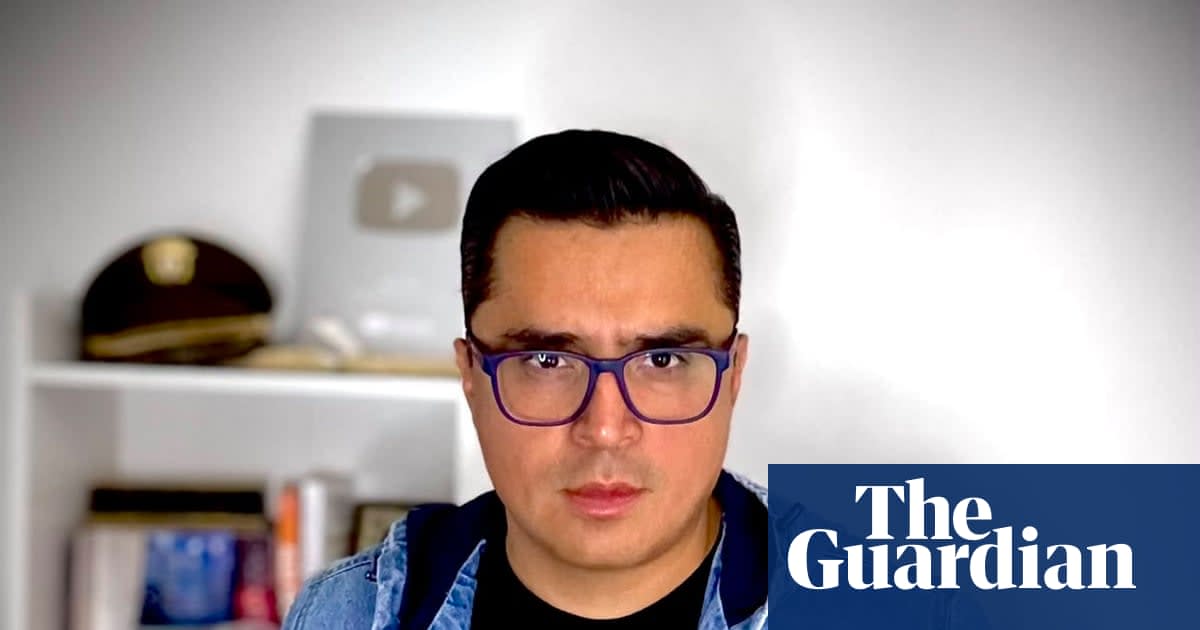
Activist Beto Coral was forced out of the US after protesting a Trump-endorsed Colombian political candidate in Florida. The incident highlights the intersection of international political influence and US immigration enforcement.
The Intersection of Political Activism and Immigration Enforcement
The recent expulsion of Beto Coral, a prominent Colombian activist based in the United States, marks a significant and controversial development in the intersection of international political advocacy and domestic immigration policy. Coral, who sought to influence the voting behavior of the Colombian diaspora in Florida, found himself at the center of a diplomatic and legal storm after his public opposition to Abelardo de la Espriella, a far-right presidential candidate whose campaign received the high-profile endorsement of former US President Donald Trump.
The Catalyst: Political Protest in Miami
In the lead-up to the Colombian presidential election, Coral engaged in direct action outside Miami polling stations. His messaging focused on warning fellow Colombians that the election of de la Espriella—a wealthy lawyer aligned with Trump’s political brand—could result in detrimental immigration consequences, specifically suggesting that the candidate would facilitate the deportation of Colombian nationals. This act of protest, while standard in many democratic contexts, triggered an immediate and severe administrative response from federal authorities.
Administrative Retaliation or Policy Enforcement?
The situation escalated rapidly when US Secretary of State Marco Rubio issued a formal memo to the Department of Homeland Security (DHS). The document alleged that Coral had misused his status in the country by engaging in "political activity" directed against a foreign candidate. This move effectively categorized the activist’s participation in the democratic discourse of his home nation as a violation of his standing in the United States, leading directly to his arrest and subsequent forced departure.
Broader Implications for International Activism
This case raises profound questions regarding the rights of foreign nationals in the US to participate in political discourse, particularly when that discourse impacts the interests of US-aligned political figures. By framing the protest as an illicit political activity, the government’s response suggests a narrowing window for migrant activism. When foreign political candidates gain endorsements from US power brokers, the threshold for what constitutes "interference" appears to shift, potentially chilling the speech of activists who fear that their immigration status could be weaponized against them.
Historical Context and Future Trends
Historically, the US has served as a hub for political exiles and activists working to influence policy in their nations of origin. However, the use of DHS mandates to remove individuals based on their political opposition to specific candidates—especially those supported by the current US administration or its allies—signals a potential shift toward more restrictive oversight. Moving forward, activists residing in the US may face increased scrutiny, as the precedent set by the Coral case suggests that political dissent against favored international allies may be interpreted as a breach of domestic compliance requirements.
Conclusion
The forced departure of Beto Coral serves as a stark reminder of the vulnerability of foreign nationals engaged in political advocacy. By linking individual immigration status to the alignment of foreign political candidates with US interests, the government has established a precedent that could significantly alter how diaspora communities engage with their home countries. As political polarization continues to transcend borders, the ability of activists to operate within the US will likely remain a contentious and heavily scrutinized area of international and domestic policy.