Zelenskyy faces challenge to his wartime rule as former defense chief calls for election
Source Entity
US Top News and Analysis
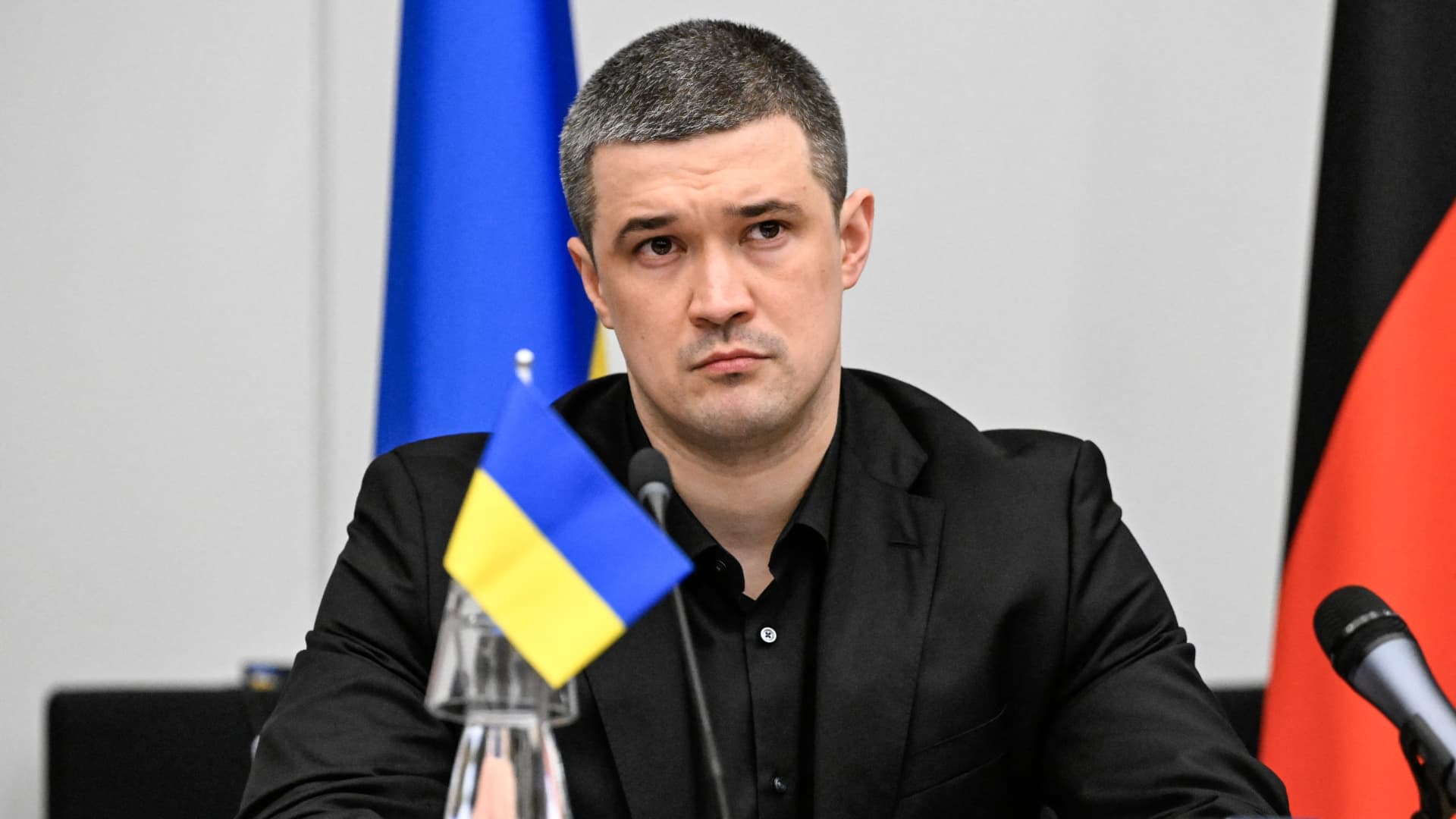
Former Ukrainian Defense Minister Mykhailo Fedorov has called for wartime elections, challenging President Zelenskyy to restore democratic processes despite martial law. This demand represents a significant political shift in Ukraine, raising complex questions about governance during the ongoing Russian invasion.
The Political Landscape of Wartime Ukraine
The recent call by former Defense Minister Mykhailo Fedorov for the resumption of elections in Ukraine marks a pivotal moment in the country's domestic political landscape. Since the full-scale Russian invasion began in February 2022, Ukraine has operated under martial law, a state of emergency that has necessitated the suspension of national polls. Fedorov, who was recently dismissed during a government reshuffle, has positioned himself as a vocal advocate for democratic continuity, arguing that the nation’s core mission of remaining a free European state requires the active participation of its electorate.
The Challenge to Executive Authority
Fedorov’s demand, delivered via a nine-minute video address, serves as the most direct challenge to President Volodymyr Zelenskyy’s administration since the war’s inception. By asserting that "democracy cannot be held hostage by Russia," Fedorov is tapping into a sentiment that seeks to balance the existential necessity of national defense with the preservation of institutional norms. This internal friction highlights a broader debate regarding the limitations of executive power when constitutional processes are indefinitely paused by the exigencies of conflict.
Logistical and Security Hurdles
Implementing elections during an active, high-intensity conflict presents profound obstacles. The Ukrainian government has historically cited the inability to guarantee the safety of voters, the displacement of millions of citizens, and the impossibility of conducting secure polling stations in frontline regions as primary reasons for maintaining the status quo. Furthermore, the risk of Russian interference, including cyberattacks and kinetic strikes on electoral infrastructure, remains a significant deterrent for officials concerned with national security.
The Role of Political Reform
Beyond the immediate call for polls, the context of Fedorov’s dismissal adds a layer of complexity to these developments. As a former minister associated with tech-savvy governance, his shift to a critical posture suggests a potential realignment of political factions within Kyiv. Protesters in central Kyiv have already begun demonstrating in support of sector reforms, indicating that the desire for political change is gaining traction among certain segments of the population who are eager to see a more dynamic and transparent defense sector.
Future Implications for Governance
As Ukraine moves forward, the pressure to reconcile wartime necessity with democratic legitimacy will likely grow. If the government continues to resist calls for elections, it may face increasing scrutiny from both domestic critics and international partners who monitor democratic health. Conversely, attempting to organize a vote under current conditions could expose the state to significant risks. The debate triggered by Fedorov is not merely about a specific election date; it is a fundamental discussion about how a modern democracy survives when its very existence is challenged by external aggression.