Swell waves reach Kerala coast; inundation likely in low-lying areas by August 20
Source Entity
India Latest News: Top National Headlines Today & Breaking News | The Hindu
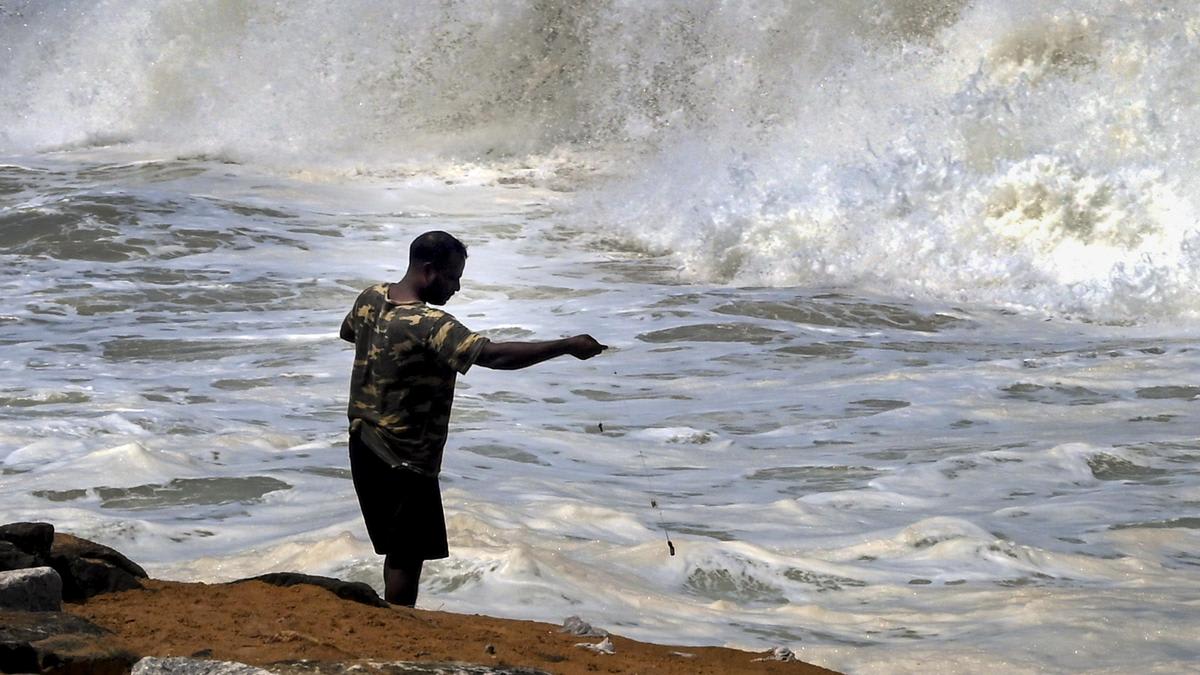
Kerala has initiated emergency protocols and beach bans due to high-period swell waves impacting its coastline. The state has also officially declared tidal flooding a state-specific disaster to provide financial aid to affected coastal communities.
Coastal Crisis: Kerala Responds to High-Energy Swell Surges
The coastal regions of Kerala, south Tamil Nadu, and the Lakshadweep islands are currently facing a significant environmental challenge as high-period swell waves, originating from the southern Indian Ocean, have reached the mainland. The Indian National Centre for Ocean Information Services (INCOIS) has confirmed that these waves are actively interacting with the shoreline, creating conditions that necessitate heightened vigilance. These swells, which are distinct from typical monsoon surges, have prompted authorities to issue urgent warnings regarding wave surges and potential inundation of low-lying coastal areas.
Administrative Interventions and Public Safety
In response to these warnings, local government bodies have acted swiftly to mitigate the risk to human life. In Kozhikode, District Collector M. S. Madhavikutty has enforced a total ban on public access to all seafronts. This directive, effective from midnight on August 19 through August 20, prohibits tourists, local visitors, and vendors from approaching the shoreline. By restricting access to popular coastal hubs like Beypore, the District Disaster Management Authority (DDMA) aims to prevent casualties resulting from the unpredictable nature of 'Kallakkadal'—a phenomenon defined by sudden, high-energy swell surges that can catch individuals off-guard.
Understanding the Phenomenon: Kallakkadal
'Kallakkadal' is a unique maritime occurrence characterized by sea-level rises that happen without the conventional warning signs of a cyclone. These swells are generated by distant weather systems in the southern Indian Ocean, traveling thousands of kilometers before crashing onto the Indian coast. Because these waves can occur even when local weather appears calm, they pose a deceptive danger to coastal residents. The intensity of these surges often peaks during specific lunar phases, such as full and new moons, which exacerbate the temporary rise of the Arabian Sea above its normal threshold.
A Landmark Policy Shift
Recognizing the recurring nature of these threats, the Kerala government has taken the unprecedented step of declaring tidal flooding a 'State-specific disaster.' This policy shift is the first of its kind in India, acknowledging that coastal flooding causes significant loss of life and property. By classifying these events as disasters, the state has enabled the provision of financial assistance to victims through the State Disaster Response Fund (SDRF). This ensures that those whose livelihoods are destroyed by the rising sea can access the same level of bureaucratic support as victims of more traditional natural disasters.
Broader Implications and Future Trends
This policy change reflects a growing awareness of the long-term impact of climate change and sea-level rise on India's western coastline. As the state continues to experience more frequent and severe tidal inundation, the integration of scientific forecasting by agencies like INCOIS with proactive disaster management policies will become essential. The current situation serves as a blueprint for how coastal states must adapt to the increasing volatility of the ocean. Moving forward, the focus will likely remain on infrastructure resilience and the implementation of early warning systems to protect vulnerable populations from the sea's unpredictable nature.
Conclusion
The combination of immediate emergency bans and long-term disaster policy reform highlights Kerala's multifaceted approach to coastal management. As the swell system is expected to persist through August 20, the strict enforcement of safety protocols remains the primary defense for coastal residents. By formalizing support for those affected by tidal flooding, the state is setting a critical precedent for managing the environmental realities of a changing climate.
Multiple Citing Sources
Verification Required?