Agniveer service tenure extended by two years, CDS announces
Source Entity
India Latest News: Top National Headlines Today & Breaking News | The Hindu
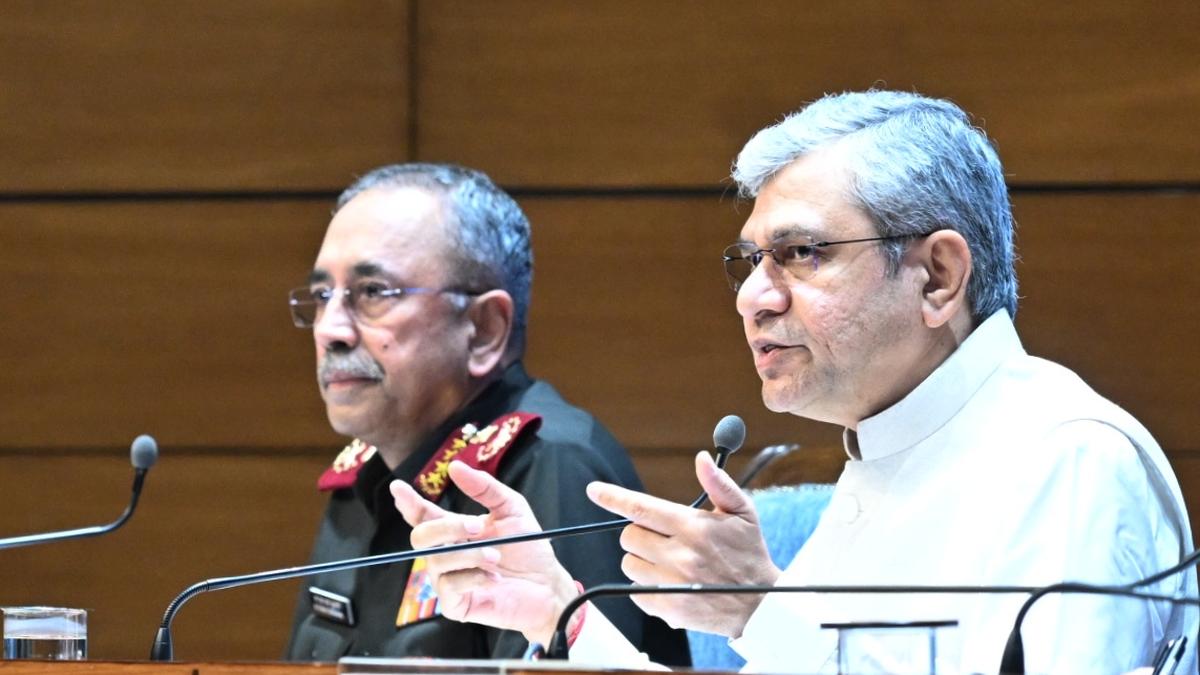
The Union Cabinet has expanded the Agnipath scheme, allowing Agniveers to serve an additional two years beyond their initial four-year term. This revision creates a pathway for all willing personnel to potentially transition into regular military service based on objective selection criteria.
Evolution of the Agnipath Scheme: A Strategic Shift
The Union Cabinet's recent decision, announced on November 4, 2026, marks a significant recalibration of the Agnipath recruitment model. By introducing an additional two-year 'second tour of duty,' the government is addressing structural concerns regarding the transition of personnel out of the armed forces. This policy pivot effectively extends the service tenure for the 75% of Agniveers who were previously slated for discharge after their initial four-year commitment, providing a more robust framework for long-term career planning within the military hierarchy.
Expanding the Pathway to Permanence
Under the original Agnipath framework, only 25% of recruits were absorbed into regular forces upon the completion of their four-year tenure. The new directive fundamentally alters this landscape by offering the remaining 75% of personnel an extension of two years. This transition period is designed to provide these individuals with deeper operational experience and professional development, thereby increasing their readiness and suitability for permanent roles. Upon the conclusion of this six-year total service period, all willing Agniveers will be eligible for enrollment as regular soldiers, provided they meet the newly established objective selection criteria.
Strategic Implications and Operational Readiness
This policy change serves as a bridge between the agile, short-term recruitment goals of the initial Agnipath scheme and the enduring requirement for experienced, career-oriented military personnel. By allowing Agniveers two distinct opportunities to demonstrate their competence for permanent induction, the armed forces can better identify high-performing candidates who may have required more time to reach their full potential. This adjustment mitigates the risk of losing seasoned personnel who have already undergone significant training and field exposure.
Addressing the 'Agnipath Under Fire' Narrative
Since its inception, the Agnipath scheme has been subject to intense public and political scrutiny regarding the long-term prospects of its recruits. The government's decision to provide a clearer, extended pathway to permanent service acts as a direct response to these concerns. By formalizing this 'second tour,' the Ministry of Defence is signaling a commitment to both the agility of the force and the professional security of the individual soldier. This move is expected to improve retention of institutional knowledge while maintaining the youth-centric profile of the Indian military.
Future Trends and Implementation
As the first batch of Agniveers nears the end of their initial four-year service term, the timing of this announcement is critical. With nearly 20,000 personnel eligible for this extension, the military is poised to integrate a larger cohort of experienced soldiers into its permanent ranks over the coming years. Moving forward, the focus will shift to the rigorous application of the 'objective selection criteria' mentioned by Chief of Defence Staff General N.S. Raja Subramani. The success of this revised model will be measured by the military's ability to seamlessly blend these veterans into the broader force structure, ensuring that the transition from a short-term recruit to a career soldier remains meritocratic and efficient.
Conclusion
The expansion of the Agnipath tenure represents a pragmatic evolution of India's defense recruitment strategy. By creating a six-year pathway to permanent service, the government has balanced the need for a leaner, younger fighting force with the necessity of retaining trained, motivated, and experienced personnel. This structural refinement provides much-needed stability for the recruits and ensures that the armed forces can continue to evolve in response to both operational requirements and the socio-economic needs of its personnel.
Verification Required?