Woman’s death in ‘hit-&-run’ turns into murder probe: Ahmedabad Police point to ‘honour killing’
Source Entity
Brendan Dabhi
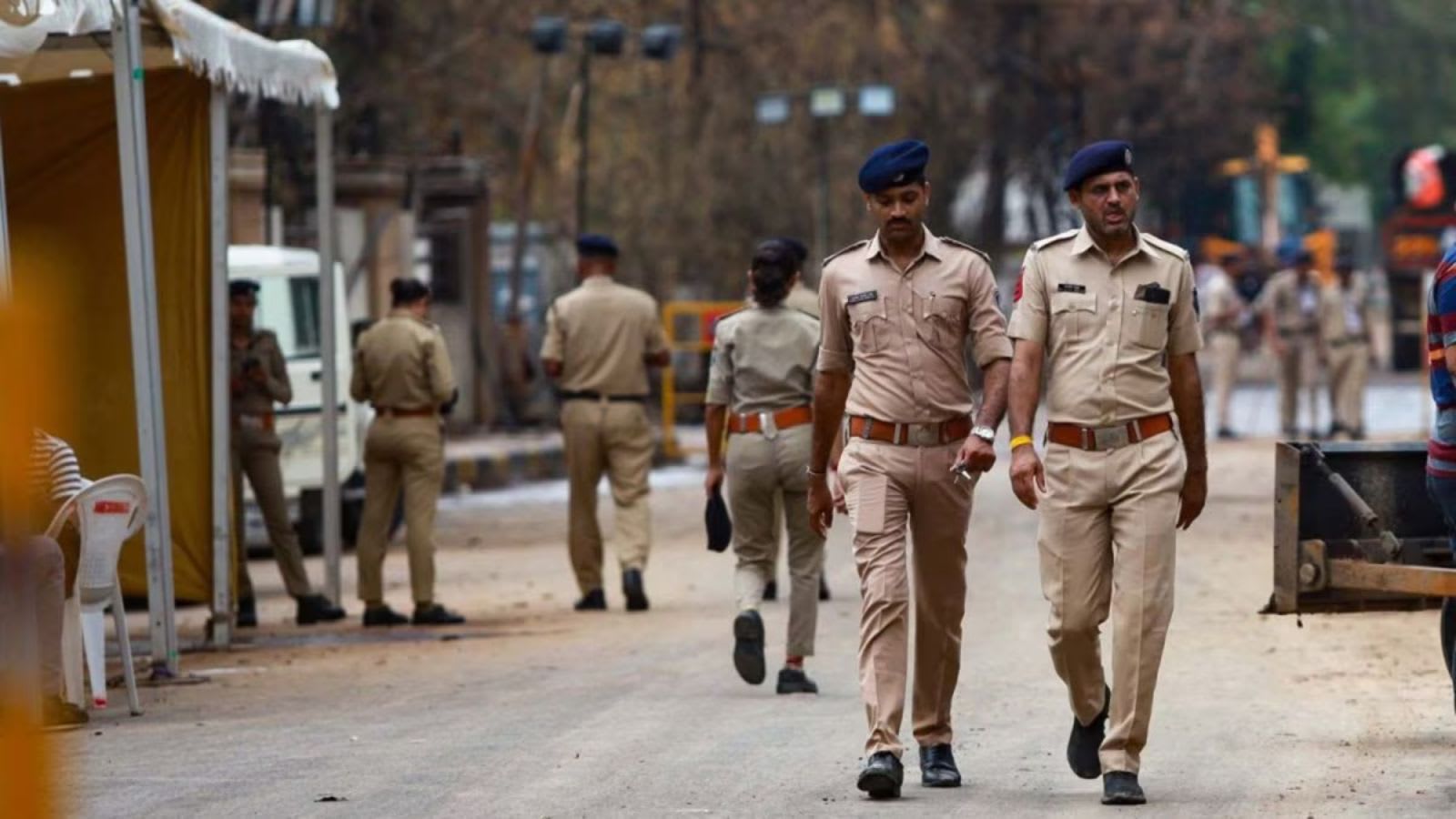
Ahmedabad police have reclassified a fatal road accident as a murder investigation, suspecting an honor killing of a 22-year-old woman. Authorities allege the victim's father and brother orchestrated the crime to preserve family honor.
Ahmedabad Police Reclassify Fatal 'Accident' as Honor Killing Probe
The Shift from Traffic Incident to Criminal Investigation
The investigation into the tragic death of a 22-year-old woman in Ahmedabad has taken a dramatic turn. Initially treated as a routine hit-and-run road accident, the case has been transferred from the M Division Traffic Police to the Sarkhej police station after evidence suggested the incident was a calculated act of violence. This reclassification highlights the complexities of investigative work, where initial reports from family members can often mask deeper, more sinister motives.
Unraveling the Alleged Deception
The case began on August 12, when the victim’s 38-year-old brother reported that he and his sister, Sofia, were involved in a collision while traveling on a two-wheeler. He alleged that an unidentified vehicle struck them from behind and fled the scene, leaving Sofia with grievous head injuries that ultimately led to her hospitalization at GMERS Sola Civil Hospital. However, subsequent findings by the authorities have cast significant doubt on this narrative, leading police to believe the incident was not an accident but a targeted murder.
The Shadow of 'Honour Killing'
Investigators now suspect that the woman’s death was an orchestrated 'honour killing,' allegedly involving both her father and brother. The term 'honour killing' refers to the homicide of a member of a family or social group by other members, usually due to the belief that the victim has brought shame upon the family. This brutal practice remains a significant challenge to law enforcement and human rights advocates in various parts of the world, including parts of India, where patriarchal social structures sometimes clash with individual autonomy and modern legal frameworks.
Broader Implications for Law Enforcement
This case underscores the critical importance of forensic scrutiny in fatal traffic accidents. When family members are the primary witnesses to a fatality, authorities must remain vigilant for inconsistencies. The transition of this case to the jurisdictional police station indicates that the evidence collected—likely through traffic surveillance or contradictory statements—was sufficient to warrant a shift in the legal framework of the probe from a motor vehicle accident to a homicide investigation.
Future Trends and Judicial Oversight
As the investigation proceeds, the focus will shift toward corroborating the motive and proving the alleged conspiracy between the father and brother. The judicial system will be tasked with determining the extent of their premeditation. This case will likely serve as a focal point for discussions on domestic safety and the necessity for more robust investigative protocols when dealing with suspicious deaths that are initially presented as accidental or environmental incidents.
Conclusion
The transformation of a hit-and-run case into a murder inquiry serves as a grim reminder of the persistence of domestic violence and honor-based crimes. While the legal process is currently underway, the Ahmedabad police's diligence in questioning the initial narrative is a vital step toward ensuring justice for the deceased.